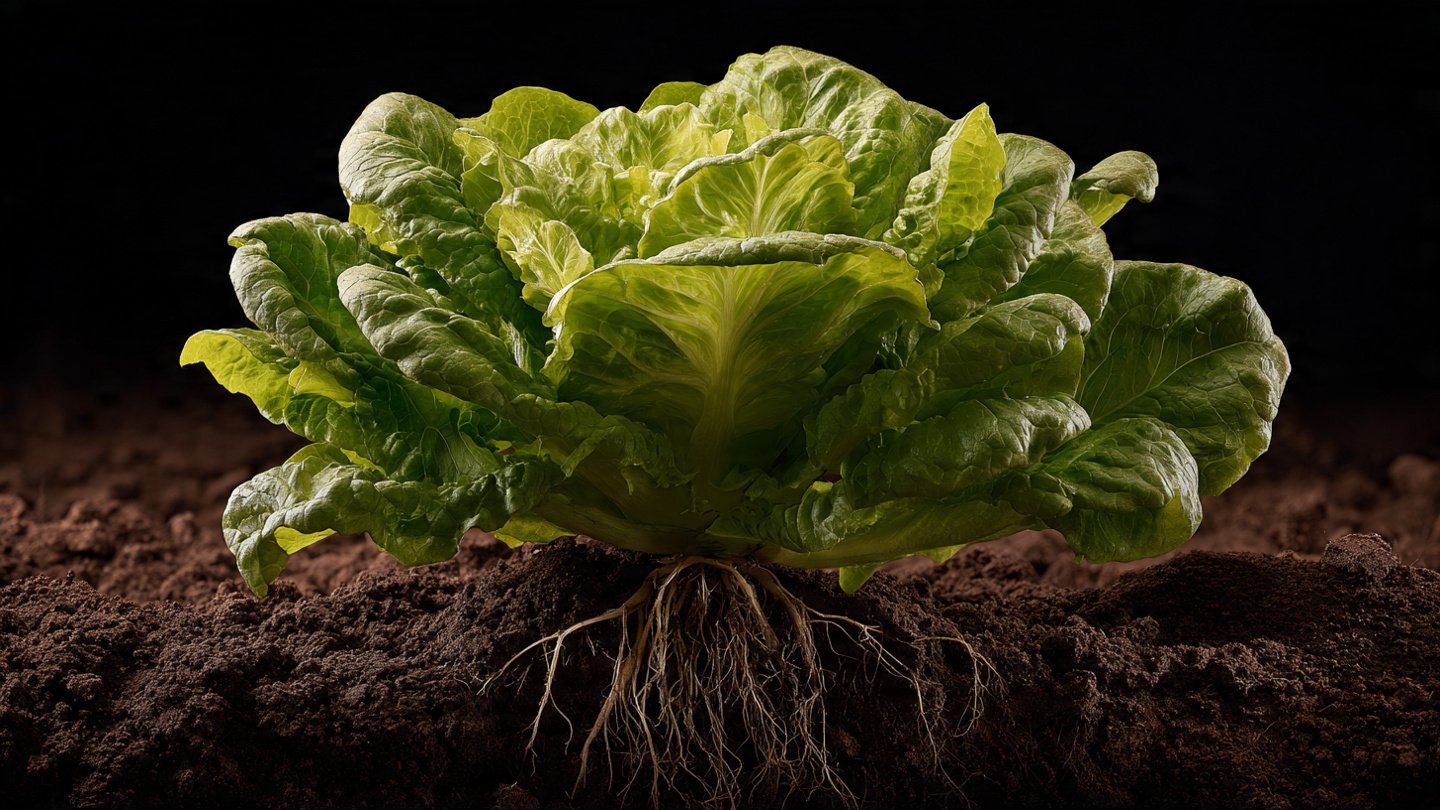
Growing your own food is a rewarding endeavor, and lettuce is one of the simplest crops to cultivate. Traditionally, growing lettuce involves soil, water, sunlight, and a lot of patience. However, with technological advancements and innovative gardening techniques, it’s now possible to grow lettuce without soil. In this article, we will explore how you can grow lettuce hydroponically, the benefits of this method, and share an easy hack that makes it accessible for everyone.
Understanding Hydroponics
Hydroponics is a method of growing plants without soil, instead using a nutrient-rich water solution to deliver essential minerals directly to plant roots. This technique is gaining popularity among gardeners and urban dwellers alike, as it allows for faster growth, higher yields, and the ability to grow in limited space.
Key Benefits of Hydroponics
- Water Efficiency: Hydroponic systems often use less water than traditional soil gardening since the water is recirculated, reducing waste.
- Space Saving: Without the need for a large outdoor garden, hydroponic systems can be set up indoors or on small balconies, making gardening accessible in urban environments.
- Reduced Pesticide Requirement: Because hydroponic systems can be managed in a more controlled environment, there is a reduced need for pesticides and herbicides, resulting in cleaner produce.
- Faster Growth: Plants grown hydroponically often have faster growth rates compared to those grown in soil. This is due to direct access to nutrients and optimal growing conditions.
- Year-Round Gardening: Hydroponics enables you to grow lettuce and other plants year-round, unhindered by seasonal changes.
The Easy Hack: Growing Lettuce Without Soil at Home
Now that we understand the hydroponic method, let’s dive into a simple approach to growing lettuce without soil. This hack can be done with minimal equipment and is ideal for beginners looking to experiment with hydroponics.
Materials Needed
- Containers: Any container that holds water can work—plastic bottles, mason jars, or small bins will suffice.
- Net Pots: These are used to hold the plants and allow for proper drainage. You can buy them or make your own from plastic containers with holes drilled in them.
- Growing Medium: While traditional soil isn’t used, a growing medium is necessary to support the plants. Rock wool, clay pellets, or even hydroponic sponges can work.
- Hydroponic Nutrients: A nutrient solution formulated for hydroponics is crucial for plant growth. These can be found at gardening stores or online.
- Water: Use filtered or distilled water to prevent any chemicals from affecting plant growth.
- Light Source: If you’re growing indoors, you’ll need a grow light. LED grow lights are energy-efficient and effective.
Step-by-Step Instructions
Step 1: Set Up Your Containers
Choose containers that provide enough depth for your growing medium and water. Clean them thoroughly to prevent any contamination.
Step 2: Prepare Your Growing medium
If using rock wool, moisten it in water before placing it in your net pots. For clay pellets or sponges, ensure they are clean and ready to support your seedlings.
Latest Posts
- OnePlus 15T Smartphone Unveiled – Featuring 200MP Camera, Snapdragon 8 Elite Gen 5 and Massive Battery
- Lava Yuva 5G Unveiled – 120Hz Display and Strong Performance for Everyday Use
- Nokia 1100 Launched – Premium Keypad Phone Returns at Budget Price ₹2,500
- Motorola G96 5G Unveiled – Featuring Stylish Design, Strong Performance and Advanced Camera Tech
- Vivo Y21d Unveiled – Massive 6000mAh Battery for All-Day Everyday Use
- Nothing Phone 4 Ultra 5G Launched – 16GB RAM, AI-Powered 50MP Camera and Flagship Performance
- OnePlus 5G Smartphone Launched – 300MP AI Camera, 7000mAh Battery & 100W Fast Charging
- Nothing Phone 3a Pro – High processor smartphone for gaming lovers – battery is 5000mAH
- Realme 15 Pro – 3 days battery backup smartphone with 50MP front camera under ₹28,000
- Vivo X200 FE – 12GB RAM + 256GB Storage smartphone with HD quality camera
Step 3: Plant Seeds
Plant your lettuce seeds in the growing medium according to the instructions on the seed packet. Cover them lightly if needed, and ensure they are kept moist.
Step 4: Mix Nutrient Solution
Follow the instructions on your hydroponic nutrient package to mix the solution. Ensure it’s well balanced to provide all the necessary nutrients your lettuce will need.
Step 5: Watering
Fill your container with the nutrient solution, ensuring that the roots of the plants receive adequate moisture without being submerged completely. The net pots should sit above the water level, allowing the roots to draw moisture as needed.
Step 6: Provide Adequate Lighting
If you’re growing indoors, set up grow lights to provide at least 12-16 hours of light per day. Position the lights about 12-24 inches above the plants to avoid burning while ensuring adequate light penetration.
Step 7: Monitor Growth
Regularly check the water level in your container, topping it off as necessary to maintain the correct hydration level. Monitor growth and adjust light exposure as needed.
Harvesting Your Lettuce
Lettuce typically grows quickly, allowing for a harvest in about four to six weeks. You can either harvest the leaves as needed or cut the whole plant at the base, depending on the variety you are growing. Remember to clean your tools and containers after harvesting to maintain hygiene.
Troubleshooting Tips
Growing lettuce without soil can come with its own set of challenges. Here are some common issues you might encounter and how to solve them:
- Wilting or Yellowing Leaves: This could indicate overwatering or underwatering. Check your water levels and nutrient balance to ensure plants are getting what they need.
- Pests: Keep an eye out for pests that can harm your hydroponic lettuce. Utilize organic pest management methods to keep your plants healthy.
- Nutrient Deficiency: If your plants are growing slowly or displaying unusual coloring, it could indicate a nutrient deficiency. Make adjustments to your nutrient solution as required.
- Root Rot: To prevent root rot, ensure good aeration and water drainage around your plants. Using a pump and air stones can also promote oxygenation in the water.
Advantages of Growing Lettuce without Soil
- Healthier Plants: By managing the nutrient solution and growing environment, you can create optimal conditions for robust plant growth.
- No Weeding Required: Without soil, you eliminate the need to weed your garden, significantly reducing the time spent on maintenance.
- Lower Risk of Soil-borne Diseases: Growing lettuce hydroponically minimizes the risk of diseases caused by pathogens in the soil.
- Sustainable Practice: With the ability to produce food in confined spaces, hydroponics supports sustainability and can reduce the carbon footprint associated with traditional agriculture.
Conclusion
In conclusion, growing lettuce without soil is not only possible—it’s also easy and efficient! With a simple understanding of hydroponics and a few materials, anyone can grow fresh, nutritious lettuce right at home. This method is perfect for urban dwellers, gardening enthusiasts, or anyone looking to enjoy home-grown produce year-round. Whether you’re trying this for fun or as a sustainable lifestyle choice, hydroponics offers an exciting way to enjoy the fruits (or rather, vegetables) of your labor. So gather your materials, follow the steps outlined, and witness the joy of fresh lettuce grown right before your eyes!
By adopting this easy hack, you’ll not only enhance your green thumb but also take a significant step toward sustainable living. Happy gardening!