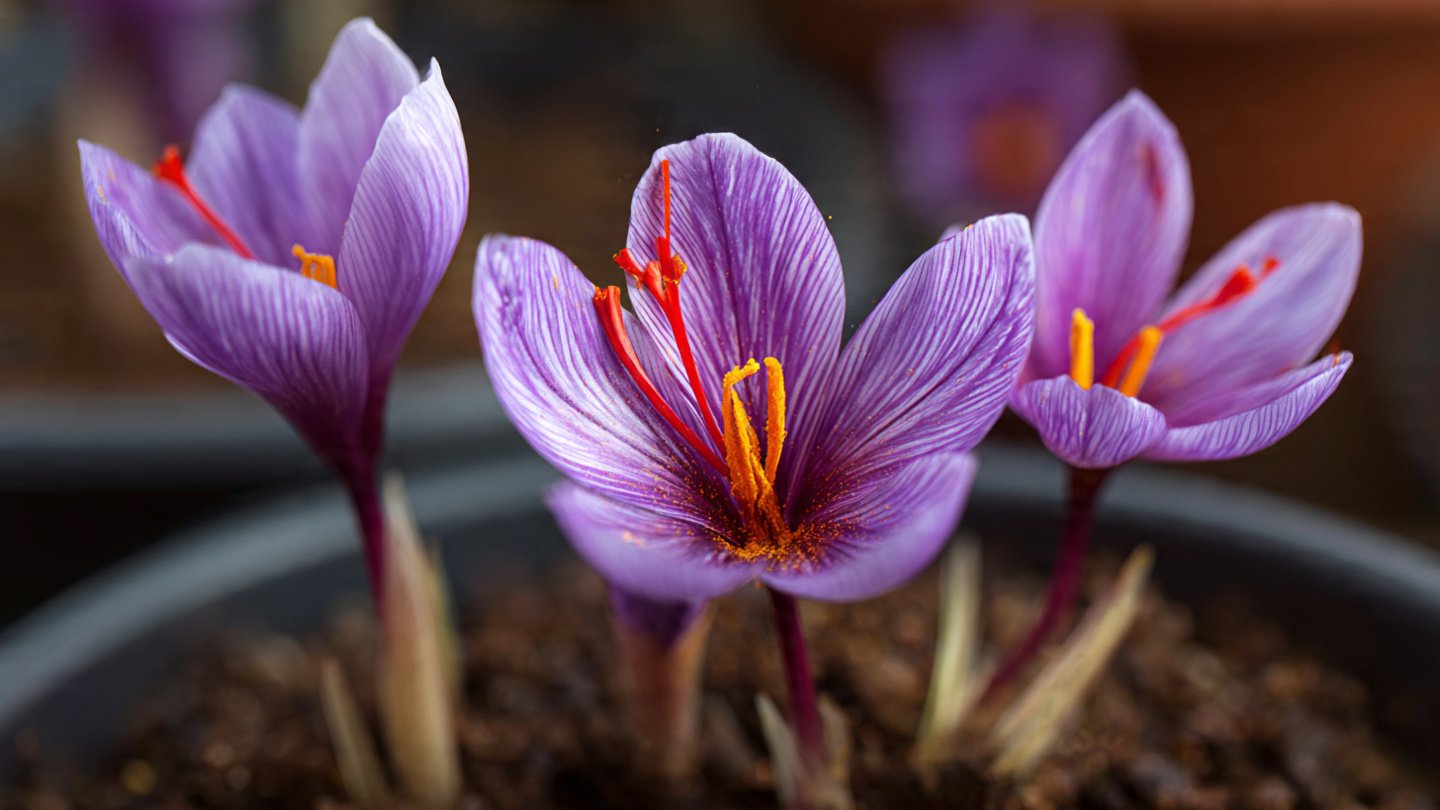
Saffron is often referred to as the most expensive spice in the world, mainly due to the labor-intensive process involved in its harvesting. For culinary enthusiasts and gardeners alike, the idea of growing saffron at home is both enticing and achievable, provided one understands the requirements and processes involved. In this article, we’ll explore whether you can really grow your own saffron using Crocus bulbs.
Understanding Saffron and Crocus Sativus
Saffron comes from the flower of Crocus sativus, commonly known as the saffron crocus. This perennial plant is native to the Mediterranean region and thrives in climates with hot, dry summers and cool winters. The bright purple flowers bloom in the fall, producing vibrant red stigmas that are the source of saffron.
This unique and precious spice is extracted from the flower’s stigma, making the growing process more special than with other culinary herbs. Each flower only yields a few strands of saffron, and it takes thousands of flowers to produce a single pound of the spice.
Growing Conditions for Crocus Bulbs
While growing your own saffron might sound challenging, it is feasible in the right environment. Here are some necessary conditions to consider:
- Climate: Saffron thrives in regions with hot, dry summers and cool winters. If you live in a climate that meets these criteria, you can successfully grow saffron.
- Soil: Well-draining soil is essential for saffron cultivation. Sandy or loamy soil with good drainage will help prevent bulb rot. You can amend heavy clay soil with sand or organic matter for better drainage.
- Sunlight: The saffron crocus requires full sun to thrive. It is best to plant them in a location that receives at least six hours of sunlight daily.
- Watering: Saffron requires minimal watering, primarily during the growing season. Be cautious not to overwater, as this can lead to bulb rot.
Planting Saffron Crocus Bulbs
The process of planting saffron crocus bulbs is simple and can be done in a few straightforward steps:
Latest Posts
- OnePlus 15T Smartphone Unveiled – Featuring 200MP Camera, Snapdragon 8 Elite Gen 5 and Massive Battery
- Lava Yuva 5G Unveiled – 120Hz Display and Strong Performance for Everyday Use
- Nokia 1100 Launched – Premium Keypad Phone Returns at Budget Price ₹2,500
- Motorola G96 5G Unveiled – Featuring Stylish Design, Strong Performance and Advanced Camera Tech
- Vivo Y21d Unveiled – Massive 6000mAh Battery for All-Day Everyday Use
- Nothing Phone 4 Ultra 5G Launched – 16GB RAM, AI-Powered 50MP Camera and Flagship Performance
- OnePlus 5G Smartphone Launched – 300MP AI Camera, 7000mAh Battery & 100W Fast Charging
- Nothing Phone 3a Pro – High processor smartphone for gaming lovers – battery is 5000mAH
- Realme 15 Pro – 3 days battery backup smartphone with 50MP front camera under ₹28,000
- Vivo X200 FE – 12GB RAM + 256GB Storage smartphone with HD quality camera
- Choosing the Right Bulbs: Purchase high-quality Crocus sativus bulbs from a reputable supplier. Look for bulbs that are firm and free from any signs of mold or decay.
- Timing: Plant your bulbs in late summer to early fall. In most regions, this is between August and September.
- Preparing the Soil: Before planting, prepare your soil by loosening it to a depth of about 12 inches. Mix in compost to provide the necessary nutrients for the bulbs.
- Planting Depth: Plant the bulbs 4-6 inches deep and spaced about 6 inches apart to allow enough room for growth.
Maintaining Your Saffron Garden
Once your bulbs are planted, maintaining your saffron garden is crucial for a successful harvest. Here are some tips for proper maintenance:
- Watering: Water your bulbs thoroughly after planting. After that, rely mostly on natural rainfall. You may need to water occasionally if you experience a dry spell during the growing season.
- Weeding: Keep the area around your saffron crocus free from weeds. Weeds can compete for nutrients and water, stunting the growth of your bulbs.
- Mulching: Consider applying a layer of mulch to retain soil moisture and suppress weeds, especially during the dry summer months.
- Fertilizing: Saffron does not require heavy fertilization. A light application of a balanced slow-release fertilizer in the spring will suffice.
Harvesting Saffron
The harvesting process for saffron is labor-intensive, but it is rewarding. Here’s how to do it:
- Timing: Harvest flowers in the morning just after they bloom, usually in late October to early November.
- Collecting Stigmas: Carefully pluck the red stigmas from each flower. Each flower will yield three red stigmas, which are the saffron threads.
- Drying: Saffron threads should be dried immediately after collection. Spread them out on a clean, dry surface and leave them in a well-ventilated area to dry completely. Properly dried saffron can last for several years when stored in a cool, dark place.
The Benefits of Growing Your Own Saffron
Aside from the obvious aspect of enjoying fresh saffron in your dishes, there are several benefits to growing your own:
- Cost Savings: Saffron is notoriously expensive. Growing your own can significantly reduce your costs.
- Quality Control: You’ll have complete control over how your saffron is grown, ensuring it’s organic and pesticide-free.
- Gardening Experience: Cultivating saffron adds a unique aspect to your gardening endeavors, providing an opportunity to learn and gain satisfaction from growing something special.
Potential Challenges in Growing Saffron
While growing your own saffron is feasible, it does come with challenges that gardeners should be aware of:
- Bulb Rot: Overwatering or poorly drained soil can lead to bulb rot. Always ensure good drainage.
- Pests and Diseases: Saffron crocus can be susceptible to pests like aphids and diseases. Regular monitoring and early intervention are key.
- Climate Limitations: If you live in a climate with heavy rainfall or extreme cold, saffron cultivation may prove difficult.
Conclusion
Growing your own saffron using Crocus bulbs is not only possible but can also be deeply rewarding for those willing to invest time and effort into the process. With the right conditions, proper maintenance, and a bit of patience, you can cultivate this luxurious spice right in your garden. Whether you are a culinary enthusiast or an avid gardener, the joy of harvesting your own saffron is an experience like no other. So, why not give it a try?
FAQs
1. How long does it take for saffron bulbs to produce flowers?
After planting, saffron bulbs typically take about 6-10 weeks to bloom, depending on the climate and growing conditions.
2. Can I grow saffron indoors?
Growing saffron indoors is challenging due to the need for ample sunlight and specific temperature conditions; however, it is possible with the right setup, such as using grow lights.
3. How much saffron can I expect from a few bulbs?
A few bulbs can yield only a small amount of saffron – about 10-12 strands per bulb. You may need to plant several bulbs to obtain a substantial harvest.
4. Is saffron easy to grow for beginners?
While saffron can be grown by beginners, it does require some specific conditions (like well-drained soil and full sun) that may need careful management.
5. What is the best fertilizer for saffron crocus?
A balanced, all-purpose fertilizer works well, but avoid heavy applications. A light feeding in the spring should be sufficient.