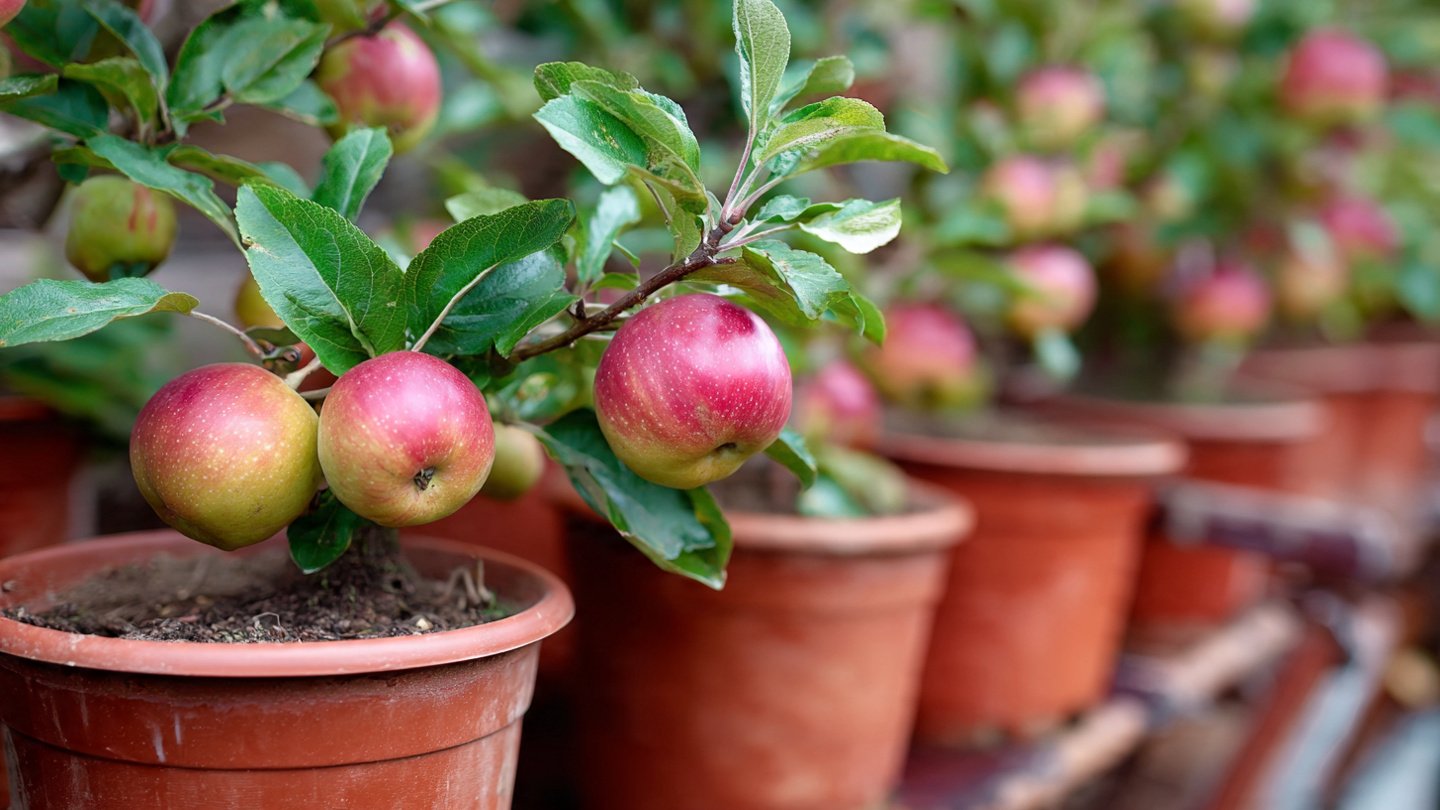
Dwarf apple trees are becoming increasingly popular among home gardeners, especially in urban environments where space is limited. These compact trees not only bring the joy of growing fruit to your backyard or patio but also allow for easier maintenance and harvesting. In this comprehensive guide, we’ll explore everything you need to know about growing dwarf apple trees in containers, including planting, care, and common challenges you may face.
Understanding Dwarf Apple Trees
What is a Dwarf Apple Tree?
Latest Posts
- OnePlus 15T Smartphone Unveiled – Featuring 200MP Camera, Snapdragon 8 Elite Gen 5 and Massive Battery
- Lava Yuva 5G Unveiled – 120Hz Display and Strong Performance for Everyday Use
- Nokia 1100 Launched – Premium Keypad Phone Returns at Budget Price ₹2,500
- Motorola G96 5G Unveiled – Featuring Stylish Design, Strong Performance and Advanced Camera Tech
- Vivo Y21d Unveiled – Massive 6000mAh Battery for All-Day Everyday Use
- Nothing Phone 4 Ultra 5G Launched – 16GB RAM, AI-Powered 50MP Camera and Flagship Performance
- OnePlus 5G Smartphone Launched – 300MP AI Camera, 7000mAh Battery & 100W Fast Charging
- Nothing Phone 3a Pro – High processor smartphone for gaming lovers – battery is 5000mAH
- Realme 15 Pro – 3 days battery backup smartphone with 50MP front camera under ₹28,000
- Vivo X200 FE – 12GB RAM + 256GB Storage smartphone with HD quality camera
Dwarf apple trees are specially bred to remain smaller than their standard counterparts, typically growing between 3 to 8 feet tall, depending on the cultivar. They are grafted onto rootstocks that limit their growth and make them suitable for container planting. The most common rootstocks for dwarf apple trees include M9, M27, and G11.
Benefits of Growing Dwarf Apple Trees in Containers
- Space-Saving: Ideal for small gardens, balconies, or patios.
- Mobility: Containers allow you to move trees to optimize sunlight and protection from harsh weather.
- Soil Control: You can use specialized soil mixes tailored to the needs of dwarf apple trees.
- Pest Management: Containers can help you better manage pests and diseases.
- Easier Harvesting: Lower height makes fruit collection less strenuous.
Choosing the Right Dwarf Apple Tree
Varieties to Consider
When selecting a dwarf apple tree, consider your climate, taste preferences, and intended use. Some popular dwarf apple varieties include:
- ‘Gala’: Known for its sweet flavor, good for fresh eating.
- ‘Honeycrisp’: Famous for its crisp texture and balanced flavor, great for snacking.
- ‘Fuji’: Sweet and juicy, perfect for fresh eating and baking.
- ‘Granny Smith’: Tart, ideal for cooking and baking.
Pollination Requirements
Most apple trees require cross-pollination to produce fruit, so you’ll need to consider planting more than one variety or having a compatible tree nearby. Some self-pollinating varieties (e.g., ‘Gala’) can produce fruit without another tree.
Selecting Containers
Container Size
When selecting a container for your dwarf apple tree:
- Choose a pot that is at least 18 inches in diameter and 16 inches deep for optimal root growth.
- Ensure the container has drainage holes to prevent waterlogging.
Material Considerations
Choose containers made from materials that allow for good airflow and drainage:
- Plastic: Lightweight and inexpensive, but can retain heat.
- Clay: Porous and attractive, though heavier and may dry out quicker.
- Wood: Provides insulation but ensure it’s treated to avoid rot.
Planting Your Dwarf Apple Tree
Timing
The best time to plant dwarf apple trees is in early spring or late fall when the weather is mild and the tree is dormant.
Soil Preparation
Use a well-draining potting mix rich in organic material. You can create your own mix using:
- Potting soil
- Peat moss or coconut coir
- Perlite or vermiculite for drainage
- A balanced, slow-release fertilizer
Planting Steps
- Fill the Container: Layer your soil mix, leaving a gap at the top for watering.
- Position the Tree: Place the root ball in the container, ensuring that the graft union (swelling on the trunk) is slightly above soil level.
- Backfill: Fill around the roots with soil, patting lightly to remove air pockets.
- Water Thoroughly: Water the tree well to help settle the soil.
Caring for Your Dwarf Apple Tree
Watering
Dwarf apple trees in containers require regular watering, as pots can dry out quickly. Water when the top inch of soil feels dry. During hot spells, you may need to water daily.
Fertilization
- Spring Feeding: Apply a balanced, slow-release fertilizer in early spring as the tree starts to grow.
- Late Summer: A second feeding can help support fruit development if needed.
Pruning
Regular pruning helps maintain the tree’s shape, promotes better air circulation, and encourages fruit production:
- Timing: Prune in late winter or early spring before new growth begins.
- Technique: Remove any dead or crossing branches and shorten the tips to encourage branching.
Sunlight Requirements
Aim to provide full sun (6-8 hours per day) to promote healthy growth and fruit production. If your container does not get enough sunlight, you may need to move it to a sunnier location.
Pest and Disease Management
Regularly inspect your dwarf apple tree for signs of pests, such as aphids, spider mites, or apple maggots. Employ integrated pest management (IPM) techniques:
- Natural Predators: Encourage beneficial insects like ladybugs.
- Insecticidal Soap: Use as a treatment for heavy infestations.
Common diseases include powdery mildew and apple scab. Ensure good airflow, avoid overhead watering, and crop rotation in your garden when applicable.
Harvesting Your Apples
Timing
Dwarf apple trees generally require 2 to 4 years to bear fruit. Harvest times vary by variety but generally occur from late summer to early fall.
Identifying Ripeness
- Color: Look for a bright and consistent color.
- Ease of Pick: The fruit should come off with a gentle twist.
- Taste Test: Sample a fruit to check for sweetness and flavor.
Best Practices for Harvesting
Use scissors or pruning shears to avoid damaging the tree. Handle the apples gently to prevent bruising.
Common Challenges
Container Size Limitations
Over time, your dwarf apple tree may outgrow its container. If you notice roots growing out of the drainage holes, it’s time to repot into a larger container.
Stress from Overwatering or Underwatering
Pay attention to watering habits. Wilting leaves can indicate drought stress, while yellowing leaves may suggest overwatering.
Pests and Diseases
Keep a close eye on your tree and act promptly if you notice any signs of pests or disease.
FAQs
1. How often should I water my dwarf apple tree in a container?
Water your container-grown dwarf apple tree when the top inch of soil feels dry. In hot weather, you may need to water daily.
2. Do I need to prune my dwarf apple tree?
Yes, regular pruning (in late winter) helps maintain shape, encourages fruit production, and improves air circulation.
3. Can I grow a dwarf apple tree indoors?
While they can survive indoors, dwarf apple trees thrive in full sunlight. If you choose to keep yours indoors, ensure it receives plenty of light, ideally supplemented with grow lights.
4. How can I tell if my apples are ripe?
Apples are ready for harvest when they are well-colored, come off the tree easily with a gentle twist, and taste sweet. Different varieties will have varying ripeness indicators.
5. What pests commonly affect dwarf apple trees?
Common pests include aphids, spider mites, and apple maggots. Regular inspections and good cultural practices can help manage these pests.
6. Is it necessary to have more than one dwarf apple tree for pollination?
Not all varieties need a pollinator, but many do benefit from having another apple tree nearby to enhance fruit set. Consult the specific needs for the variety you choose.
Conclusion
Growing dwarf apple trees in containers is a rewarding endeavor that provides delicious fruits and beautiful blooms, even in small spaces. With the right selection, care, and attention, you can enjoy homegrown apples year after year. Whether you’re a beginner or an experienced gardener, dwarf apple trees are a fantastic addition to any garden. Happy gardening!