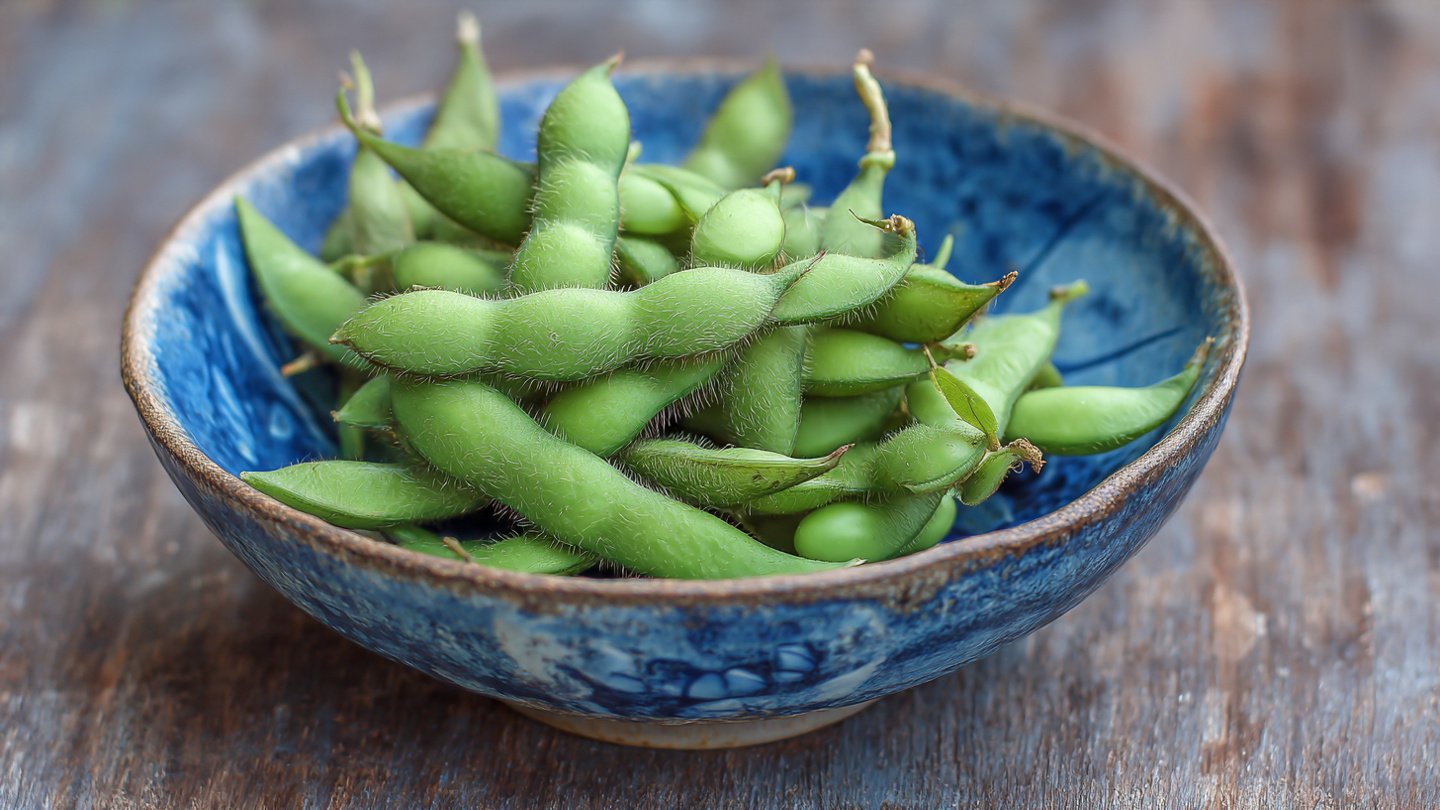
Edamame, the delicious green soybeans that have become a popular snack and a staple in Asian cuisine, offer an exciting opportunity for home gardeners. Growing your own soybeans not only allows you to enjoy a fresh supply of this nutritious snack, but it can also be a rewarding gardening experience. This article provides detailed insights into cultivating soybeans for edamame, from selecting the right seeds to harvesting your crop.
Latest Posts
- OnePlus 15T Smartphone Unveiled – Featuring 200MP Camera, Snapdragon 8 Elite Gen 5 and Massive Battery
- Lava Yuva 5G Unveiled – 120Hz Display and Strong Performance for Everyday Use
- Nokia 1100 Launched – Premium Keypad Phone Returns at Budget Price ₹2,500
- Motorola G96 5G Unveiled – Featuring Stylish Design, Strong Performance and Advanced Camera Tech
- Vivo Y21d Unveiled – Massive 6000mAh Battery for All-Day Everyday Use
- Nothing Phone 4 Ultra 5G Launched – 16GB RAM, AI-Powered 50MP Camera and Flagship Performance
- OnePlus 5G Smartphone Launched – 300MP AI Camera, 7000mAh Battery & 100W Fast Charging
- Nothing Phone 3a Pro – High processor smartphone for gaming lovers – battery is 5000mAH
- Realme 15 Pro – 3 days battery backup smartphone with 50MP front camera under ₹28,000
- Vivo X200 FE – 12GB RAM + 256GB Storage smartphone with HD quality camera
Why Grow Soybeans for Edamame?
There are several reasons to grow your own soybeans for edamame:
- Freshness: Homegrown soybeans can be harvested at their peak maturity, ensuring maximum flavor and nutrition.
- Health Benefits: Soybeans are high in protein, fiber, and various vitamins and minerals, making them a healthy addition to your diet.
- Cost-Effective: Growing your own can be more economical than purchasing pre-packaged edamame, especially if you have a large harvest.
- Fun and Rewarding: Gardening is a therapeutic practice that provides satisfaction as you nurture plants to fruition.
Choosing the Right Soybean Variety
When selecting soybeans, it’s important to choose varieties that are well-suited for edamame. Here are a few popular options:
- Midori Giant: A high-yielding variety that produces large, flavorful pods.
- Suzuki: Known for its sweet flavor and tender texture, ideal for snacking.
- Hokkaido: This variety is celebrated for its rich taste and firm texture.
Make sure to choose seeds that are specifically labeled for edamame, as they are different from traditional soybean varieties cultivated for oil or animal feed.
Preparing Your Garden
Before planting, it’s essential to prepare your garden for successful soy harvest:
- Location: Choose a sunny spot in your garden that receives at least 6-8 hours of sunlight each day.
- Soil Quality: Soybeans prefer well-drained, loamy soil with a pH between 6.0 and 7.0. Conduct a soil test to determine if amendments are needed.
- Fertilization: Incorporate compost or a balanced fertilizer into the soil before planting to provide essential nutrients.
Planting Soybeans
Once your garden is prepared, it’s time to plant your soybeans:
- Planting Time: Soybeans thrive in warm weather. Plant seeds after the last frost when soil temperatures reach around 60°F (15°C).
- Spacing: Sow seeds 1 inch deep and space them 4 inches apart in rows that are 24-30 inches apart.
- Watering: After planting, water the seeds thoroughly to promote sprouting, but avoid overwatering as soybeans do not like to be waterlogged.
Maintaining Your Soybean Plants
Proper maintenance is crucial for a fruitful harvest:
- Weeding: Regularly check for weeds that can compete for nutrients and water. Hand-pulling is often effective.
- Watering: Ensure your plants receive about 1-2 inches of water per week, especially during dry spells.
- Pests and Diseases: Keep an eye out for common pests like aphids and leafhoppers. Natural pest control methods, such as introducing beneficial insects, can be effective.
Harvesting Edamame
Timing is critical when harvesting soybeans for edamame. Here’s how to know when to pick:
- Pod Appearance: Harvest when the pods are fully developed and a vibrant green color.
- Timing: Generally, soybeans are ready to harvest about 2-3 months after planting.
- Picking: Use scissors or pruning shears to carefully cut the pods from the plant to avoid damaging it.
Preparing Edamame for Eating
Once you’ve harvested your soybeans, you can enjoy them in various ways:
- Boiling: Bring a pot of salted water to a boil. Add the pods and cook for about 5 minutes until tender.
- Steaming: Steam the pods for the same amount of time, which can help preserve more nutrients.
- Seasoning: Serve with a sprinkle of sea salt and enjoy them warm or cold.
Conclusion
Growing your own soybeans for homemade edamame can be a fulfilling and enjoyable experience. With some preparation and care, you can ensure a bountiful harvest of this nutritious snack. Whether you’re a seasoned gardener or a beginner, cultivating soybeans allows you to take part in the entire process of growing food, from seed to table. So why not try your hand at growing edamame in your own backyard?
FAQs
1. How much space do I need to grow soybeans?
You can grow soybeans in a small garden bed or even in pots. Just ensure that each plant has enough space (about 4 inches apart) and that your rows are spaced 24-30 inches apart for optimal growth.
2. Can soybeans be grown in pots?
Yes, soybeans can be grown in pots, but choose a large pot (at least 5 gallons) and ensure it has good drainage. This allows ample space for the roots to grow.
3. Do soybeans need special fertilizers?
Soybeans typically don’t require heavy fertilization due to their ability to fix nitrogen from the air. However, adding compost or a balanced fertilizer can enhance growth, especially if your soil is lacking nutrients.
4. How can I prevent pests from attacking my soybean plants?
Implementing natural pest control methods, such as introducing beneficial insects like ladybugs, using insecticidal soap, or planting companion plants can help deter pests without harsh chemicals.
5. How long do soybeans take to mature?
After planting, soybeans typically take about 2-3 months to reach maturity and be ready for harvest as edamame.