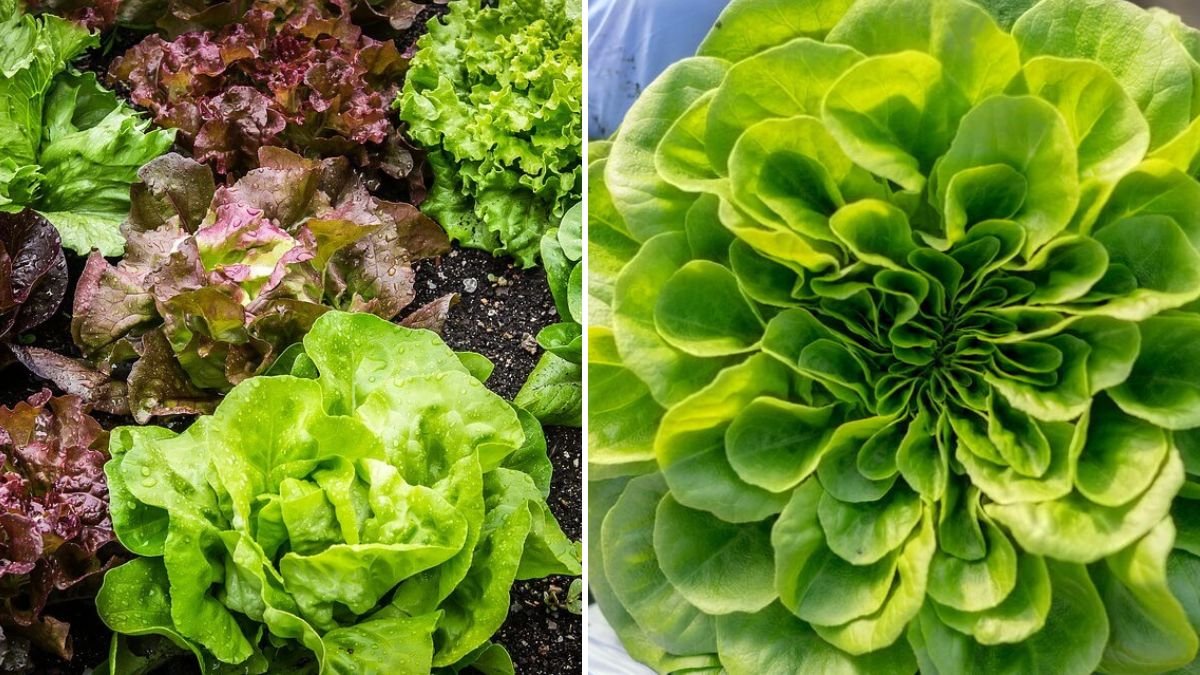
Growing crisp, fresh lettuce in your home garden can be a rewarding experience, offering a fresh supply of greens right at your fingertips. Whether you’re an experienced gardener or just starting, understanding the nuances of lettuce cultivation can enhance your gardening endeavors. In this comprehensive guide, we will explore the essentials of growing lettuce, from choosing the right varieties to optimal planting techniques and care.
1. Understanding Lettuce Varieties
Lettuce belongs to the Asteraceae family and is classified into several main types:
Latest Posts
- OnePlus 15T Smartphone Unveiled – Featuring 200MP Camera, Snapdragon 8 Elite Gen 5 and Massive Battery
- Lava Yuva 5G Unveiled – 120Hz Display and Strong Performance for Everyday Use
- Nokia 1100 Launched – Premium Keypad Phone Returns at Budget Price ₹2,500
- Motorola G96 5G Unveiled – Featuring Stylish Design, Strong Performance and Advanced Camera Tech
- Vivo Y21d Unveiled – Massive 6000mAh Battery for All-Day Everyday Use
- Nothing Phone 4 Ultra 5G Launched – 16GB RAM, AI-Powered 50MP Camera and Flagship Performance
- OnePlus 5G Smartphone Launched – 300MP AI Camera, 7000mAh Battery & 100W Fast Charging
- Nothing Phone 3a Pro – High processor smartphone for gaming lovers – battery is 5000mAH
- Realme 15 Pro – 3 days battery backup smartphone with 50MP front camera under ₹28,000
- Vivo X200 FE – 12GB RAM + 256GB Storage smartphone with HD quality camera
- Iceberg Lettuce: Known for its crisp texture and round head, this variety is widely popular for salads and sandwiches.
- Butterhead Lettuce: With a loose, soft head and tender leaves, butterhead lettuce is sweet and flavorful. Varieties like Boston and Bibb fall under this category.
- Romaine Lettuce: Recognized for its elongated leaves and crunchy texture, romaine is a staple in Caesar salads.
- Looseleaf Lettuce: These varieties don’t form heads but instead produce a cluster of leaves. They come in various colors and textures, making them visually appealing and perfect for salads.
Choosing the right variety is crucial depending on your climate, purpose, and personal taste preferences.
2. Optimal Growing Conditions
2.1 Sunlight
Lettuce thrives in full sun to partial shade. Ideally, it requires about 6 to 8 hours of sunlight each day. In hotter climates, some afternoon shade can help prevent bolting (the process of flowering that occurs when temperatures rise).
2.2 Soil Requirements
Lettuce prefers well-draining, loamy soil that is rich in organic matter. Here’s how to prepare it:
- pH Level: Aim for a soil pH of 6.0 to 7.0.
- Amendments: Incorporate organic matter such as compost or well-rotted manure to enhance soil fertility and structure.
- Testing: Conduct a soil test before planting to determine nutrient levels and pH balance.
2.3 Temperature
Lettuce is a cool-season crop that excels in temperatures between 60°F to 70°F (15°C to 21°C). High temperatures can slow growth and lead to bolting, while frost can damage young plants. It’s best to plant in the spring or fall in most regions.
3. Planting Lettuce
3.1 Starting Seeds Indoors vs. Outdoors
You can start lettuce from seeds either indoors or sow them directly into the garden:
-
Indoor Germination: If you are starting seeds indoors, plant them about 4 to 6 weeks before the last frost. Use seed trays and keep them in a well-lit area. Transplant them outdoors when they have at least two true leaves.
-
Direct Sowing: For outdoor planting, sow seeds about 1/4 to 1/2 inch deep in rows, spacing seeds about 1 inch apart. Thin seedlings to about 6 to 12 inches apart depending on the variety once they have established themselves.
3.2 Timing
To extend your lettuce growing season, plant in succession. This involves sowing new seeds every 2-3 weeks throughout the growing season. This method ensures a continuous harvest.
4. Caring for Your Lettuce
4.1 Watering
Lettuce requires consistent moisture to thrive. Here are some guidelines:
-
Frequency: Water deep but infrequently, aiming for about 1 to 1.5 inches of water per week. This translates to about 1 inch of rainfall or irrigation (including rainfall).
-
Methods: Drip irrigation or soaker hoses work best, as they deliver water directly to the roots while keeping leaves dry, which helps prevent diseases.
4.2 Fertilization
While lettuce doesn’t require heavy feeding, a balanced fertilizer can promote healthy growth:
- Type: Use a nitrogen-rich fertilizer (like fish emulsion) as nitrogen supports leafy growth.
- Application: Apply fertilizer at the time of planting and again two weeks later if the plants seem to be growing slowly.
4.3 Pest and Disease Management
Being proactive in pest and disease management is essential for a successful harvest:
- Common Pests: Watch for aphids, slugs, and snails. Non-toxic pest control methods like neem oil or insecticidal soap can be effective.
- Diseases: Ensure good air circulation and practice crop rotation to prevent fungal diseases, such as downy mildew.
5. Harvesting Lettuce
5.1 When to Harvest
Harvesting lettuce at the right time ensures peak flavor and texture:
- Leaf Lettuce: You can begin to harvest leaves once they are large enough to eat. Pick outer leaves, allowing the center to continue growing.
- Head Lettuce: For varieties that form heads (like iceberg or romaine), wait until the head is solid and firm.
5.2 Harvesting Techniques
- Cutting: Use a sharp knife or scissors to cut the outer leaves, or you can pull the entire plant, discarding the roots.
- Timing: Early morning is the best time to harvest since the leaves are crisp and full of moisture.
6. Storing Lettuce
To enjoy your fresh harvest longer, proper storage is essential:
- Cleaning: Rinse your lettuce gently in cool water to remove any soil or pests and pat it dry.
- Storage: Store in a loose plastic bag in the refrigerator’s crisper drawer. Lettuce is best consumed fresh but can last a week to ten days with proper handling.
7. Common Challenges
Growing lettuce can have its challenges. Here are some common issues and their solutions:
7.1 Bolting
Bolting occurs when lettuce plants prematurely flower, often triggered by heat. To prevent this:
- Choose Early Varieties: Opt for bolt-resistant varieties and plant in cooler months.
- Provide Shade: If temperatures soar, providing shade can help keep plants lower than their bolting points.
7.2 Leaf Discoloration
Yellowing leaves may indicate nutrient deficiencies or overwatering. Regularly check your plants’ conditions and adjust fertilizer accordingly.
FAQs
Q1: What is the best time of year to plant lettuce?
A1: Lettuce is a cool-season crop best planted in early spring or fall. In mild climates, you can grow it year-round.
Q2: How often should I water lettuce?
A2: Lettuce requires about 1 inch of water per week, which can be adjusted based on rainfall and temperature.
Q3: How can I prevent pests from damaging my lettuce?
A3: Regularly inspect plants for pests, use row covers, and consider companion planting with flowers or herbs that deter pests.
Q4: Can I grow lettuce in containers?
A4: Yes! Lettuce grows well in containers; just ensure they are at least 6-8 inches deep and have good drainage.
Q5: What should I do if my lettuce bolts?
A5: If your lettuce bolts, it’s best to harvest any remaining leaves and consider replanting with a bolting-resistant variety or during a cooler season.
Q6: Is it possible to grow lettuce indoors?
A6: Absolutely! Use a sunny windowsill or grow lights, and opt for smaller varieties or loose-leaf types for compact indoor gardens.
Conclusion
With the right knowledge and techniques, growing crisp lettuce in your home garden can be both simple and satisfying. From selecting the right varieties to nurturing your plants and dealing with challenges, you can harvest fresh lettuce for salads, sandwiches, and more. So grab your seeds and get started on your journey to growing beautiful, delicious lettuce right at home!