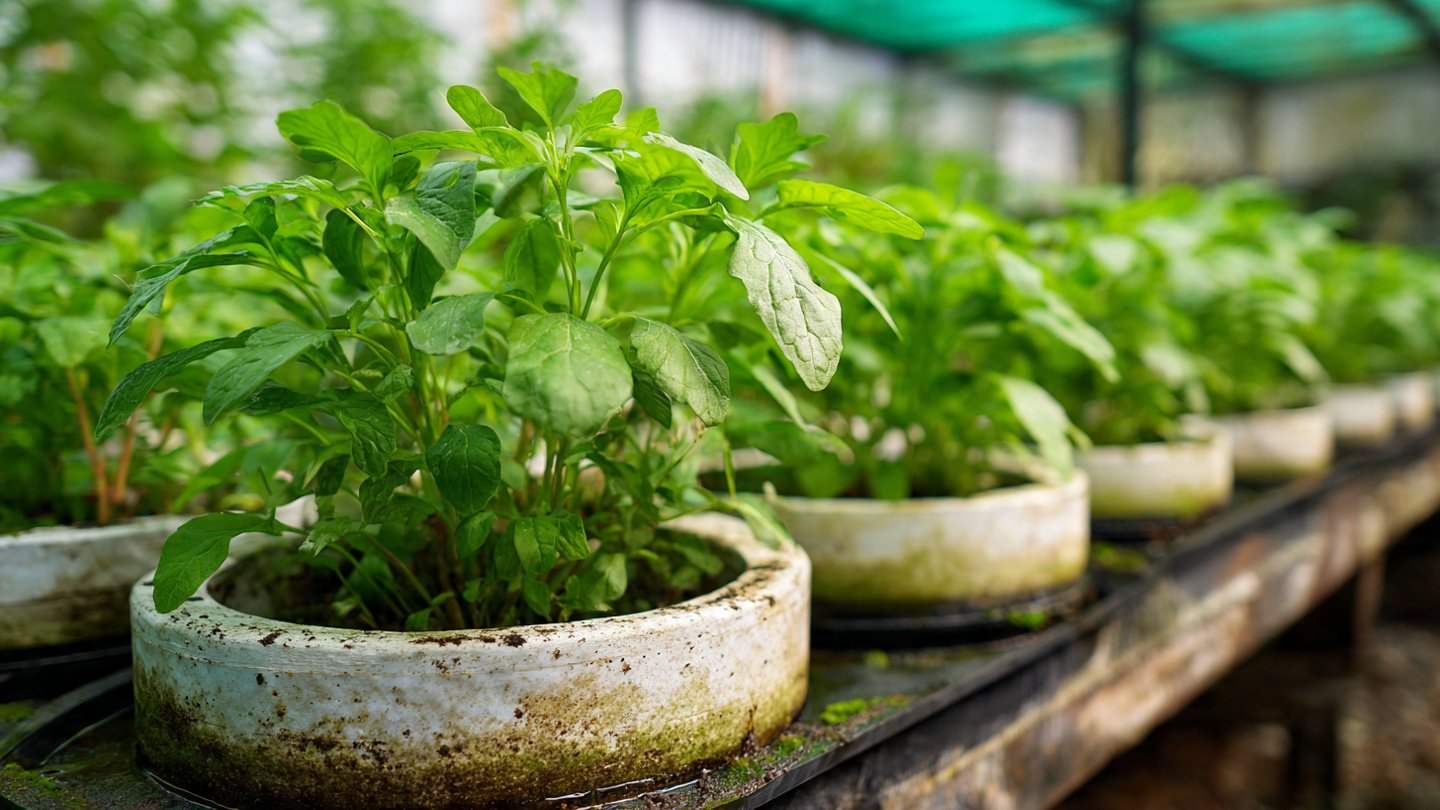
Growing palak (spinach) in shallow containers is a rewarding endeavor, especially for urban gardeners with limited space. With its rich nutrient content and quick growth cycle, palak is not only a culinary favorite but also a great choice for gardening enthusiasts. This article explores the methods to grow palak in shallow containers, offering tips to maximize yield, and addressing common FAQs to guide you through the process.
Why Grow Palak?
Palak is renowned for its high levels of vitamins A, C, and K, as well as iron and calcium. It’s often used in salads, smoothies, and various dishes across cuisines. Not only is palak nutritious, but it can also be grown effortlessly in containers, making it ideal for balcony and terrace gardens.
Latest Posts
- OnePlus 15T Smartphone Unveiled – Featuring 200MP Camera, Snapdragon 8 Elite Gen 5 and Massive Battery
- Lava Yuva 5G Unveiled – 120Hz Display and Strong Performance for Everyday Use
- Nokia 1100 Launched – Premium Keypad Phone Returns at Budget Price ₹2,500
- Motorola G96 5G Unveiled – Featuring Stylish Design, Strong Performance and Advanced Camera Tech
- Vivo Y21d Unveiled – Massive 6000mAh Battery for All-Day Everyday Use
- Nothing Phone 4 Ultra 5G Launched – 16GB RAM, AI-Powered 50MP Camera and Flagship Performance
- OnePlus 5G Smartphone Launched – 300MP AI Camera, 7000mAh Battery & 100W Fast Charging
- Nothing Phone 3a Pro – High processor smartphone for gaming lovers – battery is 5000mAH
- Realme 15 Pro – 3 days battery backup smartphone with 50MP front camera under ₹28,000
- Vivo X200 FE – 12GB RAM + 256GB Storage smartphone with HD quality camera
Choosing the Right Container
When selecting a container for growing palak, consider the following:
1. Depth
Palak has a relatively shallow root system, making containers with a depth of 6 to 8 inches sufficient. This allows the roots to spread without overcrowding.
2. Width
Opt for containers that are at least 12 to 18 inches wide. The more space your palak has, the better the yield.
3. Material
Containers can be made from plastic, ceramic, wood, or fabric. Each has pros and cons, but ensure that it has drainage holes to prevent waterlogging.
4. Mobility
Choose containers that are easy to move, allowing you to adjust their positions based on sunlight exposure throughout the day.
Soil and Fertilization
1. Soil Type
Use a well-draining potting mix enriched with organic matter. A mix of compost, peat moss, and perlite is ideal for palak growth. This combination promotes aeration and moisture retention.
2. Fertilization
Using a balanced fertilizer can enhance growth. A 10-10-10 (N-P-K) fertilizer is recommended. Apply it every two weeks as the plants grow, diluting the fertilizer to avoid overloading the plants.
Planting Palak Seeds
1. Timing
Palak thrives in cooler temperatures, making it suitable for early spring and fall planting. Ideal temperatures range between 55°F to 70°F (13°C to 21°C).
2. Seed Selection
Choose disease-resistant varieties for better yields. Some popular palak varieties include ‘Indian Summer’ and ‘Bloomsdale.’
3. Sowing Seeds
- Sow seeds about 1 inch apart, and plant them about half an inch deep.
- Cover with soil and water lightly. Ensure the container is placed in a location that receives at least 4 to 6 hours of sunlight daily.
Watering Techniques
Palak requires consistent moisture but dislikes waterlogged conditions. Here are effective watering techniques:
1. Frequency
Water the container deeply once or twice a week, allowing the top inch of soil to dry out between waterings.
2. Method
Use a watering can or a gentle spray nozzle to avoid displacing seeds. Water early in the morning or late in the afternoon to reduce evaporation.
3. Mulching
Organic mulch, such as straw or grass clippings, can help retain moisture and suppress weeds.
Pest and Disease Management
Common Pests
Palak is susceptible to pests like aphids, snails, and whiteflies. Implement the following strategies for effective pest control:
- Manual removal: Check the leaves regularly and remove pests by hand.
- Natural predators: Introduce beneficial insects like ladybugs to combat aphid populations.
- Neem oil: Use a diluted neem oil solution as a natural pesticide.
Disease Prevention
Fungal diseases can affect palak, especially in humid conditions. Follow these guidelines to minimize risks:
- Good air circulation: Space plants adequately to promote airflow.
- Water management: Avoid overhead watering. Water the soil directly to keep the leaves dry.
- Rotate Crops: Avoid planting palak in the same container or area where it has previously grown.
Harvesting Palak
1. Timing
Palak is typically ready for harvesting 6 to 8 weeks after sowing. The leaves should be tender yet fully developed.
2. Method
To harvest, use scissors to cut the outer leaves, allowing the inner leaves to keep growing. This technique, known as “cut-and-come-again,” promotes continuous harvest and prolongs the plant’s life.
Maximizing Yield in Containers
To achieve the maximum yield from your palak plants, implement these practices:
1. Companion Planting
Consider growing companion plants like radishes or lettuce with palak. This not only makes efficient use of space but can also deter pests.
2. Succession Planting
Plant new seeds every few weeks to ensure a continuous supply of fresh palak.
3. Pruning
Regularly remove wilted or yellowing leaves to promote healthy growth and improve air circulation.
4. Optimal Sunlight
Rotate the containers periodically to ensure even sunlight exposure, which helps avoid leggy growth.
FAQs
1. How often should I water my palak in containers?
Water the containers deeply once or twice a week, allowing the top inch of soil to dry out between waterings.
2. Can I grow palak indoors?
Yes! Place the containers in a sunny spot, such as near a south-facing window, where they can receive adequate sunlight.
3. What can I do if my palak has slow growth?
Insufficient sunlight, overwatering, or clogged soil could be the problem. Ensure proper drainage, adequate light, and consider fertilizing.
4. How can I prevent pest infestations in my palak?
Maintain good hygiene in the garden, rotate crops, and use natural deterrents like neem oil or introduce beneficial insects.
5. Is it better to start palak from seeds or seedlings?
While both methods are effective, starting from seeds can be more economical and rewarding, offering a greater variety of palak types.
6. Why are my palak leaves turning yellow?
Yellowing leaves can indicate overwatering, nutrient deficiency, or insufficient light. Assess your watering routine and consider adding nutrients.
7. How long can I harvest palak?
You can harvest palak continuously for several weeks using the cut-and-come-again method until the plants begin to bolt (flower) or taste bitter.
8. Can I grow palak in winter?
While palak prefers cooler weather, it may struggle in freezing temperatures. In colder climates, consider using a greenhouse or starting indoors to transplant in spring.
Conclusion
Growing palak in shallow containers is not only feasible but can lead to impressive yields with the proper care and practices. By paying attention to soil quality, watering techniques, pest control, and sunlight exposure, you can harvest fresh palak throughout the growing season. Whether you’re an experienced gardener or just starting, cultivating palak in containers is a fulfilling way to enjoy the benefits of home gardening. Embrace the process, and soon you’ll be savoring the delicious and nutritious fruits of your labor!