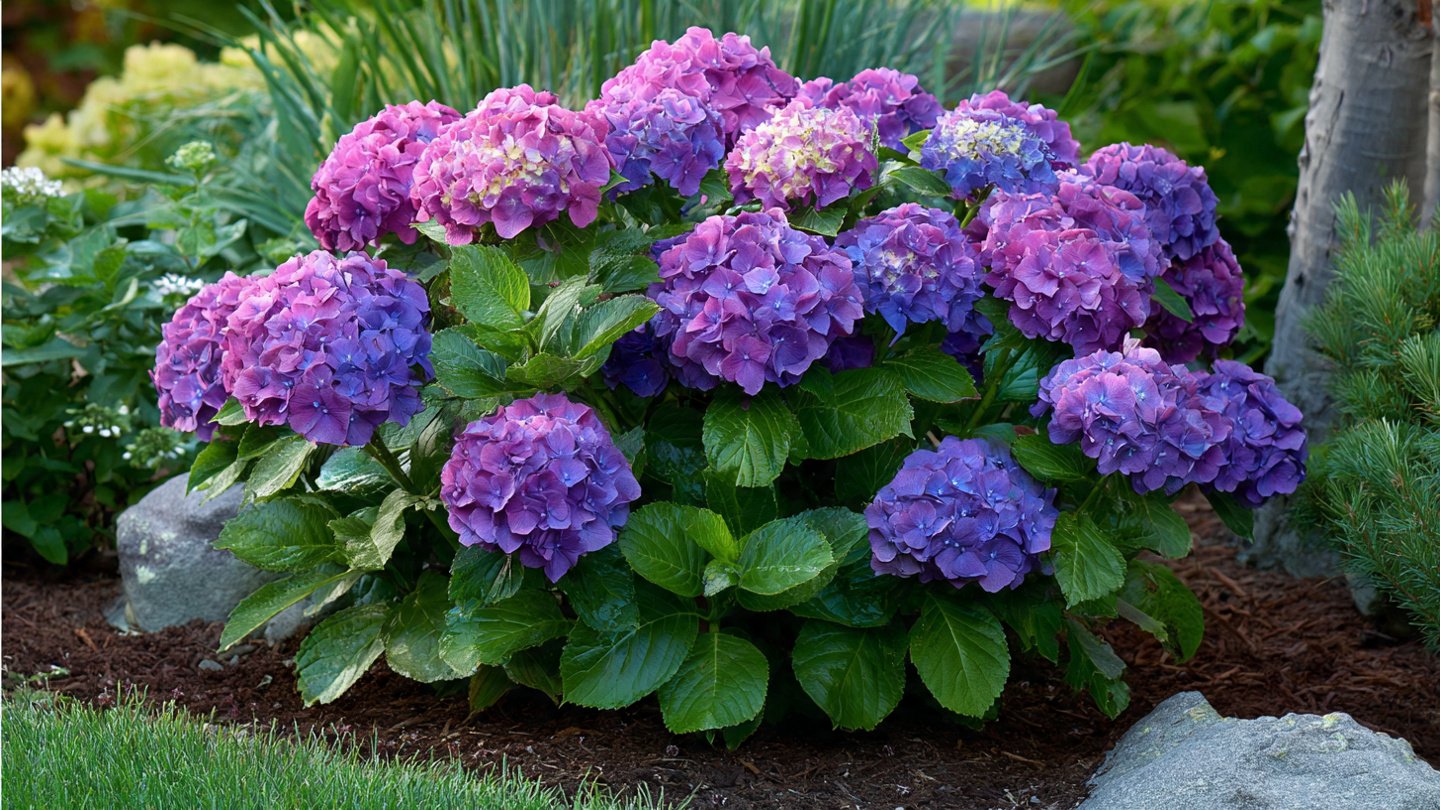
Hydrangeas are among the most beloved flowering shrubs that can bring a burst of color to any garden. Known for their large blooms and lush foliage, these plants can thrive in various climates and soil conditions when cared for properly. In this article, we’ll explore easy methods to grow vibrant hydrangea shrubs outdoors, covering everything from planting to maintenance, as well as troubleshooting common issues.
Hydrangea Varieties
Before planting, it’s essential to know that there are several types of hydrangeas, each with unique characteristics:
Latest Posts
- OnePlus 15T Smartphone Unveiled – Featuring 200MP Camera, Snapdragon 8 Elite Gen 5 and Massive Battery
- Lava Yuva 5G Unveiled – 120Hz Display and Strong Performance for Everyday Use
- Nokia 1100 Launched – Premium Keypad Phone Returns at Budget Price ₹2,500
- Motorola G96 5G Unveiled – Featuring Stylish Design, Strong Performance and Advanced Camera Tech
- Vivo Y21d Unveiled – Massive 6000mAh Battery for All-Day Everyday Use
- Nothing Phone 4 Ultra 5G Launched – 16GB RAM, AI-Powered 50MP Camera and Flagship Performance
- OnePlus 5G Smartphone Launched – 300MP AI Camera, 7000mAh Battery & 100W Fast Charging
- Nothing Phone 3a Pro – High processor smartphone for gaming lovers – battery is 5000mAH
- Realme 15 Pro – 3 days battery backup smartphone with 50MP front camera under ₹28,000
- Vivo X200 FE – 12GB RAM + 256GB Storage smartphone with HD quality camera
- Bigleaf Hydrangeas (Hydrangea macrophylla): Known for their large, rounded blooms, they thrive in USDA zones 5-9 and can change color based on soil pH.
- Panicle Hydrangeas (Hydrangea paniculata): These are hardier and can be grown in USDA zones 3-8. They tend to produce cone-shaped flower clusters.
- Smooth Hydrangeas (Hydrangea arborescens): These are native to North America and can tolerate colder climates.
- Oakleaf Hydrangeas (Hydrangea quercifolia): With unique oak-shaped leaves, they offer beautiful fall color as well.
- Climbing Hydrangeas (Hydrangea anomala petiolaris): Great for vertical gardening, these can climb walls and fences.
Choosing the right variety for your climate, garden space, and aesthetic preferences will set you on a successful path.
Preparing to Plant
Where to Plant
Hydrangeas flourish best in:
- Partial Shade: They generally prefer morning sun and afternoon shade. Too much sun can lead to wilting and burnt leaves, while too little light can restrict flowering.
- Well-drained Soil: Clay soils retain too much moisture while sandy soils drain too quickly. A balanced loamy soil works best.
Soil Preparation
- Testing Soil pH: Hydrangeas are unique in that their bloom color can be affected by soil pH. A more acidic soil (pH 5.5 or lower) can produce blue flowers, while alkaline soil (pH 6.5 and above) leads to pink blooms. You can adjust soil pH using lime to raise it or sulfur to lower it.
- Enriching with Organic Matter: Add compost, aged manure, or sphagnum peat moss to improve soil structure and fertility. Aim for a well-draining mix that retains moisture without becoming waterlogged.
Planting Hydrangeas
When to Plant
The best time to plant hydrangeas is during early spring or fall. Spring planting allows the shrub to establish roots before the heat of summer, while fall planting enables it to take advantage of the cooler temperatures for root growth.
Steps to Plant
-
Digging the Hole: Begin by digging a hole that is twice as wide and slightly deeper than the root ball.
-
Amending the Soil: Mix the native soil with compost or organic matter to ensure proper drainage and nutrients.
-
Positioning the Plant: Remove the plant from its pot and gently tease apart the roots if they are tightly bound. Place the plant in the center of the hole, ensuring that the top of the root ball is level with the surrounding soil surface.
-
Filling the Hole: Backfill with the amended soil, patting it down gently to eliminate air pockets. Water the area thoroughly.
-
Mulching: Apply a 2-3 inch layer of mulch around the base to help retain moisture and suppress weeds. Be sure to keep the mulch a few inches away from the trunk.
Caring for Hydrangeas
Watering
Hydrangeas love moisture but are sensitive to overwatering.
- First Year: Water newly planted hydrangeas consistently for the first year, ensuring they receive about an inch of water per week.
- Established Plants: Once established, hydrangeas can tolerate some drought, but consistent watering during dry spells is still crucial.
Fertilizing
- Spring Feeding: Use a slow-release, balanced fertilizer in early spring to promote healthy growth. Look for fertilizers with higher nitrogen content, as they encourage greener foliage.
- Mid-Season Boost: A second application can be made in mid-summer, especially for blooming varieties.
Pruning
Pruning requirements can vary by variety:
-
Bigleaf Hydrangeas: Best pruned after flowering, ideally in late summer. Remove spent blooms and any dead or weak stems to encourage new growth.
-
Panicle and Smooth Hydrangeas: Can be pruned in late winter or early spring before new growth emerges.
-
Climbing Hydrangeas: Minimal pruning is needed, mainly to control their spread.
Pest and Disease Management
Hydrangeas are generally resilient but can attract pests like aphids and spider mites, as well as fungal diseases such as powdery mildew.
-
Pest Control: Use insecticidal soap or neem oil to manage pests. Regular inspections can help catch infestations early.
-
Disease Prevention: Ensure good air circulation by avoiding overcrowding and helping to keep leaves dry by watering at the base rather than overhead. Remove and dispose of any affected leaves promptly.
Seasonal Considerations
-
Winter Protection: In colder climates, protect your hydrangeas during winter. Mulch heavily around their base and consider wrapping smaller shrubs with burlap. For large varieties, prune back dead wood but leave healthy buds intact.
-
Summer Care: During heat waves, consider providing afternoon shade if you notice any wilting or signs of stress.
Common Problems and Solutions
-
Yellowing Leaves: This often indicates nutrient deficiency or overwatering. Ensure proper drainage and consider using a balanced fertilizer.
-
No Blooms: If they’re not flowering, check the type of hydrangea and when it typically blooms. Pruning at the wrong time can impact flowers.
-
Wilting Flowers: In extremely hot weather, hydrangeas will droop temporarily. Water thoroughly to perk them up. Consider moving potted varieties to a shadier location during peak heat.
FAQs
Q1: How often should I water my hydrangeas?
A1: Newly planted hydrangeas need about an inch of water weekly. Established plants may require less frequent watering but should still be monitored during dry spells.
Q2: What is the best fertilizer for hydrangeas?
A2: A balanced, slow-release fertilizer with higher nitrogen content is recommended. Look for a fertilizer specifically labeled for flowering shrubs.
Q3: Why are my hydrangeas not blooming?
A3: No blooms could be due to improper pruning, insufficient sunlight, or stress from extreme conditions like drought or too much water.
Q4: Can I change the color of my hydrangeas?
A4: Yes, you can alter the color by adjusting the soil pH. Acidic soils create blue blooms, while alkaline soils produce pink flowers.
Q5: Should I prune my hydrangeas in the fall or spring?
A5: It depends on the variety. Bigleaf hydrangeas should be pruned after flowering, while panicle and smooth types can be pruned in late winter or early spring.
Q6: How do I protect my hydrangeas during winter?
A6: Mulch heavily around the base and consider wrapping smaller shrubs with burlap for protection against harsh winter winds.
By following these easy methods and tips, you can cultivate vibrant hydrangea shrubs that offer stunning blooms and become a focal point in your outdoor garden. Happy gardening!