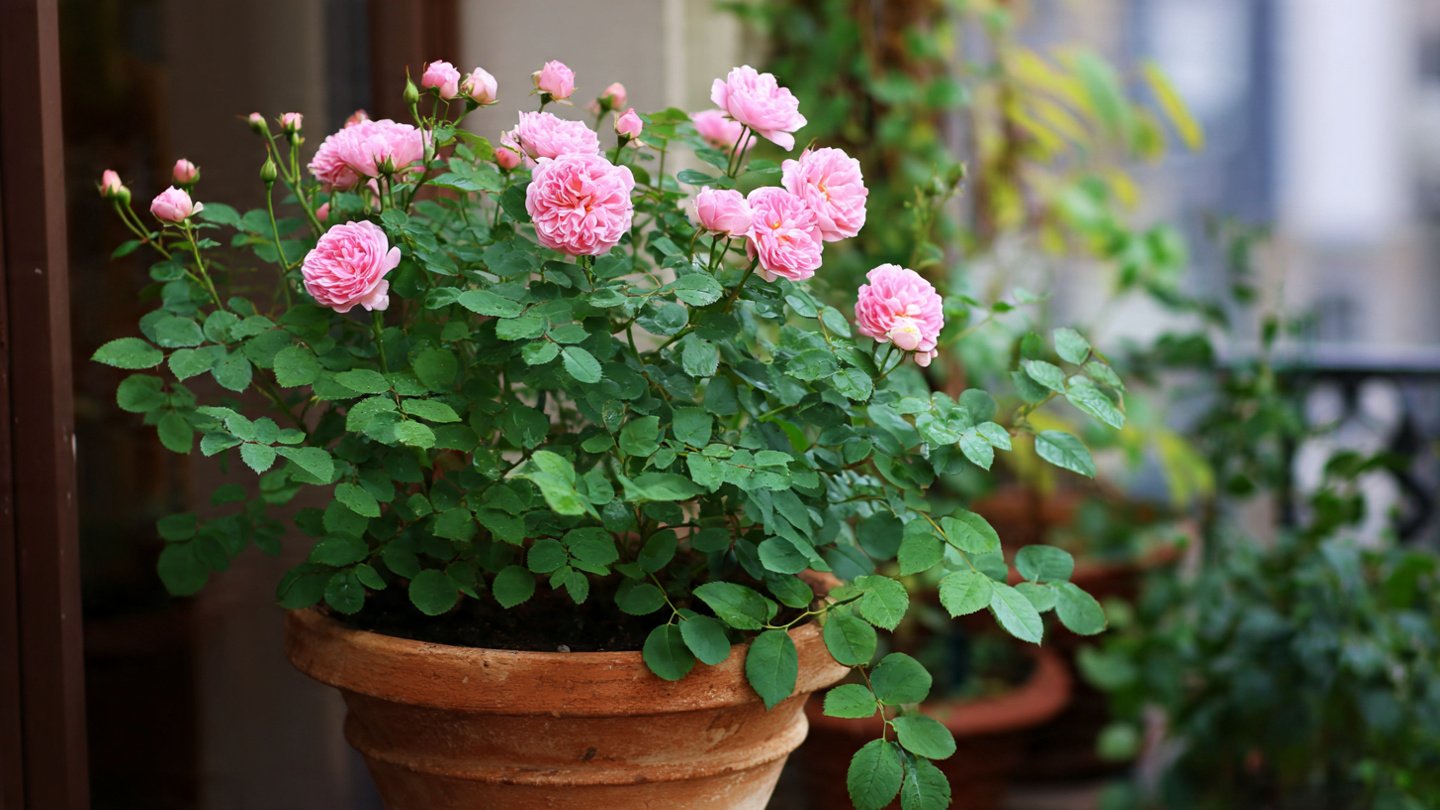
Roses are often considered the quintessential flower, renowned for their beauty and fragrance. Growing bushy rose plants in pots at home can be an enriching experience, allowing you to enjoy these lovely blooms even if you have limited garden space. This guide will walk you through the easy steps to cultivate vibrant, bushy rose plants in containers, ensuring that your plants thrive and flourish.
1. Choosing the Right Rose Variety
1.1 Types of Bushy Roses
Latest Posts
- OnePlus 15T Smartphone Unveiled – Featuring 200MP Camera, Snapdragon 8 Elite Gen 5 and Massive Battery
- Lava Yuva 5G Unveiled – 120Hz Display and Strong Performance for Everyday Use
- Nokia 1100 Launched – Premium Keypad Phone Returns at Budget Price ₹2,500
- Motorola G96 5G Unveiled – Featuring Stylish Design, Strong Performance and Advanced Camera Tech
- Vivo Y21d Unveiled – Massive 6000mAh Battery for All-Day Everyday Use
- Nothing Phone 4 Ultra 5G Launched – 16GB RAM, AI-Powered 50MP Camera and Flagship Performance
- OnePlus 5G Smartphone Launched – 300MP AI Camera, 7000mAh Battery & 100W Fast Charging
- Nothing Phone 3a Pro – High processor smartphone for gaming lovers – battery is 5000mAH
- Realme 15 Pro – 3 days battery backup smartphone with 50MP front camera under ₹28,000
- Vivo X200 FE – 12GB RAM + 256GB Storage smartphone with HD quality camera
When it comes to potted roses, the following types work particularly well due to their compact growth habits:
- Miniature Roses: These smaller plants produce small blooms but in abundance. They are perfect for pots in limited spaces.
- Floribunda Roses: Known for their clusters of flowers, these roses bloom profusely and can add vibrant colors to your collection.
- Patio Roses: Specifically bred to grow well in containers, patio roses adapt well to pot life and offer a bushy growth habit.
1.2 Selecting Healthy Plants
Choose healthy rose plants from a local nursery or reputable supplier. Look for:
- Strong stems
- Fresh, green leaves
- No signs of pests or diseases
2. Selecting the Right Pot
2.1 Size Matters
A pot size of at least 12-16 inches in diameter is ideal for bushy roses. This allows for adequate root growth and stability. Ensure the pot has drainage holes to prevent waterlogging.
2.2 Material Choices
Rose pots can be made from various materials:
- Terracotta: Breathable and attractive but can dry out quickly.
- Plastic: Lightweight and retains moisture well, but may not be as aesthetically pleasing.
- Ceramic: Beautiful and durable, yet heavy and can crack in freezing temperatures.
3. Soil Preparation
3.1 Choosing the Right Soil Mix
Roses thrive in well-draining, nutrient-rich soil. A mix of:
- Potting Soil: Provides the necessary nutrients.
- Compost: Enhances soil quality and richness.
- Perlite or Sand: Improves drainage.
3.2 Soil pH
Roses prefer slightly acidic to neutral soil (pH 6.0 to 6.8). Testing your soil’s pH level can help you adjust its acidity if necessary.
4. Planting Your Roses
4.1 Timing
The best time to plant roses is either in the spring after the last frost or in the fall. This allows the plants to establish their roots before the extremes of summer or winter.
4.2 Steps to Plant
- Fill the Pot: Start by filling your pot with the soil mix, leaving about an inch of space from the top.
- Remove from Container: Gently take the rose plant out of its nursery container, being careful not to damage the root ball.
- Place in Pot: Make a hole in the soil and place the root ball inside. Ensure that the graft union (the swollen area where the plant was grafted) sits just above the soil line.
- Backfill: Fill in around the roots with additional soil, firming it down lightly to eliminate air pockets.
- Water: Give your newly planted rose a thorough watering to help settle the soil.
5. Watering Tips
5.1 Frequency
Water your potted roses deeply once a week, allowing the soil to dry slightly between waterings. Monitor the weather; during hot, dry spells, you may need to increase watering frequency.
5.2 Method
Water at the base of the plant in the morning to minimize evaporation and reduce the risk of fungal diseases.
6. Providing the Right Nutrients
6.1 Fertilization
Roses are heavy feeders. Use a balanced, slow-release fertilizer formulated for roses:
- Spring Feeding: Apply fertilizer as new growth begins.
- Mid-Season Boost: Apply a second round of fertilizer in mid-summer to encourage continued blooming.
6.2 Organic Alternatives
Consider organic options like fish emulsion or compost tea, which provide nutrients without the risk of chemical burn.
7. Pruning for Bushiness
7.1 Timing
Prune your roses in late winter or early spring, just before new growth appears.
7.2 Pruning Techniques
- Remove Dead Wood: Cut away any dead or diseased branches.
- Shape the Plant: Trim back long stems to encourage bushier growth and more flowers.
- Thin Out: If the plant is overcrowded, remove some branches to improve air circulation.
8. Sunlight Requirements
8.1 Ideal Placement
Roses need at least 6 hours of sunlight daily. Place your pots in a sunny location, such as a south- or west-facing balcony or patio.
8.2 Adjusting for Heat
In extremely hot climates, consider providing partial shade during the hottest parts of the day to prevent scorching.
9. Pest and Disease Management
9.1 Common Issues
Be on the lookout for pests such as aphids, spider mites, and whiteflies. Fungal diseases like powdery mildew can also affect roses.
9.2 Natural Remedies
- Insecticidal Soap: A gentle solution for pests.
- Neem Oil: Effective against both pests and diseases.
- Good Airflow: Prune when needed to maintain air circulation around the plant.
10. Winter Care
10.1 Protecting Your Roses
If you live in a region with cold winters:
- Insulate: Wrap pots with burlap or bubble wrap to protect roots from freezing.
- Move Indoors: Bring pots inside, ideally to a cool, well-lit room, if possible.
10.2 Mulching
Apply a layer of mulch to moderate soil temperatures and retain moisture.
FAQs (Frequently Asked Questions)
Q1: Can I grow rose plants in smaller pots?
A: While you can start roses in smaller pots, they will need to be moved to larger ones as they grow to allow for adequate root development.
Q2: How often should I water my potted roses?
A: Typically, watering once a week is sufficient, but adjust based on weather conditions, soil moisture, and plant needs.
Q3: What is the best fertilizer for roses?
A: Use a balanced, slow-release fertilizer specifically designed for roses. Organic options like compost can also be effective.
Q4: How do I know if my roses are getting enough sunlight?
A: If your roses are leggy, have sparse blooms, or exhibit yellowing leaves, they may not be getting enough light. Ensure they receive at least 6 hours of direct sunlight daily.
Q5: Can I grow roses indoors?
A: Yes, you can grow roses indoors. Use a well-draining pot, and provide plenty of sunlight, ideally near a south-facing window.
Q6: Why are my roses not blooming?
A: Lack of blooms can be due to insufficient sunlight, improper watering practices, or lack of nutrients. Ensure proper care and check for pests.
Q7: How do I prune roses for optimal growth?
A: Prune in late winter or early spring, removing dead or diseased wood and shaping the plant to encourage bushiness and blooming.
Q8: Are there any rose varieties that are particularly low-maintenance?
A: Yes, consider types like Knock Out Roses, which are known for their disease resistance and relatively easy care compared to other varieties.
Conclusion
Growing bushy rose plants in pots at home is a rewarding endeavor that can bring beauty and fragrance to your living space. By following these easy steps, from selecting the right variety and pot to understanding watering, feeding, and pruning techniques, you’ll be well on your way to cultivating stunning roses. With a little patience and care, your potted roses will flourish, providing you with joy for years to come. Whether you’re an experienced gardener or a budding enthusiast, these tips will help you succeed in your rose-growing journey. Enjoy the process of caring for these beautiful plants, and don’t hesitate to explore different varieties to find those that best suit your tastes and environment!