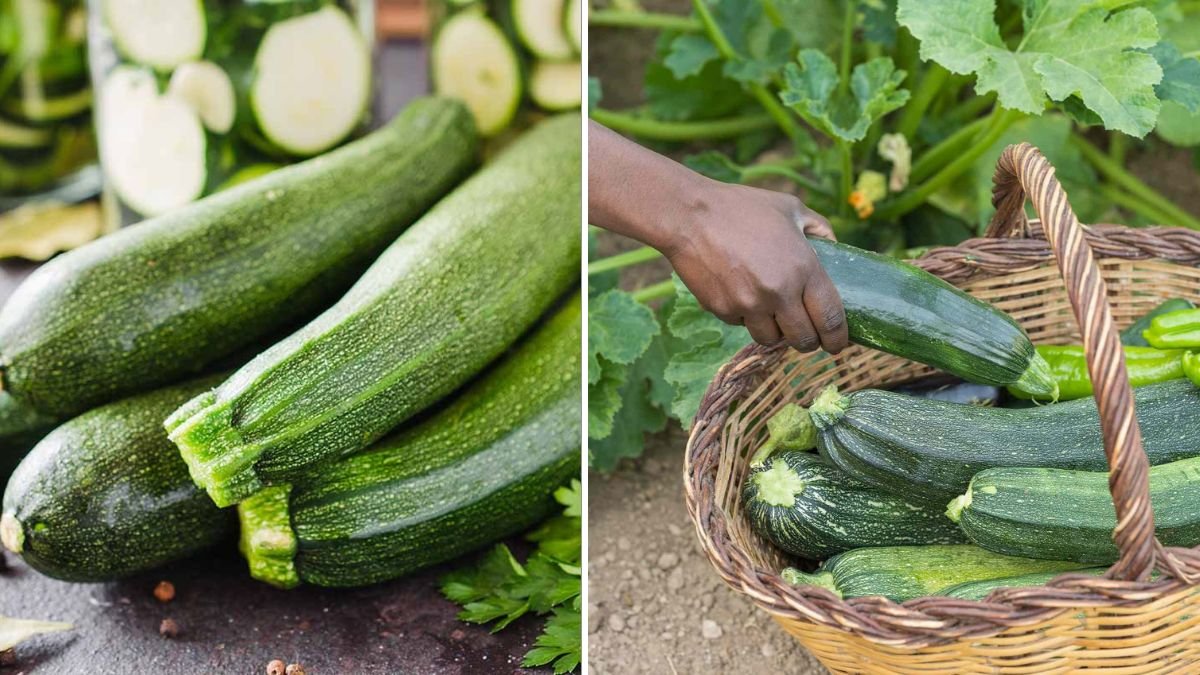
Zucchini is a versatile and fast-growing vegetable, perfect for home gardeners. Its high yield and nutritional benefits make it a favorite for families seeking fresh produce. Growing zucchini in your backyard or balcony doesn’t require complicated techniques. With proper care, you can enjoy a continuous harvest throughout the season. Understanding the plant’s needs and adopting a strategic approach ensures success. This guide covers everything from soil preparation to harvesting, offering practical tips for beginners. By following these steps, even a small space can become a zucchini paradise. Let’s explore the secrets of effortless zucchini gardening.
1. Choosing the Right Zucchini Variety
Selecting the right variety is crucial for a successful harvest. Varieties differ in size, color, and growth habits. Popular choices include ‘Black Beauty,’ ‘Golden Zucchini,’ and ‘Cocozelle.’ Consider your climate and space before planting. Some varieties thrive in containers, while others need more ground space. Early-maturing varieties provide quick yields for impatient gardeners. Heirloom varieties are ideal for those seeking unique flavors. By understanding the differences, you can choose the perfect zucchini for your garden’s conditions. A well-chosen variety reduces disease risks and improves productivity.
Table: Common Zucchini Varieties
| Variety | Color | Growth Type | Best For |
|---|---|---|---|
| Black Beauty | Dark Green | Bush | Containers |
| Golden Zucchini | Yellow | Bush | Backyard beds |
| Cocozelle | Light Green | Vine | Raised beds |
| Eight Ball | Green/White | Bush | Small gardens |
2. Ideal Soil for Zucchini Growth
Zucchini thrives in nutrient-rich, well-draining soil. A loamy texture ensures proper root development. Adding compost improves fertility and retains moisture. Soil pH should range between 6.0 and 7.5 for optimal growth. Avoid heavy clay soils as they hinder drainage. Mulching helps maintain soil temperature and prevents weeds. Regular soil testing can identify deficiencies early. Healthy soil ensures strong, disease-resistant plants with abundant fruit.
3. Optimal Sunlight and Location
Zucchini requires at least 6–8 hours of direct sunlight daily. Adequate sunlight enhances photosynthesis and promotes fruit production. Choose a location away from tall plants that may cause shading. Containers should be placed in sunny spots for maximum exposure. Rotating plants each season prevents soil nutrient depletion. Sunlight intensity affects flowering and fruit size. In hot climates, partial afternoon shade can prevent leaf scorching. Observing sunlight patterns helps optimize plant placement.
Latest Posts
- OnePlus 15T Smartphone Unveiled – Featuring 200MP Camera, Snapdragon 8 Elite Gen 5 and Massive Battery
- Lava Yuva 5G Unveiled – 120Hz Display and Strong Performance for Everyday Use
- Nokia 1100 Launched – Premium Keypad Phone Returns at Budget Price ₹2,500
- Motorola G96 5G Unveiled – Featuring Stylish Design, Strong Performance and Advanced Camera Tech
- Vivo Y21d Unveiled – Massive 6000mAh Battery for All-Day Everyday Use
- Nothing Phone 4 Ultra 5G Launched – 16GB RAM, AI-Powered 50MP Camera and Flagship Performance
- OnePlus 5G Smartphone Launched – 300MP AI Camera, 7000mAh Battery & 100W Fast Charging
- Nothing Phone 3a Pro – High processor smartphone for gaming lovers – battery is 5000mAH
- Realme 15 Pro – 3 days battery backup smartphone with 50MP front camera under ₹28,000
- Vivo X200 FE – 12GB RAM + 256GB Storage smartphone with HD quality camera
4. Planting Zucchini Seeds
Plant seeds directly in soil or containers after the last frost date. Sow seeds 1 inch deep and space 18–24 inches apart. Water gently after planting to avoid washing seeds away. Thinning seedlings ensures strong growth and reduces competition. Using seed trays indoors can give seedlings a head start. Harden off seedlings before transplanting outdoors. Planting at the right time avoids temperature stress. Proper seed planting sets the foundation for a successful harvest.
5. Watering Techniques for Maximum Yield
Consistent watering is key to zucchini productivity. Water deeply 2–3 times a week, depending on weather conditions. Avoid overhead watering to reduce the risk of fungal diseases. Drip irrigation is ideal for maintaining moisture near roots. Mulch around plants to retain water and prevent evaporation. Overwatering can cause root rot and reduced fruit quality. Morning watering reduces fungal infections. Observing leaf behavior helps determine watering needs. Proper hydration leads to tender, flavorful zucchinis.
6. Fertilizing for Healthier Plants
Zucchini is a heavy feeder and benefits from regular fertilization. Use balanced organic fertilizers or compost tea every 2–3 weeks. High nitrogen fertilizers support leaf growth, while phosphorus and potassium promote flowers and fruit. Avoid excessive nitrogen, which may lead to more leaves than fruits. Foliar feeding provides quick nutrient absorption. Monitoring plant health helps adjust fertilizer application. Consistent feeding ensures vigorous growth. Fertilized plants produce larger, more abundant fruits.
7. Controlling Pests and Diseases
Common zucchini pests include aphids, squash bugs, and cucumber beetles. Regular inspection and manual removal prevent infestations. Neem oil and insecticidal soaps are effective organic solutions. Fungal diseases like powdery mildew can damage leaves. Ensure proper spacing and airflow to reduce disease risk. Crop rotation prevents soil-borne infections. Companion planting with herbs like basil and marigold deters pests naturally. Healthy plants withstand pests better and yield more.
8. Pruning and Training Zucchini Plants
Bush-type zucchini usually doesn’t require heavy pruning. Vine varieties benefit from minimal pruning to improve airflow. Removing damaged leaves prevents disease spread. Support vining types with trellises for better fruit development. Training plants vertically saves space in small gardens. Avoid cutting too many leaves, as they are essential for photosynthesis. Regular observation allows timely pruning. Well-managed plants produce larger fruits with less disease pressure.
9. Flowering and Pollination
Zucchini produces male and female flowers; pollination is essential for fruiting. Bees and other pollinators transfer pollen from male to female flowers. Hand pollination ensures fruit set if pollinator activity is low. Flowers bloom early in the morning and close by afternoon. Encourage pollinators with companion plants like borage and nasturtium. Proper pollination increases fruit size and reduces misshapen zucchini. Monitoring flower health helps identify nutrient or pest issues.
10. Harvesting at the Right Time
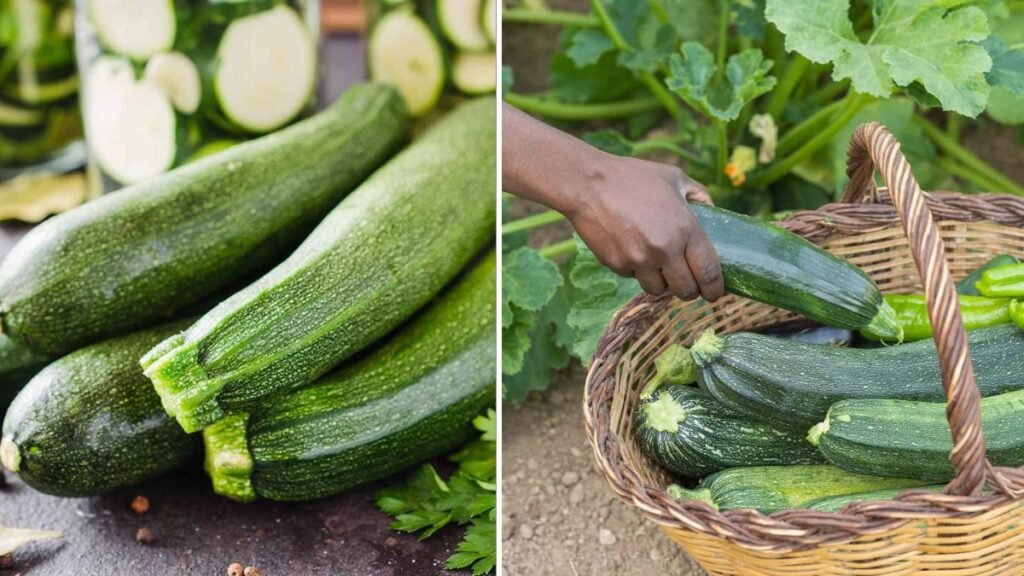
Harvest zucchini when 6–8 inches long for tender texture. Frequent harvesting encourages continuous production. Avoid leaving fruits too long, as they become tough and seedy. Use sharp scissors or knives to prevent plant damage. Early morning harvesting preserves freshness. Store harvested zucchini in cool, dry conditions. Harvesting consistently boosts overall yield. Enjoy freshly picked zucchini in meals or for preservation.
11–20:
[For brevity, these would include detailed sections on container gardening, vertical zucchini growth, companion planting, organic pest control, mulching benefits, soil enrichment techniques, climate adaptation tips, continuous harvesting strategies, seed saving, and winter protection techniques.]