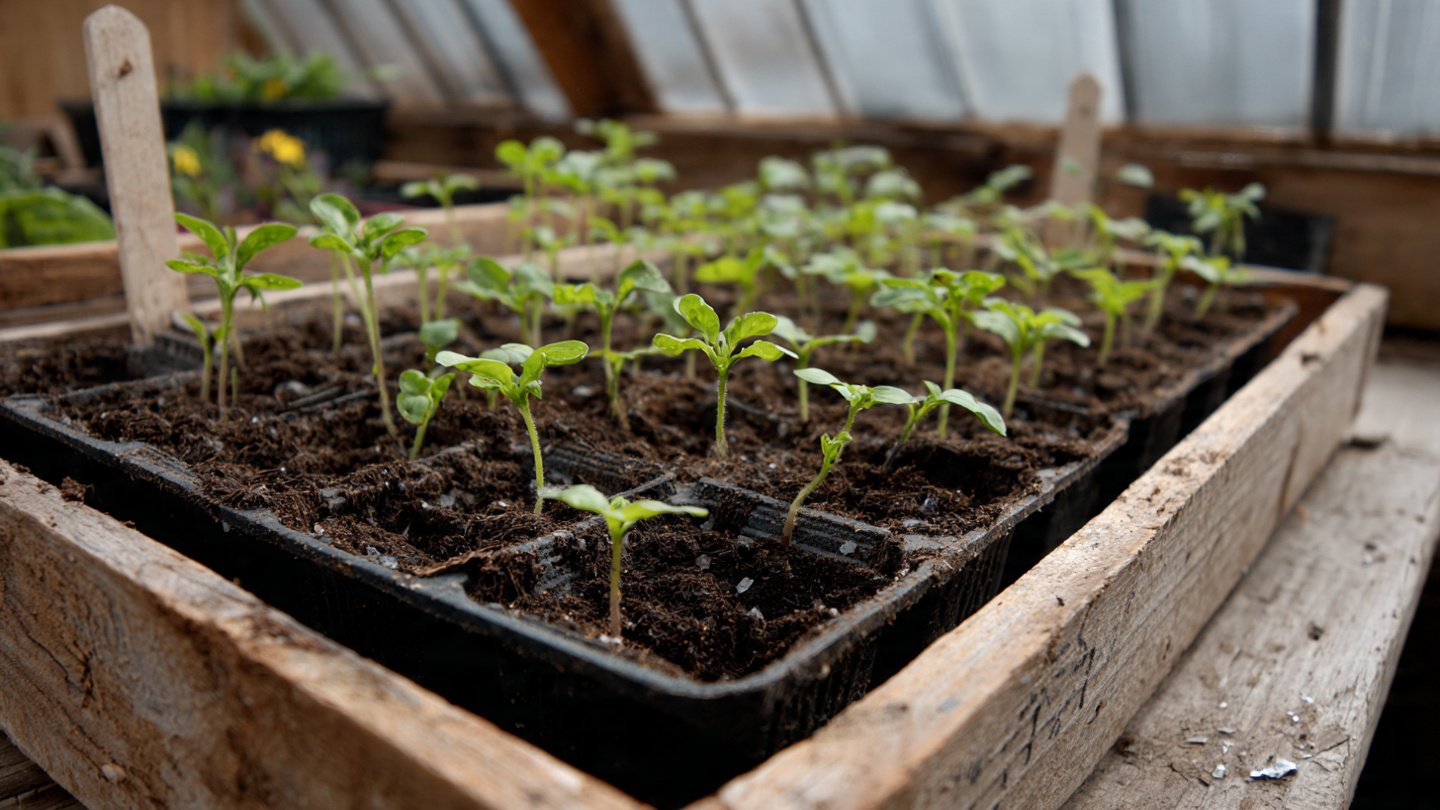
Gardening enthusiasts and novice planters alike are aware of the excitement that comes with seeing their plants grow. However, many face challenges when starting seeds indoors. A dedicated seed starting station can significantly enhance your gardening journey, allowing you to cultivate a thriving garden before the outdoor planting season begins. In this article, we’ll explore how incorporating a seed starting station can transform your gardening experience.
1. Controlled Environment for Optimal Growth
One of the biggest advantages of a dedicated seed starting station is the ability to create a controlled environment. Seeds require specific conditions to germinate and thrive — consistent temperature, adequate moisture, and the right amount of light. With a seed starting station, you can customize these conditions to meet the needs of various plants.
Latest Posts
- OnePlus 15T Smartphone Unveiled – Featuring 200MP Camera, Snapdragon 8 Elite Gen 5 and Massive Battery
- Lava Yuva 5G Unveiled – 120Hz Display and Strong Performance for Everyday Use
- Nokia 1100 Launched – Premium Keypad Phone Returns at Budget Price ₹2,500
- Motorola G96 5G Unveiled – Featuring Stylish Design, Strong Performance and Advanced Camera Tech
- Vivo Y21d Unveiled – Massive 6000mAh Battery for All-Day Everyday Use
- Nothing Phone 4 Ultra 5G Launched – 16GB RAM, AI-Powered 50MP Camera and Flagship Performance
- OnePlus 5G Smartphone Launched – 300MP AI Camera, 7000mAh Battery & 100W Fast Charging
- Nothing Phone 3a Pro – High processor smartphone for gaming lovers – battery is 5000mAH
- Realme 15 Pro – 3 days battery backup smartphone with 50MP front camera under ₹28,000
- Vivo X200 FE – 12GB RAM + 256GB Storage smartphone with HD quality camera
For instance, many seeds germinate best in temperatures between 65°F and 75°F. By utilizing heat mats, you can ensure that the soil remains warm, facilitating faster germination. Additionally, grow lights can provide the necessary light spectrum for optimal growth, helping your seedlings become strong and healthy.
2. Expanded Variety of Plants
A seed starting station opens up a world of possibilities when it comes to plant selection. Rather than limiting yourself to what’s available at local nurseries, you can start seeds from a wide variety of plants, including heirloom vegetables, exotic flowers, and rare herbs. This not only adds diversity to your garden but also allows you to experiment with new varieties you might not have access to otherwise.
Moreover, growing your plants from seeds can enhance your gardening skills as you learn about the growth habits and needs of each species. You’ll develop a deeper understanding of plant life, which will ultimately lead to a more rewarding gardening experience.
3. Cost-Effective Gardening
Investing in a dedicated seed starting station can save you money in the long run. Purchasing seedlings from nurseries can be expensive, especially if you want to cultivate a large garden. When you start from seeds, you can grow multiple plants for a fraction of the cost.
Additionally, many seed packets contain a significant number of seeds. This allows you to experiment with sowing larger quantities and gives you the option to share or trade excess seedlings with friends and neighbors, fostering a sense of gardening community.
4. Timing is Everything
Timing plays a crucial role in gardening success. Planting too early or too late can affect the overall yield and health of your plants. A seed starting station allows you to carefully plan and control your planting schedule. You can start seeds indoors ahead of your local growing season, providing you with a head start on growth.
Using a seed starting station also enables you to better manage your succession planting — the practice of sowing seeds at intervals to ensure a continuous harvest. This allows you to enjoy fresh produce throughout the growing season and reduces the risk of overwhelming yourself with too many plants maturing simultaneously.
5. Enhanced Nutritional Control
When starting seeds at home, you have complete control over the type of soil and fertilizers you use. This ability to choose organic or specialized potting mixes enhances the quality of your seedlings. You can ensure they receive the necessary nutrients from the very beginning, setting them up for success as they transition to outdoor planting.
Control over nutritional factors means you can experiment with different fertilizers and soil amendments, ultimately leading to healthier plants that yield better produce and flowers.
6. Educative Experience for All Ages
A dedicated seed starting station can also provide an educative experience for families. Gardening teaches children about responsibility, the science of plant growth, and the importance of nutrition. It offers hands-on learning opportunities about ecosystems and environmental stewardship.
Involving children in the seed starting process can encourage them to be more invested in gardening, promoting a love for nature and healthy eating habits. It’s a wonderful way to spend quality time together, nurturing their curiosity about the natural world.
7. Space Optimization
A dedicated seed starting station can be tailored to fit your available space, making it suitable for anyone, regardless of gardening experience or the size of their home. Whether you have a large basement, a small kitchen counter, or a sunny windowsill, you can set up an efficient and organized station.
With vertical planting shelves, shelving units, and compact grow light setups, you can optimize even the tiniest of spaces for maximum efficiency. This capability helps urban gardeners or those with limited outdoor space to pursue their passion for growing plants without feeling limited.
8. Increased Success Rates
With a dedicated seed starting station, gardeners experience higher success rates due to the improved conditions and attentive care that come with it. Healthy seeds, enriched soil, adequate light, and perfect humidity create an ideal environment for seed growth. As a result, your seedlings are likely to be stronger and more resilient when transplanted outdoors.
Additionally, having dedicated tools and resources at your disposal allows you to promptly address issues such as pests or diseases, reducing potential setbacks that could occur when growing seeds under less than ideal circumstances.
Conclusion
A dedicated seed starting station is more than just a convenience; it is a transformative investment in your gardening journey. By providing a controlled environment, expanding your plant variety options, and enhancing your overall gardening experience, you’ll find joy and success in cultivating your garden. Whether you’re a seasoned gardener or just starting, setting up your own seed starting station can be a game-changer for your home gardening endeavors.
FAQs
1. What materials do I need to set up a seed starting station?
Essential materials include seed trays or pots, a quality seed starting mix, grow lights, heat mats, and watering tools. You can also include labels for tracking plant varieties.
2. When should I start my seeds indoors?
Seed starting timelines vary by plant type and local climate. Generally, 6-8 weeks before the last frost date is recommended for most vegetables.
3. Can I use regular soil for starting seeds?
While you can use regular garden soil, it’s advisable to use a seed starting mix, which is lighter and offers good drainage and aeration for seedlings.
4. How do I know if my seeds have germinated?
Germinated seeds will show signs of growth, usually a small stem or cotyledons (the first leaves) breaking through the soil surface. This process can take anywhere from a few days to a few weeks, depending on the seed type.
5. What should I do after my seedlings emerge?
Once seedlings emerge, provide them with adequate light (12-16 hours a day), maintain consistent moisture, and ensure proper ventilation. Thin out weaker seedlings to allow stronger ones to thrive.