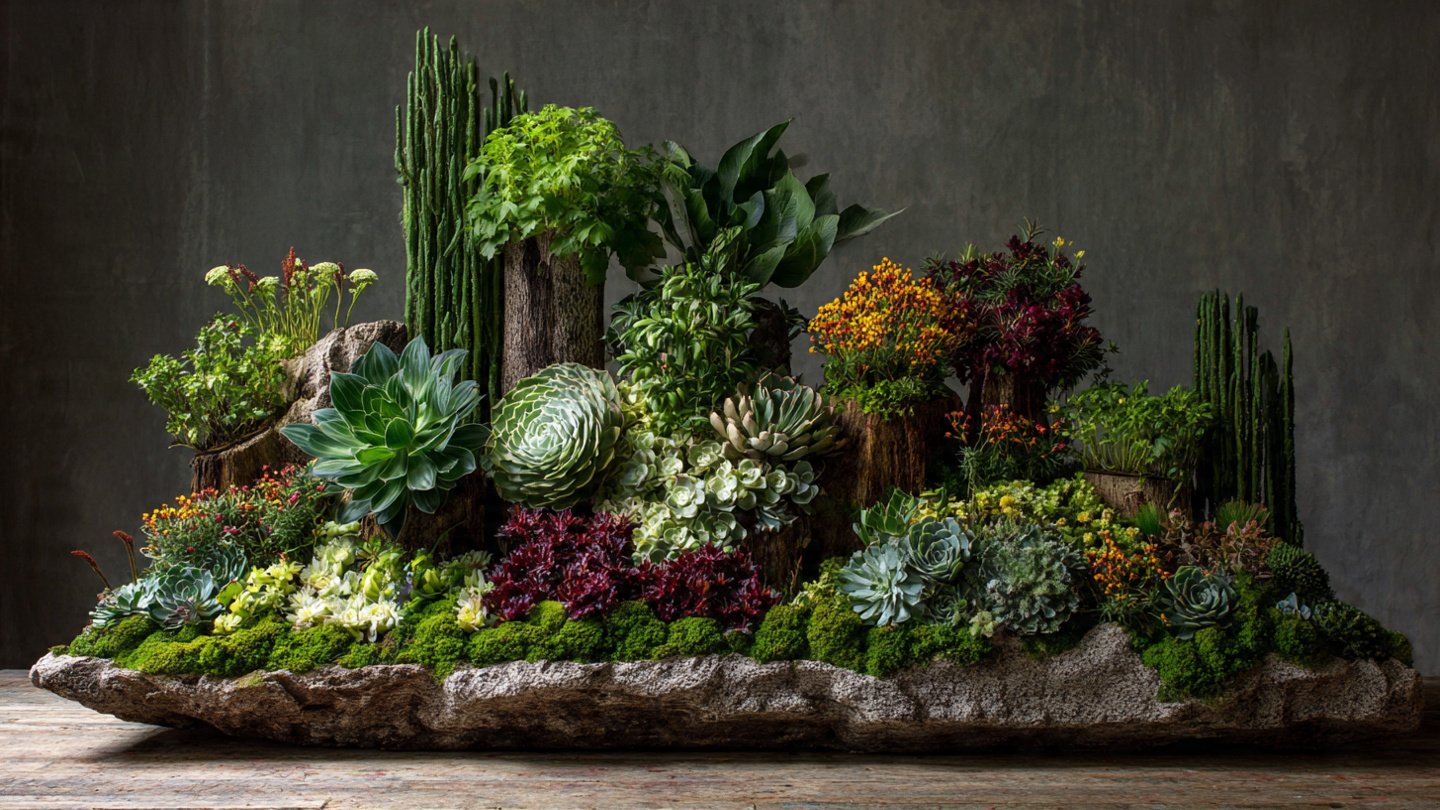
How Can You Craft a High Impact Display Using Only Local Plants?
Crafting a high-impact display using local plants is a sustainable and aesthetically pleasing approach to landscaping, gardening, and interior design. Not only does this method celebrate local flora, but it also promotes biodiversity, supports local ecosystems, and reduces environmental impact by minimizing the need for imported materials. In this article, we will explore how to effectively use local plants to create impactful displays that can beautify our homes, gardens, and public spaces.
Understanding Local Flora
Why Choose Local Plants?
Latest Posts
- OnePlus 15T Smartphone Unveiled – Featuring 200MP Camera, Snapdragon 8 Elite Gen 5 and Massive Battery
- Lava Yuva 5G Unveiled – 120Hz Display and Strong Performance for Everyday Use
- Nokia 1100 Launched – Premium Keypad Phone Returns at Budget Price ₹2,500
- Motorola G96 5G Unveiled – Featuring Stylish Design, Strong Performance and Advanced Camera Tech
- Vivo Y21d Unveiled – Massive 6000mAh Battery for All-Day Everyday Use
- Nothing Phone 4 Ultra 5G Launched – 16GB RAM, AI-Powered 50MP Camera and Flagship Performance
- OnePlus 5G Smartphone Launched – 300MP AI Camera, 7000mAh Battery & 100W Fast Charging
- Nothing Phone 3a Pro – High processor smartphone for gaming lovers – battery is 5000mAH
- Realme 15 Pro – 3 days battery backup smartphone with 50MP front camera under ₹28,000
- Vivo X200 FE – 12GB RAM + 256GB Storage smartphone with HD quality camera
Local plants, also known as native plants, have evolved to thrive in specific climates and conditions, making them well-suited for their geographic areas. Here are some compelling reasons to choose them:
-
Ecosystem Support: Native plants provide food and habitat for local wildlife, including birds, insects, and pollinators. They play a crucial role in maintaining balanced ecosystems.
-
Low Maintenance: Native species are adapted to local soil types and weather patterns, meaning they typically require less water, fertilizer, and pest control than non-native species.
-
Environmental Benefits: Utilizing local plants helps maintain the area’s natural heritage and biodiversity. It can also aid in soil stabilization and water conservation.
-
Aesthetic Appeal: Native plants often have unique colors, textures, and growth habits that can create visually stunning displays.
Steps to Crafting a High-Impact Display
-
Research Local Plants
Start by identifying the native plants that thrive in your area. Consult local gardening clubs, extension offices, or botanical gardens for guidance. Lists of natives can often be found through state or local environmental organizations.
-
Select Your Statement Plants
Select a few standout species that will serve as the focal points of your display. Look for plants with striking colors, unique forms, or interesting growth habits. For example, consider using:
- Trees: Large trees can create dramatic vertical lines and provide shade.
- Shrubs: Varieties with colorful foliage or berries can enhance visual interest.
- Perennials: Plants that bloom in various seasons can ensure continuous visual appeal.
-
Layering and Composition
Effective displays usually incorporate layers for depth and interest. Plant taller species in the back and shorter ones in the front. Consider the following height and texture combinations:
- Tall Grasses or Flowering Perennials: These can create a lush backdrop.
- Medium Height Shrubs: Use these for a fuller middle layer.
- Ground Covers: Lastly, add lower-growing species to fill in the space.
-
Creating a Color Palette
Colors can significantly impact the visual appeal of your display. Consider the following strategies when choosing your plant colors:
- Complementary Colors: Pair contrasting colors for a vibrant impact. For example, bright yellow flowers against deep purple foliage can grab attention.
- Analogous Colors: Use colors that are next to each other on the color wheel for a harmonious look. For example, shades of red, orange, and yellow can create a warm, inviting feel.
- Seasonal Variation: Choose species that offer a variety of colors throughout different seasons, ensuring that your display remains dynamic and engaging year-round.
-
Adding Texture and Form
Texture adds another dimension to your display. Mix plants with different leaf shapes and sizes for visual interest. For example:
- Fine-textured Plants: Plants with small, delicate leaves can soften the overall look.
- Bold-textured Plants: Large leaves or thick stems can create dramatic focal points.
- Unique Forms: Incorporate plants with different shapes, like upright vs. spreading, to add depth.
-
Incorporating Non-Plant Elements
Adding non-plant elements can enhance the overall aesthetic of your display. Here are some ideas:
- Natural Stone: Incorporate boulders, gravel, or pebbles to create pathways or borders.
- Wood Features: Use logs, stumps, or reclaimed wood for decorative accents or seating.
- Water Features: A small pond, birdbath, or fountain can create a focal point and attract wildlife.
-
Utilizing Local Craftsmanship
Engage local artisans to create garden structures or furniture that complement your display. This not only supports the local economy but can result in unique, custom features for your garden.
-
Consider Maintenance
While crafting your display, consider the long-term maintenance requirements:
- Water Requirements: Group plants with similar watering needs together to simplify irrigation.
- Pruning and Deadheading: Plan for ongoing maintenance, and choose plants that are easier to care for if time is a concern.
- Pest Management: Research the common pests that affect your chosen plants and plan preventive strategies.
- Seasonal Changes and Wildlife
Your display should not only be aesthetically pleasing but also functional for wildlife. Consider how your plant choices will support local fauna:
- Pollinator Friendly: Choose plants that attract bees, butterflies, and hummingbirds.
- Fruit and Seeds: Incorporate plants that produce fruits or seeds to support birds during different seasons.
Examples of High-Impact Displays with Local Plants
To inspire you further, here are a few design ideas using local plant species:
-
Rain Garden: Create a rain garden using native wetland plants. These gardens manage stormwater runoff and provide wildlife habitat. Incorporate plants like Joe Pye Weed, Blue Flag Iris, and Sedge.
-
Wildflower Meadow: Transform a sunny area into a wildflower meadow with a mix of native flowering plants such as Coneflower, Black-eyed Susan, and Butterfly Weed. This not only looks stunning but also attracts pollinators.
-
Wetland Edge: If your area has a pond or stream, plant native grasses and shrubs around the edges to prevent erosion and create a habitat for frogs, birds, and other wildlife.
-
Shade Garden: For shadier spots, use ferns, hostas, and flowering plants like Trillium and Columbine. Layering these plants can create a lush, inviting retreat.
Final Thoughts
Crafting a high-impact display using local plants brings together art, sustainability, and community spirit. By selecting plants that thrive in your environment, you contribute positively to the ecosystem while enjoying a beautiful and dynamic landscape. Remember to plan your display thoughtfully, considering aesthetics, maintenance, and biodiversity.
Engaging with local communities, experts, and artisans can also enhance the experience, creating connections that extend beyond gardening. The result will be a vibrant display that not only showcases the beauty of local flora but also reflects a deep respect for the environment and the community it supports. Happy gardening!