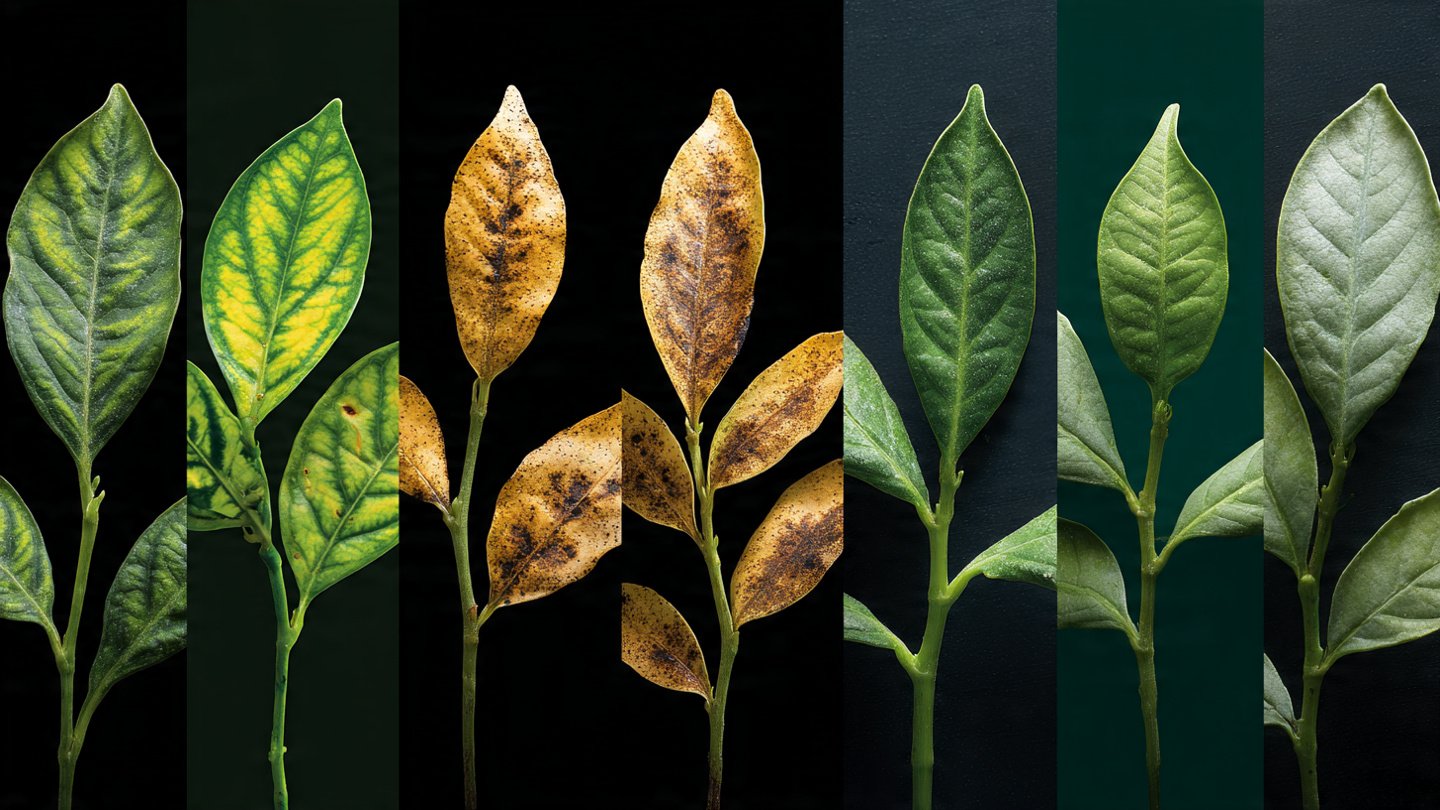
Plants, much like humans, require a balanced diet to flourish. Nutrient deficiencies can hinder growth and reduce yield, making it crucial for gardeners and farmers to identify issues early. This article delves into how to effectively identify nutrient deficiencies in plants, focusing on symptoms, diagnostic techniques, and remedial measures.
Understanding Essential Nutrients
Plants need a combination of macronutrients and micronutrients for healthy growth:
- Macronutrients: Nitrogen (N), Phosphorus (P), Potassium (K), Calcium (Ca), Magnesium (Mg), and Sulfur (S).
- Micronutrients: Iron (Fe), Manganese (Mn), Boron (B), Zinc (Zn), Copper (Cu), Molybdenum (Mo), and Chlorine (Cl).
Symptoms of Nutrient Deficiencies
Nutrient deficiencies manifest in various symptoms, often specific to the nutrient lacking. Here’s how to identify some of these common deficiencies:
Nitrogen Deficiency
Nitrogen is essential for vegetative growth. A deficiency usually results in:
- Yellowing of older leaves (chlorosis), particularly at the leaf tips.
- Stunted growth and smaller leaves.
- Poor fruit and flower formation.
Phosphorus Deficiency
Phosphorus plays a critical role in energy transfer and photosynthesis. Symptoms include:
Latest Posts
- OnePlus 15T Smartphone Unveiled – Featuring 200MP Camera, Snapdragon 8 Elite Gen 5 and Massive Battery
- Lava Yuva 5G Unveiled – 120Hz Display and Strong Performance for Everyday Use
- Nokia 1100 Launched – Premium Keypad Phone Returns at Budget Price ₹2,500
- Motorola G96 5G Unveiled – Featuring Stylish Design, Strong Performance and Advanced Camera Tech
- Vivo Y21d Unveiled – Massive 6000mAh Battery for All-Day Everyday Use
- Nothing Phone 4 Ultra 5G Launched – 16GB RAM, AI-Powered 50MP Camera and Flagship Performance
- OnePlus 5G Smartphone Launched – 300MP AI Camera, 7000mAh Battery & 100W Fast Charging
- Nothing Phone 3a Pro – High processor smartphone for gaming lovers – battery is 5000mAH
- Realme 15 Pro – 3 days battery backup smartphone with 50MP front camera under ₹28,000
- Vivo X200 FE – 12GB RAM + 256GB Storage smartphone with HD quality camera
- Dark green or purplish leaves, especially on the lower part of the plant.
- Stunted growth and delayed flowering.
- Weak root system.
Potassium Deficiency
Potassium is vital for water regulation and enzyme activity. Deficiency signs are:
- Leaf margins turning yellow/brown and curling.
- Weak stems and increased susceptibility to disease.
- Reduced fruit quality and size.
Calcium Deficiency
Calcium is crucial for cell wall structure and stability. Symptoms include:
- New growth becomes distorted (often referred to as “tip burn”), especially in leafy plants.
- Blossom end rot in tomatoes and peppers.
- Soft, weak roots.
Magnesium Deficiency
Magnesium is central to photosynthesis. Signs of deficiency include:
- Interveinal chlorosis, where yellowing occurs between leaf veins.
- Older leaves may curl upwards.
- Increased need for water.
Micronutrient Deficiencies
Micronutrient deficiencies can also be detrimental, although they are needed in smaller quantities:
- Iron Deficiency: Yellowing of younger leaves, with green veins.
- Zinc Deficiency: Small, distorted leaves with poor twig growth.
- Boron Deficiency: Stunted growth and poor fruit set.
Diagnostic Techniques
Identifying nutrient deficiencies requires careful observation and sometimes scientific methods. Here are techniques you can use:
Visual Inspection
The first step in diagnosing nutrient deficiencies is to visually inspect the plants. Note any symptoms like leaf color changes, growth rate, and overall vigor. This step can help narrow down potential deficiencies.
Soil Testing
For accurate identification of nutrient deficiencies, conducting a soil test is crucial. Soil testing provides detailed information about:
- pH levels, which affect nutrient availability.
- The levels of essential nutrients present in the soil.
- Organic matter percentage, which influences soil health.
Leaf Analysis
In addition to soil testing, conducting a leaf analysis can offer insight into the nutritional status of the plant. This method can help pinpoint specific deficiencies by comparing nutrient levels in the leaves against established norms for healthy plants.
Observation Over Time
Tracking changes over time can also be informative. Document any changes in symptoms after applying fertilizers or amendments. Note which plants respond positively or negatively.
Remedial Measures
Once a deficiency is identified, taking corrective action is essential:
Fertilization
Applying the appropriate fertilizer based on the identified deficiency is the most straightforward remedial measure. Select fertilizers that contain the nutrient in question and follow the recommended application rates.
Soil Amendments
If soil tests reveal imbalances, soil amendments, such as lime for calcium or sulfate for magnesium, can restore proper nutrient levels.
Organic Options
Utilizing compost and organic fertilizers can improve soil health and nutrient availability while also benefiting the overall ecosystem.
Adjusting Watering Practices
Over or under-watering can lead to nutrient lockout. Ensure consistent watering practices that promote healthy root systems and nutrient uptake.
Conclusion
Identifying nutrient deficiencies in plants is a process that combines observation, testing, and corrective action. By understanding the symptoms associated with specific nutrient deficiencies and utilizing proper diagnostic techniques, you can enhance your plants’ health and yield. Regular monitoring and adjustments in soil management practices can lead to thriving plants and successful yields.
Frequently Asked Questions (FAQs)
1. How often should I conduct soil tests?
Soil tests should ideally be conducted every 1-3 years, depending on the crop type and previous soil management practices.
2. Can nutrient deficiencies occur simultaneously?
Yes, multiple nutrient deficiencies can occur simultaneously, often compounded by poor growing conditions. It’s crucial to assess and address each deficiency appropriately.
3. How do I know which fertilizer to use?
Choose fertilizers specifically tailored to the nutrients that your soil tests or visual inspections indicate are deficient.
4. Are there any organic methods to address nutrient deficiencies?
Yes, using compost, well-rotted manure, and organic fertilizers like bone meal and kelp meal can help address nutrient deficiencies organically.
5. What is the best time to apply fertilizers?
The best time to apply fertilizers is during the growing season, typically in spring or early summer, when plants are actively taking up nutrients.