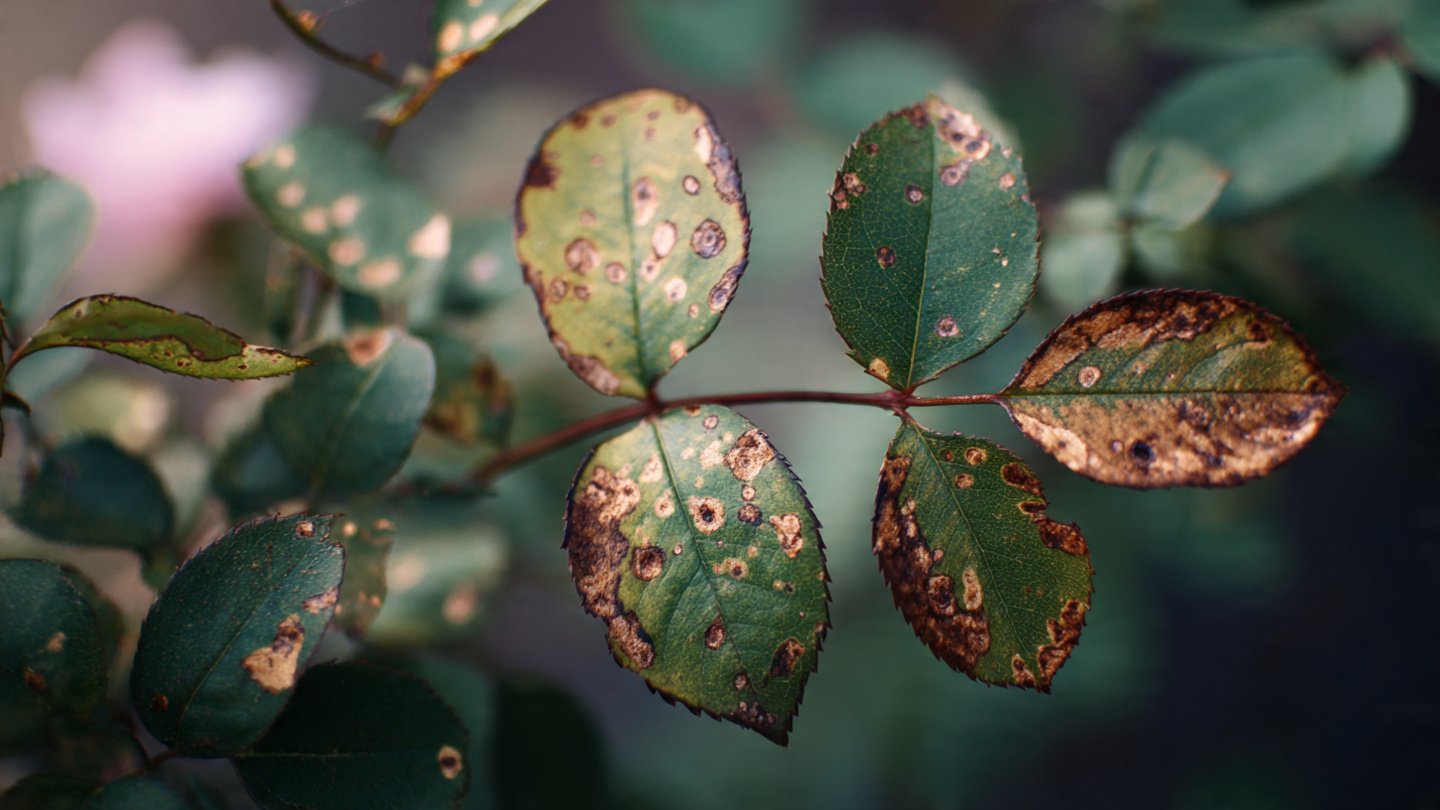
Understanding Fertilizer Burn
Fertilizer burn is a common issue faced by gardeners, particularly those who are new to plant care. It occurs when plants receive an excess of fertilizers, especially nitrogen, which can lead to a range of symptoms. Plants require nutrients for growth, but an overabundance can cause more harm than good. Understanding how to identify fertilizer burn is key to maintaining healthy flowers.
Symptoms of Fertilizer Burn
Latest Posts
- OnePlus 15T Smartphone Unveiled – Featuring 200MP Camera, Snapdragon 8 Elite Gen 5 and Massive Battery
- Lava Yuva 5G Unveiled – 120Hz Display and Strong Performance for Everyday Use
- Nokia 1100 Launched – Premium Keypad Phone Returns at Budget Price ₹2,500
- Motorola G96 5G Unveiled – Featuring Stylish Design, Strong Performance and Advanced Camera Tech
- Vivo Y21d Unveiled – Massive 6000mAh Battery for All-Day Everyday Use
- Nothing Phone 4 Ultra 5G Launched – 16GB RAM, AI-Powered 50MP Camera and Flagship Performance
- OnePlus 5G Smartphone Launched – 300MP AI Camera, 7000mAh Battery & 100W Fast Charging
- Nothing Phone 3a Pro – High processor smartphone for gaming lovers – battery is 5000mAH
- Realme 15 Pro – 3 days battery backup smartphone with 50MP front camera under ₹28,000
- Vivo X200 FE – 12GB RAM + 256GB Storage smartphone with HD quality camera
Recognizing the symptoms of fertilizer burn is the first step in addressing the issue. Common signs include:
- Leaf Margins Turning Brown: One of the most noticeable signs of fertilizer burn is the browning of the leaf edges. This can happen as excess salts from fertilizers accumulate in the soil.
- Curling Leaves: Leaves may begin to curl or wilt due to stress from high salt concentration. Curling can be upwards or downwards, often depending on the plant type.
- Wilting: Even with adequate watering, plants experiencing fertilizer burn may look wilty due to the stress on tissue cells.
- Slow Growth: Affected plants may exhibit stunted growth or fail to produce new blossoms.
- Burnt Leaf Tips: If the tips of the leaves are brown and crunchy, it’s a clear indication that the plant is suffering from nutrient overload.
Causes of Fertilizer Burn
Fertilizer burn is primarily caused by a few key factors:
- Excessive Application: Using more fertilizer than recommended can lead to high salt concentrations in the soil.
- Incorrect Type of Fertilizer: Some fertilizers can be too strong or concentrated for delicate flower plants.
- Poor Watering Practices: Insufficient watering after fertilization can result in the salts accumulating in the soil.
- Compacted Soil: Compacted soil can limit water absorption, making it harder for plants to utilize nutrients safely.
How to Prevent Fertilizer Burn
Preventing fertilizer burn involves several proactive measures:
- Follow Recommended Dosages: Always adhere to the instructions provided on fertilizer packages. Avoid guessing the amounts.
- Choose the Right Fertilizers: Opt for slow-release fertilizers that are less likely to cause burn, especially for sensitive flower varieties.
- Water Thoroughly: Ensure that you water your plants well after applying fertilizer. This helps to wash excess salts away from the root zone.
- Test Your Soil: Periodically test the soil to understand its nutrient content and pH levels. This helps in determining the right fertilizer type and amount.
Identifying Fertilizer Burn in Flower Leaves
Identifying fertilizer burn requires close observation of your plant’s leaves. Here’s a step-by-step guide to help you:
- Check the Leaf Color: Look for yellowing or browning, particularly on the edges. Healthy leaves should be vibrant and green.
- Inspect the Leaf Texture: Feel the leaves. If they are dry and brittle at the tips, it may indicate burn from fertilizers.
- Examine Leaf Shape: Observe any curling or wilting. Leaves should be firm and upright, not limp or curled.
- Monitor Growth Patterns: If your flowers normally bloom in a particular season but fail to do so, it could signal stress from excess fertilizers.
- Analyze Soil Moisture: Check if your soil remains overly dry even after watering; this could suggest fertilizer-related issues.
What to Do If Your Plants Are Suffering
If you suspect fertilizer burn, take immediate action to mitigate the damage:
- Flush the Soil: Water the plants deeply to help wash away excess salts. Ensure that the water drains properly.
- Stop Fertilizing: Temporarily halt any fertilizer applications until the plant shows signs of recovery.
- Remove Damaged Leaves: Prune away severely damaged leaves to allow the plant to focus its energy on new growth.
- Improve Soil Condition: Consider adding organic matter to improve soil health and drainage, which helps in nutrient absorption.
- Consult Gardening Experts: If you’re unsure about the steps to take, reach out to local gardening clubs or online forums for specific advice.
Conclusion
Identifying and addressing fertilizer burn in flower leaves is crucial for maintaining healthy plants. By understanding the symptoms and causes, as well as implementing preventive measures, you can ensure that your flowers thrive rather than suffer from nutrient overload. Regular observation and adjusted care practices will lead to lush, vibrant blooms in your garden.
Frequently Asked Questions (FAQs)
1. How long does it take for a plant to recover from fertilizer burn?
Recovery times can vary depending on the severity of the burn and plant type, but with proper care, many plants can show improvement within a few weeks.
2. Can all plants experience fertilizer burn?
Yes, while some plants are more tolerant than others, most can experience fertilizer burn if over-fertilized.
3. Is it possible to prevent fertilizer burn entirely?
While it may not be possible to prevent it entirely, following proper fertilization guidelines significantly reduces the risk.
4. What types of flowers are most susceptible to fertilizer burn?
Delicate flowers such as petunias, pansies, and impatiens tend to be more sensitive to excess fertilizers compared to hardier plants.
5. Should I use liquid or granular fertilizers to avoid burn?
Slow-release granular fertilizers are often safer and can help mitigate the risk of burn compared to quick-release liquid fertilizers, particularly for sensitive plants.