Creating a garden is much more than simply planting flowers and vegetables; it serves as a direct gateway to nature, connecting humans with the intricate systems and cycles that govern the natural world. Through the act of gardening, people cultivate not just plants but also a deeper understanding of ecological relationships, biodiversity, and the life processes that sustain the planet. This article delves into the multifaceted role gardens play in connecting us to nature, exploring their ecological benefits, psychological effects, and cultural significance.
One of the most profound ways a garden serves as a gateway to nature is by fostering biodiversity. Gardening encourages a variety of plant species, attracting various forms of wildlife, including insects, birds, and mammals. By creating habitats that support these organisms, gardeners contribute to the preservation of local ecosystems. For example, a garden that includes native plants provides food and shelter for local pollinators such as bees, butterflies, and hummingbirds. These species are integral to the pollination of many crops and wild plants, illustrating how even small gardens can play a significant role in the greater ecological web.
Moreover, by choosing to plant native species, gardeners can enhance their local biodiversity while simultaneously reducing maintenance and the need for chemical fertilizers or pesticides. Native plants are adapted to local soil, climate, and wildlife, making them more resilient and less resource-intensive. This symbiotic relationship not only helps sustain local ecosystems but also sets a precedent for responsible gardening practices, encouraging others in the community to follow suit.
Gardens are also important for soil health, which is crucial for the broader environmental context. Healthy soil is a living, dynamic ecosystem teeming with microorganisms, fungi, and other organisms that contribute to soil fertility and structure. Techniques such as composting, mulching, and crop rotation enhance soil quality and encourage biodiversity within the soil ecosystem. Through gardening, individuals learn about the life cycles of plants and the symbiotic relationships between roots and soil microorganisms, gaining insight into essential ecological processes.
Water conservation is another critical aspect of gardening that connects us to the environment. Many gardens incorporate practices that optimize water use, such as rainwater harvesting, drip irrigation, and the strategic placement of plants to reduce runoff. These practices enable gardeners to witness firsthand the effects of climate change on water availability, pushing them to become more conscious of their water consumption and to advocate for sustainable solutions.
The psychological benefits of gardening also serve as a gateway to nature, providing an escape from the urban environment and a chance to slow down. Research has demonstrated that spending time in nature can significantly reduce stress, anxiety, and depression. Gardening, in particular, allows individuals to engage physically and mentally with the natural world, promoting mindfulness as they focus on planting, nurturing, and harvesting. The act of digging in the soil can be meditative, creating an intimate connection with the earth that revitalizes the spirit.
Moreover, gardening fosters a sense of responsibility and stewardship toward the environment. As people invest time and effort into cultivating a garden, they begin to appreciate the delicate balance of ecosystems and the importance of sustainable practices. This nurturing role can inspire individuals to become environmental advocates, encouraging them to take action beyond their gardens to support broader ecological initiatives, such as local clean-up campaigns, reforestation projects, or wildlife conservation efforts.
Gardeners also become more attuned to the seasonal cycles and changes in their environment. Through observing plant growth, blooming periods, and the arrival and departure of migratory birds, individuals develop an acute awareness of the rhythms of nature. This knowledge fosters a deeper respect for seasonal transitions and encourages more sustainable living. For instance, gardeners may become more inclined to consume seasonal produce, thereby reducing their carbon footprint associated with transportation and promoting local agriculture.
Culturally, gardens serve as a reflection of diverse traditions and practices, underscoring humanity’s historical relationship with nature. Many traditional gardens encapsulate the agricultural practices and beliefs of various cultures, showcasing how different societies have adapted to their environment. For instance, the Japanese Zen garden emphasizes simplicity and tranquility, promoting contemplation and harmony with nature. In contrast, the vibrant colors and intricate designs of a Mediterranean garden highlight the importance of flora in culinary arts and social gatherings.
Throughout history, gardens have also played a role in spiritual and religious practices, often symbolizing paradise, fertility, and connection to the divine. Sacred gardens, often found in religious sites, represent a physical manifestation of the divine relationship between humanity and nature. These gardens invite contemplation and reflection, serving as reminders of the interconnectedness of all life forms.
Community gardens provide another layer of connection to nature, serving as social crucibles where individuals from diverse backgrounds come together. They foster community spirit and collaboration, enabling people to share knowledge, resources, and labor while engaging with the natural world. These spaces often reflect the cultural heritage of the participants, showcasing varied gardening styles and practices that highlight the rich tapestry of human connection to nature. Community gardens also address food deserts by providing fresh produce to urban areas, illustrating the intersection of social, environmental, and health issues.
The trend towards urban gardening has grown significantly, reflecting a shift in awareness regarding food security, sustainability, and urban greening. Rooftop gardens, vertical gardens, and urban allotments not only beautify cities but also contribute to improved air quality, reduced urban heat, and enhanced biodiversity. These gardens serve as ecological pockets amid concrete jungles, creating refuge for various species while providing urban residents with access to nature.
In addition to direct interactions with plants and wildlife, gardens often serve as educational tools, igniting curiosity and fostering a sense of wonder about the natural world. Schools and community organizations that establish gardens for educational purposes provide children and families with hands-on learning experiences about ecology, biology, and nutrition. These experiences help foster a lifelong appreciation for nature, encouraging individuals to become more conscious of their environmental impact.
Furthermore, gardening as a hobby allows individuals to dive deeper into the science of botany. Many gardeners become enthusiasts, learning about plant families, soil composition, pest management, and even landscape design. This exploration enriches their understanding of the natural world and highlights the complexities of ecological interactions.
The local flora and fauna observed within gardens also serve as indicators of broader ecological health. As gardeners become more observant, they may notice changes in plant health, insect populations, or the appearance of new species, prompting them to consider the effects of climate change, pollution, and habitat loss. This elevated awareness cultivates a sense of responsibility to protect and preserve the environment, extending beyond the confines of their gardens.
Engagement with community gardening and restoration projects can also bolster social connections and empower marginalized voices, illustrating how gardens transcend mere aesthetics to address social issues. Many community gardens work to promote inclusivity and accessibility, allowing individuals to forge bonds over shared experiences and collective goals. This investment in community fosters resilience and promotes a sense of belonging, largely influenced by their connection to the local landscape.
Gardens also serve as a reminder of the past while shaping the future. Heirloom varieties of plants remind us of agricultural history, fostering a sense of continuity with previous generations. As gardeners nurture these plants, they contribute to the preservation of genetic diversity, ensuring that future generations will have access to a wider range of crops. This fortification of biodiversity is crucial in the face of climate change and increasing food insecurity, enabling communities to adapt to future challenges.
In conclusion, gardens are far more than mere patches of soil adorned with flowers and vegetables; they are vital connections to the natural world, serving as gateways to understanding biodiversity, ecology, and the interconnectedness of life. Through gardening, individuals foster a deeper appreciation for nature, engage in sustainable practices, and contribute to community well-being. The psychological, cultural, and educational benefits of gardening enrich the human experience, highlighting the essential role gardens play in our lives and their capacity to inspire personal and collective responsibility toward the environment. By embracing gardening as a pathway to nature, we can cultivate not only our gardens but also a more harmonious relationship with the complex web of life that sustains us all.
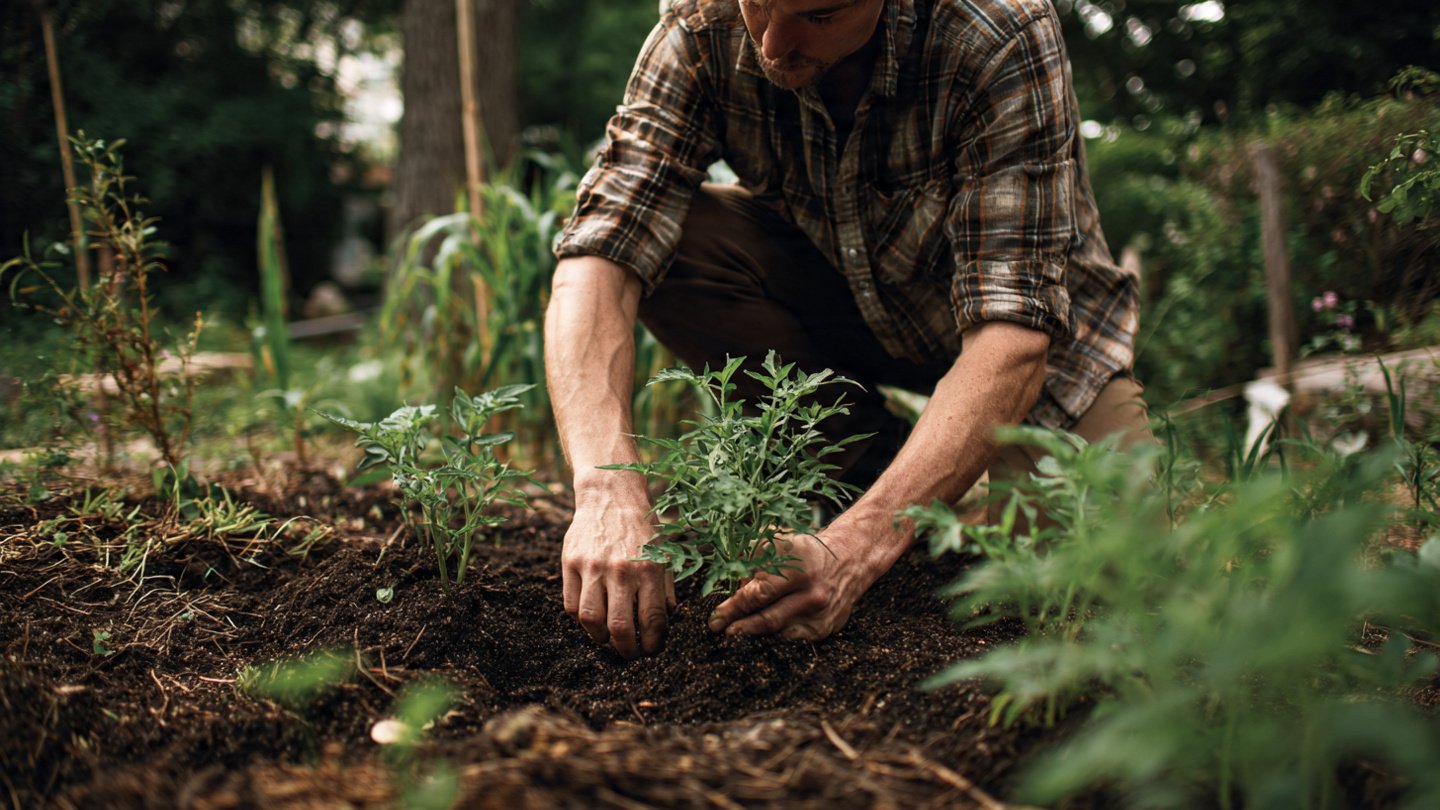
How Gardening Helps You Connect with Nature
OnePlus 15T Smartphone
Lava Yuva 5G Smartphone
Nokia 1100 Premium Keypad Phone
Motorola G96 5G Smartphone
Vivo Y21D Smartphone
Nothing Phone 4 Ultra 5G
OnePlus 5G Smartphone
Nothing Phone 3A Pro
Realme 15 Pro Smartphone
Vivo X200 FE Smartphone
Motorola 5G Smartphone
Nokia New Keypad Phone
Redmi Note 15 Pro 5G
Infinix Note 60 Pro Plus
Infinix Premium 5G 2026
Redmi Note Pro Series
RedMagic 11 Air Gaming Phone
OnePlus Ultra Premium 5G
OnePlus New 5G Smartphone
iQOO 5G Gaming Smartphone
OnePlus Premium 5G Smartphone
Vivo 2026 5G Smartphone
Oppo Reno 5G Smartphone
Oppo K13 Turbo 5G
Oppo Premium 5G Smartphone
Vivo T4R 5G Smartphone
Oppo New 5G Smartphone
Redmi Note 16 5G
Nokia Oxygen Ultra 5G
Samsung Galaxy A36 5G