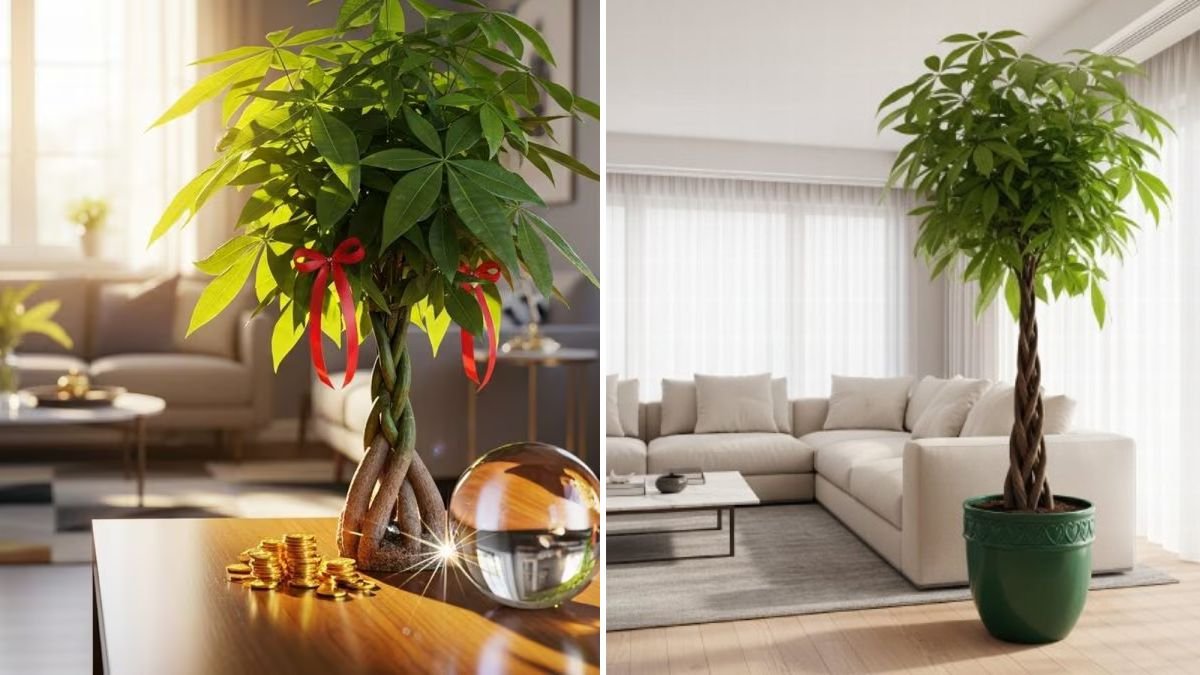
The money tree plant is widely believed to attract wealth, positivity, and prosperity when cared for properly. This plant, scientifically known as Pachira aquatica, is popular in homes and offices due to its braided trunk and glossy green leaves. Beyond its beauty, it is valued for its low-maintenance nature and adaptability to indoor conditions. Many people place it according to Feng Shui principles to enhance financial luck and harmony. Proper care is essential to keep the plant healthy and long-lasting. When nurtured well, the money tree becomes a living symbol of growth and stability. Understanding its needs helps avoid common mistakes that cause stress or leaf drop. This guide explains every aspect of money tree care in a clear and practical way.
Understanding the Money Tree Plant and Its Natural Habitat
The money tree originates from Central and South America, where it grows in swampy regions with warm temperatures. In nature, it can reach impressive heights and develop strong trunks. Indoor money trees are smaller but retain the same resilience and adaptability. The braided trunk seen in homes is usually created by growers when the plant is young. This structure does not occur naturally in the wild but adds to its ornamental value. Knowing its tropical background helps replicate ideal growing conditions indoors. Warmth, indirect light, and moderate watering mimic its native environment. This understanding forms the foundation of successful money tree care.
Choosing the Right Location for Maximum Growth and Luck
Placement plays a major role in the health and symbolism of a money tree plant. Bright, indirect sunlight is ideal because harsh direct sun can scorch the leaves. A spot near an east-facing window works well for most homes. In offices, placing the plant near natural light sources improves growth and appearance. Feng Shui recommends placing it in the wealth corner, usually the southeast area of a room. Good air circulation helps prevent pests and fungal problems. Avoid placing the plant near heaters or air conditioners. A stable environment supports steady growth and positive energy.
Light Requirements for Healthy and Vibrant Leaves
Money trees thrive in bright but filtered light conditions throughout the day. Too little light can slow growth and cause pale or dropping leaves. Excessive direct sunlight may lead to leaf burn and dryness. If natural light is limited, artificial grow lights can be used successfully. Rotate the plant occasionally so all sides receive even light exposure. Consistent lighting encourages balanced leaf development and strong stems. Seasonal changes in light should be monitored carefully. Adjusting placement during winter months helps maintain plant health.
Watering a Money Tree the Right Way
Proper watering is one of the most important aspects of money tree care. Overwatering is a common mistake that leads to root rot and yellowing leaves. The soil should be allowed to dry slightly between waterings. Water deeply until excess drains out from the bottom of the pot. Empty the saucer to prevent standing water around the roots. During warmer months, watering may be more frequent due to faster growth. In winter, reduce watering as the plant enters a slower growth phase. Consistent but moderate watering keeps the plant strong and vibrant.
Latest Posts
- OnePlus 15T Smartphone Unveiled – Featuring 200MP Camera, Snapdragon 8 Elite Gen 5 and Massive Battery
- Lava Yuva 5G Unveiled – 120Hz Display and Strong Performance for Everyday Use
- Nokia 1100 Launched – Premium Keypad Phone Returns at Budget Price ₹2,500
- Motorola G96 5G Unveiled – Featuring Stylish Design, Strong Performance and Advanced Camera Tech
- Vivo Y21d Unveiled – Massive 6000mAh Battery for All-Day Everyday Use
- Nothing Phone 4 Ultra 5G Launched – 16GB RAM, AI-Powered 50MP Camera and Flagship Performance
- OnePlus 5G Smartphone Launched – 300MP AI Camera, 7000mAh Battery & 100W Fast Charging
- Nothing Phone 3a Pro – High processor smartphone for gaming lovers – battery is 5000mAH
- Realme 15 Pro – 3 days battery backup smartphone with 50MP front camera under ₹28,000
- Vivo X200 FE – 12GB RAM + 256GB Storage smartphone with HD quality camera
Best Soil Mix for Strong Roots and Stability
A well-draining soil mix is essential for money tree health. A combination of potting soil, perlite, and sand provides good aeration. This mix prevents water from accumulating around the roots. Heavy or compacted soil can suffocate roots and encourage disease. Choosing a slightly acidic to neutral soil pH supports nutrient absorption. Repotting with fresh soil every few years revitalizes the plant. Good soil structure promotes healthy root expansion. Strong roots lead to lush foliage and long-term plant success.
Ideal Temperature and Humidity Levels
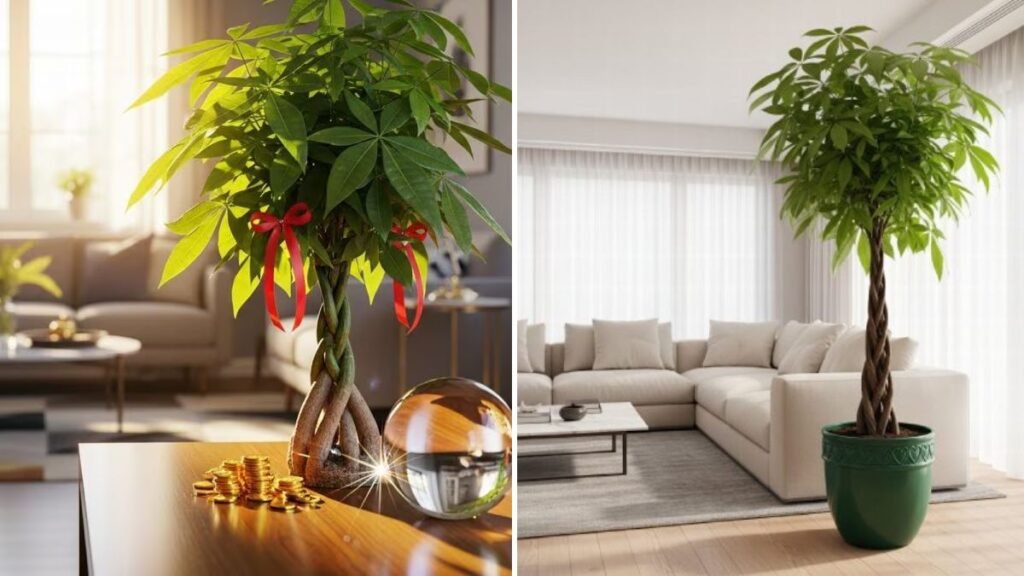
Money trees prefer warm indoor temperatures similar to their tropical origins. The ideal temperature range is between 18 and 27 degrees Celsius. Sudden temperature drops can stress the plant and cause leaf loss. Moderate to high humidity supports healthy leaf development. Dry indoor air may cause brown leaf tips. Using a humidifier or misting occasionally can help. Grouping plants together also increases humidity naturally. Stable conditions ensure steady growth and visual appeal.
Fertilizing for Steady Growth and Prosperity
Regular feeding helps a money tree maintain healthy leaves and stems. A balanced liquid fertilizer diluted to half strength works well. Fertilize once a month during spring and summer. Avoid over-fertilizing, as it can damage roots and cause leaf burn. During fall and winter, fertilization should be reduced or stopped. Organic fertilizers can also be used for gentle nutrient release. Proper feeding supports long-term vitality. Healthy growth reflects positive energy and abundance.
Pruning and Shaping the Money Tree
Pruning helps maintain the desired shape and size of the money tree plant. Remove yellow, damaged, or overcrowded leaves regularly. This encourages new growth and improves airflow around the plant. Pruning can be done during the growing season for best results. Use clean, sharp tools to prevent disease transmission. Trimming long stems keeps the plant compact and balanced. Shaping also enhances its decorative appeal. A well-maintained plant looks vibrant and prosperous.
Repotting: When and How to Do It Safely
Repotting is necessary when the plant outgrows its container or roots become crowded. Signs include slow growth and roots emerging from drainage holes. Choose a pot slightly larger than the current one. Ensure the new pot has proper drainage holes. Repot during spring for minimal stress. Gently loosen roots and refresh the soil mix. Proper repotting encourages renewed growth and stability.
Common Problems and How to Fix Them
Money tree plants can face issues like yellow leaves, leaf drop, or pests. Overwatering is the most common cause of yellowing leaves. Adjust watering habits to resolve this problem. Pests such as spider mites or mealybugs can be treated with neem oil. Low humidity often causes brown leaf tips. Improving environmental conditions usually solves most issues. Early detection prevents serious damage. Regular observation keeps the plant healthy.
Table: Quick Money Tree Care Guide
Light bright indirect sunlight moderate daily exposure Watering allow soil to dry slightly between watering sessions Soil well draining potting mix with perlite or sand Temperature warm indoor range between eighteen and twenty seven degrees Fertilizer balanced liquid fertilizer once a month in growing season Humidity moderate to high indoor humidity preferred
Feng Shui Placement Tips for Money Tree Plants
Feng Shui principles emphasize placement for attracting prosperity. The southeast corner of a room is associated with wealth energy. Placing the plant near an entrance symbolizes welcoming abundance. Avoid placing it in cluttered or dark spaces. Clean surroundings enhance positive energy flow. A healthy plant represents growth and opportunity. Intentional placement aligns aesthetics with symbolism. Careful positioning enhances both beauty and belief.
Money Tree Care in Office Environments
Office conditions can be challenging due to artificial lighting and air conditioning. Choose a spot with indirect light and stable temperature. Avoid placing the plant near vents or heaters. Water carefully to prevent overwatering in cooler environments. Dust leaves regularly to maintain photosynthesis. A healthy office money tree improves air quality and morale. It also adds a calming natural element. Proper care ensures long-term success at workspaces.
Seasonal Care Adjustments Throughout the Year
Money tree care should adapt to seasonal changes. Growth increases in spring and summer, requiring more water and nutrients. In autumn, gradually reduce feeding and watering. Winter dormancy means minimal maintenance is needed. Monitor light exposure during shorter days. Adjust humidity to counter dry indoor air. Seasonal awareness prevents stress and decline. Consistency supports year-round beauty.
Propagating Money Tree Plants at Home
Propagation is possible through stem cuttings during the growing season. Choose a healthy stem with several leaf nodes. Place it in water or moist soil until roots develop. Keep the cutting in warm, bright conditions. Root development may take several weeks. Once established, transplant into a small pot. Propagation allows you to share prosperity with others.
Long-Term Benefits of Proper Money Tree Care
A well-cared-for money tree can live for many years indoors. It provides consistent greenery and decorative value. Healthy plants improve indoor air quality and ambiance. Many people find joy in nurturing a living symbol of growth. Consistent care builds a strong connection with nature. Over time, the plant becomes part of daily life. Its presence reflects patience and dedication. Long-term care rewards both visually and emotionally.