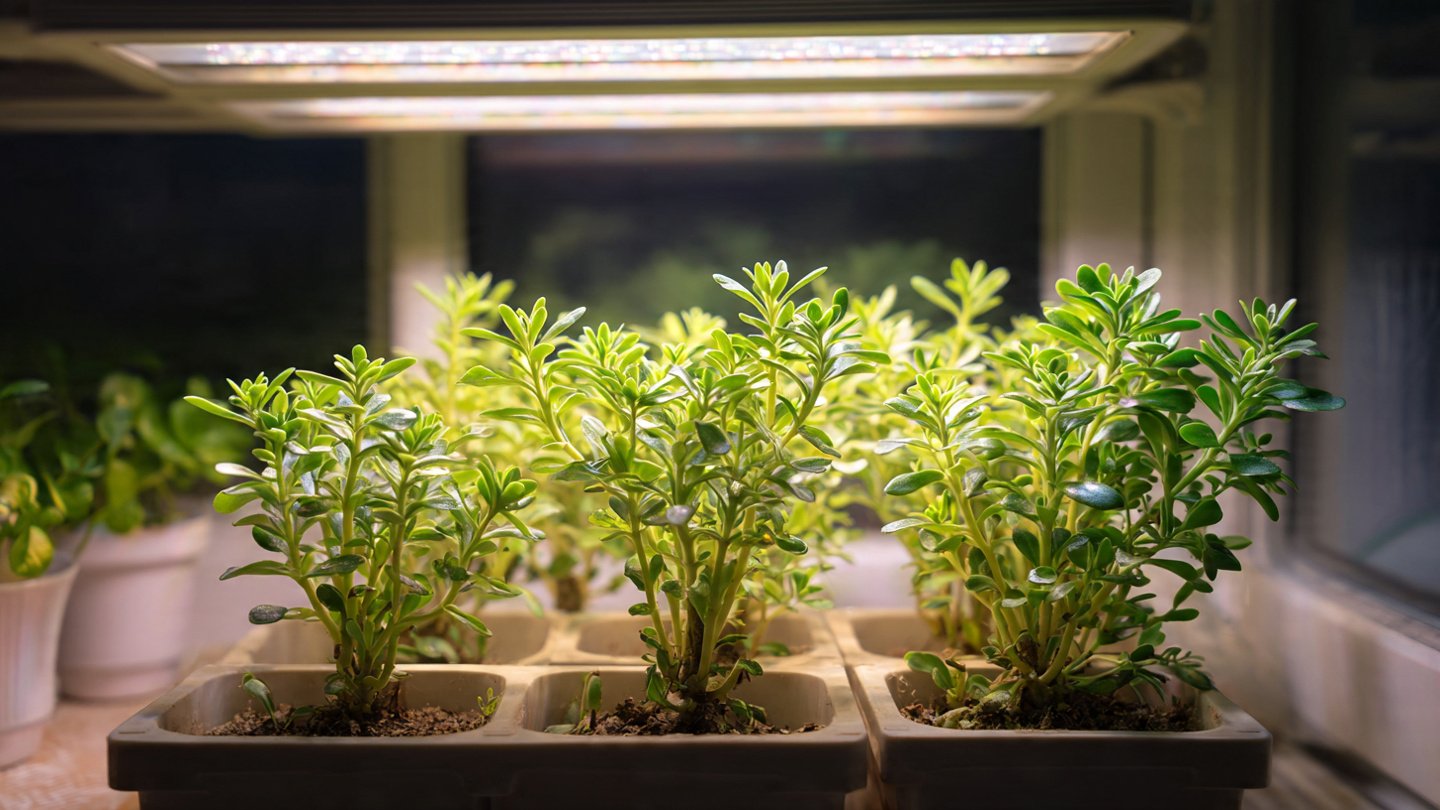
Portulaca, commonly known as moss rose or purslane, is a resilient succulent known for its vibrant flowers and adaptability. Growing portulaca indoors can be particularly rewarding, as it thrives in areas with lots of sunlight while adding color to your indoor space. However, successfully cultivating this plant indoors under artificial light requires understanding its specific needs, the types of lighting available, and the methods best suited for your home. This article will provide a comprehensive guide to help you choose the best method to grow portulaca indoors under light.
Understanding Portulaca
Before diving into the methods of indoor cultivation, it’s important to understand portulaca itself:
Characteristics
- Light Requirements: Portulaca prefers a lot of sunlight, needing around six hours of direct light each day.
- Soil Preference: It thrives in well-draining soil, often a cactus or succulent mix.
- Water Needs: Being a succulent, it requires infrequent watering, particularly in a pot with good drainage.
- Temperature Tolerance: While portulaca enjoys warm temperatures, it can tolerate a range from moderate warmth to cooler conditions.
Benefits of Growing Portulaca Indoors
- Aesthetic Appeal: The colorful blooms add a decorative touch to any indoor setting.
- Air Quality: Plants contribute to improved air quality by absorbing toxins.
- Low Maintenance: Portulaca is relatively easy to care for compared to other flowering plants.
Choosing the Right Type of Light
Natural Light vs. Artificial Light
When considering growing portulaca indoors, the first decision involves the light source:
1. Natural Light:
- Pros: It’s free and usually sufficient for healthy growth. Placing pots near windows can provide direct sunlight.
- Cons: Seasonal changes may affect light availability. Not all homes have windows that receive adequate sunlight.
2. Artificial Light:
- Pros: Provides a consistent light source year-round. You can control the light duration and intensity.
- Cons: These systems can consume electricity and require an initial investment.
Types of Artificial Light
If you decide on using artificial lights, consider the types:
1. Fluorescent Lights:
- Usage: Commonly used for starting seedlings.
- Wattage: Generally ranges from 15 to 40 watts.
- Pros: Affordable, energy-efficient, and effective at promoting growth.
- Cons: Lacks the full spectrum of light.
2. LED Grow Lights:
- Usage: Ideal for all growth stages and energy-efficient.
- Pros: These lights are long-lasting and emit a full spectrum of light, beneficial for robust growth.
- Cons: Higher initial cost compared to fluorescent lights.
3. Incandescent Bulbs:
- Usage: Less common but can be used for limited space.
- Pros: Readily available.
- Cons: Generate a lot of heat and are not energy-efficient. They also provide a limited light spectrum.
Finding the Right Light Spectrum
Portulaca plants thrive with a full-spectrum light source that mimics natural sunlight. In artificial fixtures, look for a balance of blue light (for vegetative growth) and red light (for flowering). The general recommendation is a 4:1 ratio of red to blue light for optimal blooming.
Latest Posts
- OnePlus 15T Smartphone Unveiled – Featuring 200MP Camera, Snapdragon 8 Elite Gen 5 and Massive Battery
- Lava Yuva 5G Unveiled – 120Hz Display and Strong Performance for Everyday Use
- Nokia 1100 Launched – Premium Keypad Phone Returns at Budget Price ₹2,500
- Motorola G96 5G Unveiled – Featuring Stylish Design, Strong Performance and Advanced Camera Tech
- Vivo Y21d Unveiled – Massive 6000mAh Battery for All-Day Everyday Use
- Nothing Phone 4 Ultra 5G Launched – 16GB RAM, AI-Powered 50MP Camera and Flagship Performance
- OnePlus 5G Smartphone Launched – 300MP AI Camera, 7000mAh Battery & 100W Fast Charging
- Nothing Phone 3a Pro – High processor smartphone for gaming lovers – battery is 5000mAH
- Realme 15 Pro – 3 days battery backup smartphone with 50MP front camera under ₹28,000
- Vivo X200 FE – 12GB RAM + 256GB Storage smartphone with HD quality camera
Methods of Growing Portulaca Indoors Under Light
1. Container Gardening
Guidelines:
- Choose the Right Container: Use pots with drainage holes to prevent oversaturation. Terracotta pots are ideal due to their porous nature.
- Soil Choice: Opt for a cactus or succulent mix. You can also create a mix by combining potting soil with sand and perlite.
- Planting: Space the plants sufficiently to allow airflow, preventing fungal issues.
Maintenance:
- Watering: Allow the soil to dry out between waterings. Over-watering is a common mistake.
- Light Placement: Position the plants close to your light source, ensuring they receive 12-16 hours of light daily if using artificial lighting.
2. Hydroponic Systems
Portulaca can also thrive in hydroponic systems, which involve growing plants in a nutrient solution rather than soil.
Guidelines:
- System Choice: Consider a simple Deep Water Culture (DWC) or Nutrient Film Technique (NFT) for beginners.
- Nutrient Solution: Use a balanced nutrient solution suitable for succulents.
- Light: Ensure the hydroponic setup receives ample light, particularly if placed in a dimly lit area.
Maintenance:
- Monitoring pH: Regularly check and adjust the pH level of your nutrient solution to around 6.0 to 6.5 for optimal nutrient uptake.
- Feeding: Replace the nutrient solution periodically, generally every two weeks.
3. Terrariums
Terrariums can offer an aesthetically pleasing way to grow portulaca while providing an appropriate environment.
Guidelines:
- Container Choice: Use a glass container that allows light penetration. It can be open or closed based on humidity preferences.
- Layering: Begin with rocks for drainage, then activate charcoal to prevent odors, followed by the succulent mix.
- Plant Arrangement: Consider the space needed for growth; avoid overcrowding.
Maintenance:
- Watering: Depending on the enclosure, you may need to water less frequently. A closed terrarium retains humidity longer.
- Light Needs: Position in a location with bright, indirect sunlight, or supplement with artificial lights.
4. Vertical Gardens
If space is a concern, vertical gardening might be the perfect solution.
Guidelines:
- Structure: Use wall planters, pocket planters, or repurposed shelving units.
- Light Exposure: Ensure that the vertical garden is placed where it can receive adequate light. Artificial lighting can also be installed in these setups.
Maintenance:
- Irrigation: Ensure that each pocket or container has adequate drainage. You may want to install a wick system to keep plants hydrated without waterlogging.
- Light Management: Rotate plants occasionally to ensure all sides receive light.
Factors to Consider
1. Space Availability
Evaluate how much space you have. A small kitchen sill may be best suited for container gardening, while larger spaces could accommodate vertical gardens or terrariums.
2. Lighting Conditions
Measure the amount of natural light available in your home. If sunlight is scarce, investing in high-quality grow lights might be necessary.
3. Time Commitment
Assess how much time you can dedicate to plant care. Some methods, like hydroponics, might require more attention initially.
4. Budget Constraints
Consider your budget. While growing portulaca can be inexpensive, some setups, particularly hydroponics and LED fixtures, may involve initial costs.
Frequently Asked Questions (FAQs)
1. How often should I water my portulaca indoors?
Water only when the soil is dry to the touch. Typically, this may be once a week in warmer months and less frequently during cooler months.
2. Can I start portulaca from seeds indoors?
Absolutely! Starting from seeds indoors can be rewarding. Use seed trays with a light soil mix and keep them under a grow light for the best results.
3. What are common pests that affect portulaca?
Watch out for aphids and mealybugs. Regularly inspect your plants, and use diluted insecticidal soap if an infestation occurs.
4. How long does it take for portulaca to bloom?
From seed germination to flowering, portulaca typically takes around 6 to 8 weeks, depending on the conditions.
Conclusion
Choosing the best method to grow portulaca indoors under light involves understanding the plant’s unique needs, the available light options, and the space at your disposal. From conventional container gardening to hydroponics, each method offers various benefits depending on your lifestyle and available resources. With attention to light, soil, and water, portulaca can thrive indoors, bringing beauty and color to your living spaces throughout the year. Experiment with these methods to discover what works best for you, and enjoy the rewarding experience of growing this vibrant succulent indoors!