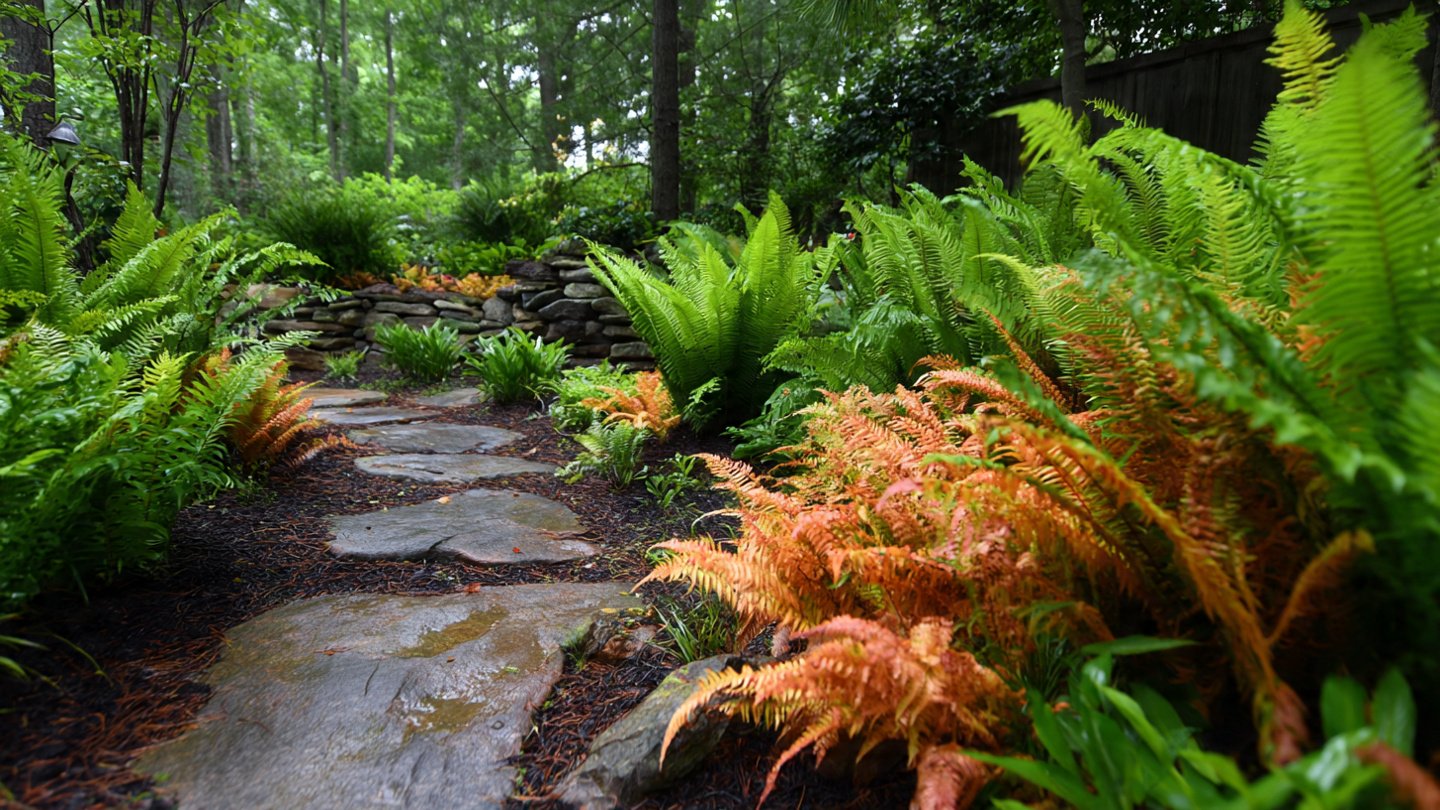
Creating an outdoor fern garden can add a lush, tropical feel to your landscape while also requiring relatively low maintenance. Ferns are versatile plants that thrive in various conditions, making them suitable for various garden styles, from shaded woodland retreats to contemporary minimalist spaces. This comprehensive step-by-step guide will provide you with everything you need to know to create the best outdoor fern garden.
Table of Contents
- Understanding Ferns
- Planning Your Fern Garden
- Choosing the Right Location
- Selecting Fern Varieties
- Soil Preparation
- Planting Your Ferns
- Maintenance Tips
- Enhancing Your Fern Garden’s Aesthetic
- Troubleshooting Common Issues
- Conclusion
1. Understanding Ferns
Ferns are ancient plants that belong to the Pteridophyta family, characterized by their feathery, divided leaves called fronds. These plants reproduce through spores rather than seeds, giving them a unique charm. Ferns flourish in moist, shaded environments, making them ideal for gardens that mimic these forest-like conditions.
2. Planning Your Fern Garden
Before you dive into planting, it’s essential to plan your garden thoughtfully. Consider the following questions:
- What is the size of your garden? Measure the area to understand how many ferns you can plant.
- What is your climate zone? This will determine the types of ferns that can thrive in your garden.
- What is your garden’s style? Do you want a minimalist design or a lush green explosion? This decision will influence your plant choices and layout.
3. Choosing the Right Location
Ferns thrive in specific environments, so selecting an appropriate location is crucial. Here’s what to look for:
- Light Conditions: Most ferns prefer partial to full shade. If your garden receives ample sunlight, consider planting ferns that can tolerate more sun exposure, such as the Boston fern.
- Humidity and Moisture: Ferns love moisture, so areas with higher humidity levels or dappled shade are ideal. If your garden is arid, consider installing a drip irrigation system.
- Accessibility: Choose a spot that allows you to easily maintain your plants without trampling over them.
4. Selecting Fern Varieties
The next step is to choose the right fern varieties for your outdoor garden. Here are ten popular options:
Latest Posts
- OnePlus 15T Smartphone Unveiled – Featuring 200MP Camera, Snapdragon 8 Elite Gen 5 and Massive Battery
- Lava Yuva 5G Unveiled – 120Hz Display and Strong Performance for Everyday Use
- Nokia 1100 Launched – Premium Keypad Phone Returns at Budget Price ₹2,500
- Motorola G96 5G Unveiled – Featuring Stylish Design, Strong Performance and Advanced Camera Tech
- Vivo Y21d Unveiled – Massive 6000mAh Battery for All-Day Everyday Use
- Nothing Phone 4 Ultra 5G Launched – 16GB RAM, AI-Powered 50MP Camera and Flagship Performance
- OnePlus 5G Smartphone Launched – 300MP AI Camera, 7000mAh Battery & 100W Fast Charging
- Nothing Phone 3a Pro – High processor smartphone for gaming lovers – battery is 5000mAH
- Realme 15 Pro – 3 days battery backup smartphone with 50MP front camera under ₹28,000
- Vivo X200 FE – 12GB RAM + 256GB Storage smartphone with HD quality camera
- Boston Fern (Nephrolepis exaltata): Known for its lush fronds, it thrives in humid environments and partial shade.
- Maidenhair Fern (Adiantum): This delicate fern has fine, wiry stems and requires moist conditions.
- Japanese Painted Fern (Athyrium niponicum): Characterized by its vibrant coloring, this fern prefers part-shade.
- Ostrich Fern (Matteuccia struthiopteris): Known for its robust fronds, it can thrive in wetter soils.
- Lady Fern (Athyrium filix-femina): This fern is easy to grow and adapts well to various light conditions.
- Eagle Fern (Pteridium aquilinum): This hardy fern can tolerate a bit of sun and is drought-resistant once established.
- Christmas Fern (Polystichum acrostichoides): It maintains its green color year-round and is an excellent choice for winter interest.
- Staghorn Fern (Platycerium): Often grown mounted on wood, it adds a unique visual element to your garden.
- Sensitive Fern (Onoclea sensibilis): Preferring moist, shady areas, this fern is known for its sensitivity to changing conditions.
- Asplenium (Asplenium nidus): Also known as the Bird’s Nest Fern, it has a unique rosette shape and prefers humid conditions.
By mixing these varieties, you can create a garden that features diverse textures and colors.
5. Soil Preparation
Soil quality plays a crucial role in the health of your ferns. Follow these steps for optimal soil preparation:
- Test Your Soil: Before planting, test the soil pH (ideal for ferns is between 5.5 to 7). You can buy soil testing kits at garden centers.
- Improve Drainage: Mix organic matter, such as compost or peat moss, into the soil. This will improve drainage while retaining moisture.
- Remove Weeds: Clear the area of any existing weeds or debris, as they will compete with your ferns for nutrients and moisture.
6. Planting Your Ferns
With your planning and soil preparation complete, it’s time to plant your ferns:
- Spacing: Ensure that you space your ferns appropriately based on their mature size. Taller ferns may require more space, while smaller varieties can be planted closer together.
- Depth: Dig a hole that is deep enough to accommodate the root ball, usually about 1-2 inches deeper than the container the fern comes in.
- Planting: Place the fern in the hole, ensuring that the crown of the plant is level with the soil surface. Backfill with soil and gently pack it down without damaging the roots.
- Watering: After planting, water the ferns thoroughly to help settle the soil around the roots.
7. Maintenance Tips
Maintaining a fern garden requires minimal effort, but regular care will ensure optimal growth. Here are some essential maintenance tips:
- Watering: Ferns prefer consistently moist soil. Water regularly, especially during dry spells.
- Mulching: Apply a layer of mulch around your ferns to help retain moisture and suppress weeds. Organic mulches, like shredded leaves or bark chips, work well.
- Fertilizing: Use a balanced, slow-release fertilizer in the spring to provide nutrients. Be cautious not to over-fertilize, as ferns generally require less than flowering plants.
- Pruning: Remove any dead or yellowing fronds to keep the garden looking tidy and promote healthy growth.
8. Enhancing Your Fern Garden’s Aesthetic
A fern garden can serve as a stunning focal point in your landscape. Here are some ways to enhance its aesthetic appeal:
- Layering: Plant taller ferns in the back and shorter varieties in the front. This creates a sense of depth and visual interest.
- Companion Planting: Consider adding shade-loving perennials, like hostas or astilbes, to complement your ferns.
- Decorative Elements: Incorporate garden ornaments, rocks, or water features to create a more inviting space.
- Pathways: Design winding paths through your fern garden using gravel, mulch, or stepping stones to draw visitors in.
9. Troubleshooting Common Issues
Even low-maintenance fern gardens can face challenges. Here are common problems and possible solutions:
- Yellowing Leaves: This can indicate overwatering or insufficient light. Adjust your watering schedule or relocate the plant if necessary.
- Browning Tips: Brown leaf tips may indicate underwatering or low humidity. Ensure your ferns are adequately watered and consider misting them or using a humidity tray.
- Pests: Ferns can occasionally attract pests like scale insects or aphids. Treat infestations with insecticidal soap or neem oil.
10. Conclusion
Creating an outdoor fern garden can be a rewarding experience that enhances the beauty of your landscape. By understanding your chosen ferns’ needs and following these step-by-step guidelines, you’ll cultivate a thriving garden filled with elegant, lush greenery. Not only will you enjoy the serene beauty of your fern garden, but it will also contribute to the local ecosystem by providing shelter and food for various wildlife.
Whether you have a small patio space or a sprawling backyard, ferns are adaptable plants that can bring texture and life to any garden. Embrace the process, and enjoy watching your outdoor fern garden flourish!