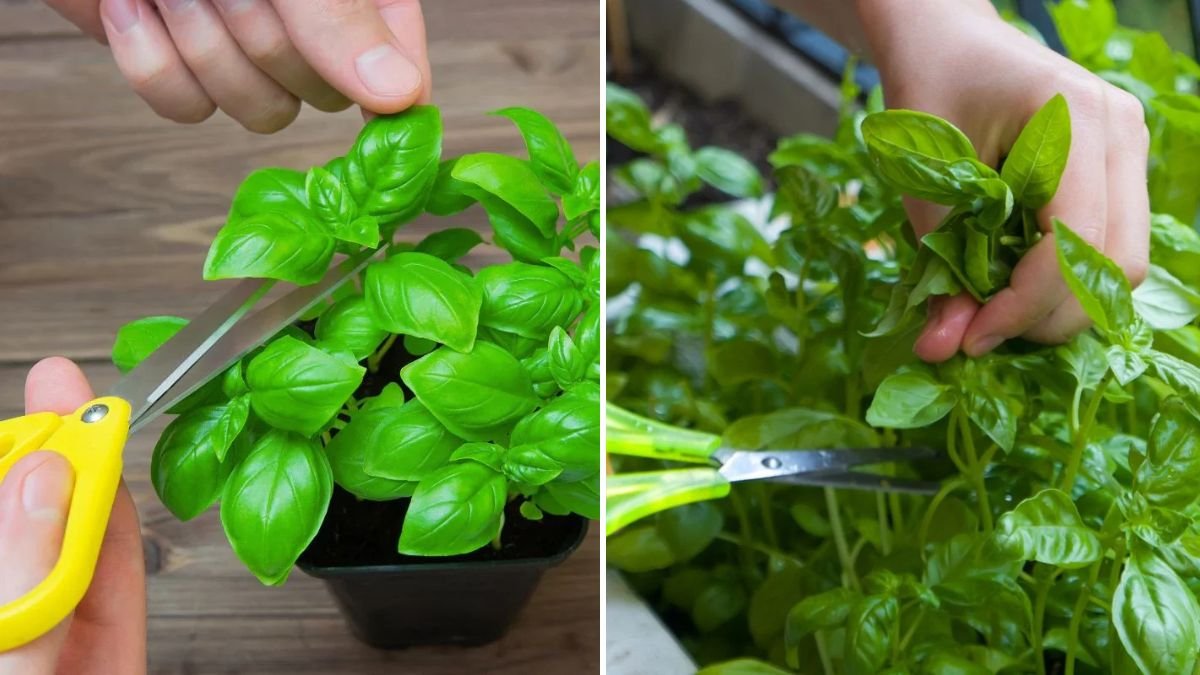
Basil is one of the most popular culinary herbs grown in home gardens, balconies, and kitchen windowsills. Many gardeners unknowingly damage their basil plants by cutting leaves incorrectly, which leads to slow growth, woody stems, and weak flavor. When basil is harvested the right way, it grows faster, produces more leaves, and develops a stronger aroma. Proper cutting techniques also help prevent early flowering, which can make the leaves bitter. Understanding how basil grows and responds to cutting allows you to enjoy a continuous harvest throughout the season. This guide explains everything step by step in a simple, practical way. Whether you grow basil in pots or garden beds, correct harvesting makes a huge difference. Healthy cutting habits lead to healthier plants and better-tasting food.
Understanding How Basil Plants Grow
Basil grows with a central stem that produces pairs of leaves at each node. From these nodes, new branches form when the top growth is removed correctly. If basil is left uncut, it grows tall and thin, eventually producing flowers. Once flowering begins, leaf production slows and flavor declines. Regular harvesting encourages bushy growth and delays flowering. Basil plants thrive when their energy is redirected toward leaf production instead of seed formation. Knowing where the growth nodes are located is essential before making any cuts. Each cut should encourage two new stems to grow instead of stopping growth. This natural growth habit makes basil perfect for repeated harvesting.
When Is the Best Time to Cut Basil Leaves
Timing plays an important role in basil harvesting. The best time to cut basil leaves is in the morning, after the dew has dried but before the heat of the day. At this time, essential oils are most concentrated, giving the leaves better flavor and aroma. Cutting during extreme heat can stress the plant and reduce oil content. Young basil plants should not be harvested too early, as this can weaken them. Wait until the plant has at least six to eight sets of leaves. Regular harvesting every one to two weeks keeps the plant productive and healthy. Avoid harvesting just before heavy rain, as wet leaves are more prone to disease.
Tools Needed for Cutting Basil Correctly
Using the right tools helps prevent damage to your basil plant. Sharp scissors, garden shears, or pruning snips are ideal for clean cuts. Dull tools crush stems, making them vulnerable to disease and slow recovery. Always clean your tools before use to avoid spreading bacteria or fungal infections. Even kitchen scissors can work if they are sharp and sanitized. Avoid pulling leaves by hand, as this can tear stems and stress the plant. Clean cuts heal faster and promote quicker regrowth. Investing in a small pair of pruning scissors makes basil harvesting easier and more efficient.
Where to Cut Basil Leaves for Maximum Regrowth
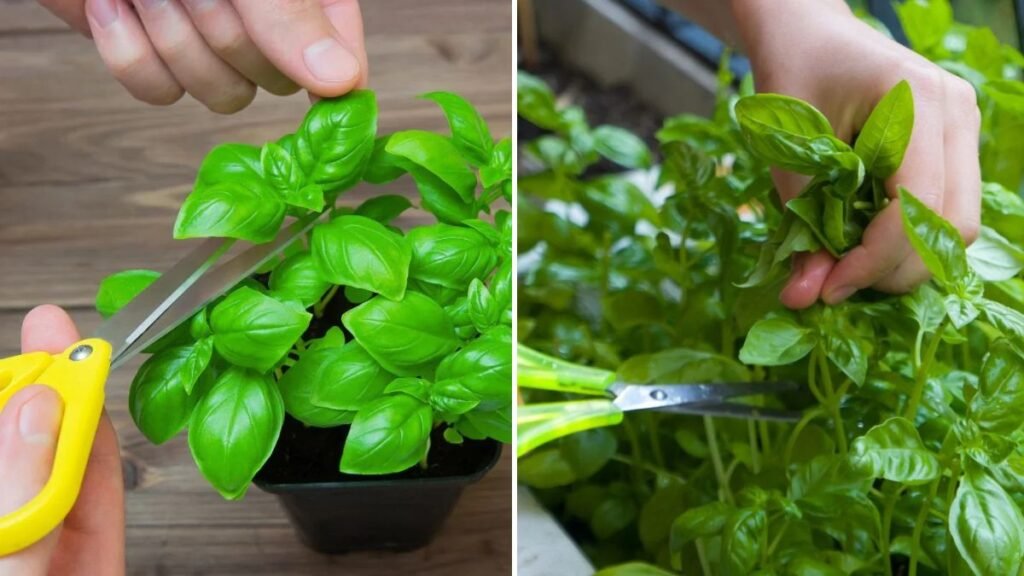
The most important rule is never to cut single leaves from the bottom of the plant. Instead, cut the stem just above a leaf node where two new leaves are forming. This encourages the plant to branch into two new stems. Cutting too low can stunt growth, while cutting too high wastes growth potential. Always leave at least two sets of leaves below the cut to support photosynthesis. This method helps the plant grow bushier rather than tall and leggy. Proper placement of each cut determines how full your basil plant becomes. Repeating this technique consistently leads to abundant harvests.
Latest Posts
- OnePlus 15T Smartphone Unveiled – Featuring 200MP Camera, Snapdragon 8 Elite Gen 5 and Massive Battery
- Lava Yuva 5G Unveiled – 120Hz Display and Strong Performance for Everyday Use
- Nokia 1100 Launched – Premium Keypad Phone Returns at Budget Price ₹2,500
- Motorola G96 5G Unveiled – Featuring Stylish Design, Strong Performance and Advanced Camera Tech
- Vivo Y21d Unveiled – Massive 6000mAh Battery for All-Day Everyday Use
- Nothing Phone 4 Ultra 5G Launched – 16GB RAM, AI-Powered 50MP Camera and Flagship Performance
- OnePlus 5G Smartphone Launched – 300MP AI Camera, 7000mAh Battery & 100W Fast Charging
- Nothing Phone 3a Pro – High processor smartphone for gaming lovers – battery is 5000mAH
- Realme 15 Pro – 3 days battery backup smartphone with 50MP front camera under ₹28,000
- Vivo X200 FE – 12GB RAM + 256GB Storage smartphone with HD quality camera
How Much Basil Should You Cut at One Time
Overharvesting can shock basil plants, especially young ones. As a general rule, never remove more than one-third of the plant at one time. Cutting too much reduces the plant’s ability to recover and produce new leaves. For mature plants, regular moderate harvesting works better than occasional heavy cutting. Small, frequent harvests keep the plant active and productive. If you need a large amount of basil, harvest from multiple plants instead of stripping one. Balanced harvesting ensures steady growth throughout the season. Healthy plants reward gentle care with continuous leaf production.
Preventing Basil from Flowering Through Proper Cutting
Flowering is a natural stage in basil’s life cycle, but it reduces leaf quality. Cutting the top growth regularly delays flowering and extends the harvest period. Flower buds usually appear at the top of the plant between leaf nodes. Removing these buds early redirects energy back into leaf production. Allowing flowers to develop causes leaves to become smaller and more bitter. Regular pruning keeps the plant focused on vegetative growth. Even if flowers appear, removing them promptly can restore leaf production. This simple habit significantly improves basil longevity.
Difference Between Harvesting Young and Mature Basil Plants
Young basil plants require gentler harvesting than mature ones. Early harvesting should focus on pinching the top growth to encourage branching. Mature plants can tolerate more aggressive cutting as long as proper nodes are targeted. Younger plants should not be cut below their first few sets of leaves. Mature plants respond well to regular pruning and can grow vigorously after each cut. Understanding the plant’s age helps determine how much and where to cut. Adjusting your approach based on plant size ensures continuous healthy growth. This flexibility is key to long-term basil success.
Common Mistakes to Avoid When Cutting Basil
One common mistake is removing leaves from the bottom only, which weakens the plant. Another error is letting basil grow too tall before harvesting. Cutting randomly without considering nodes leads to poor regrowth. Using dirty or dull tools increases disease risk. Ignoring flower buds allows the plant to switch to seed production. Overharvesting in hot weather stresses the plant. Avoiding these mistakes improves plant health dramatically. Learning correct techniques early saves time and effort later.
How Proper Cutting Improves Basil Flavor
Flavor in basil comes from essential oils stored in the leaves. Regular harvesting encourages the production of fresh, tender leaves with stronger aroma. Older, uncut plants produce tougher, less flavorful leaves. Proper cutting stimulates new growth that is sweeter and more aromatic. Preventing flowering also helps maintain high oil content. Morning harvesting preserves maximum flavor intensity. Correct techniques result in basil that tastes better in cooking. The difference is noticeable even to beginner gardeners.
Indoor vs Outdoor Basil Cutting Techniques
Indoor basil plants grow slower due to limited light and space. Harvesting should be lighter and less frequent for indoor plants. Outdoor basil grows faster and can handle more frequent cutting. Sunlight intensity affects how quickly plants recover after harvesting. Indoor plants benefit from careful node-based cutting. Outdoor plants respond well to regular pruning. Adjusting techniques based on growing conditions ensures success in both environments. Proper care leads to strong growth regardless of location.
Seasonal Basil Harvesting Tips
During spring and early summer, basil grows rapidly and benefits from frequent cutting. In peak summer heat, harvesting should be lighter to reduce stress. Toward the end of the season, avoid heavy cutting if temperatures drop. Before cold weather arrives, harvest larger amounts for preservation. Seasonal awareness helps maintain plant health. Adjusting harvesting frequency improves longevity. Understanding seasonal changes enhances overall basil management.
Using Harvested Basil Without Wasting Leaves
Fresh basil can be used immediately or preserved for later use. Storing basil stems in water keeps leaves fresh longer. Leaves can be dried or frozen for long-term storage. Making pesto is an excellent way to use large harvests. Proper cutting ensures a steady supply without waste. Using harvested basil wisely maximizes garden value. Preservation methods extend enjoyment beyond the growing season.
Table: Correct vs Incorrect Basil Cutting Methods
| Aspect | Correct Cutting Method | Incorrect Cutting Method |
|---|---|---|
| Cutting Location | Above leaf node | Random leaf removal |
| Tool Used | Sharp, clean scissors | Pulling by hand |
| Amount Cut | One-third of plant | More than half |
| Timing | Morning hours | Midday heat |
| Result | Bushy regrowth | Weak, leggy plant |
How Often Should Basil Be Cut for Best Results
Basil should be harvested every one to two weeks during active growth. Frequent light harvesting works better than rare heavy cutting. Monitoring plant response helps adjust frequency. Faster growth indicates successful harvesting practices. Slower recovery suggests overharvesting or stress. Consistency improves plant health. Regular observation leads to better results.
Encouraging Long-Term Basil Production
Long-term production depends on regular care and correct cutting. Fertilizing lightly after harvesting supports regrowth. Adequate watering helps plants recover quickly. Removing damaged leaves keeps the plant healthy. Balanced care combined with correct harvesting extends the growing season. Healthy plants produce more leaves over time. Sustainable practices ensure continuous supply.
Harvesting Basil for Seed Without Harming the Plant
If you want seeds, allow a few plants to flower fully. Avoid cutting flowering stems on selected plants. Harvest seeds once flowers dry and turn brown. Separating seed production plants preserves leaf harvest plants. This approach balances future planting needs. Seed saving adds sustainability to gardening. Planning ahead improves long-term success.
Final Tips for Perfect Basil Harvesting
Always observe how your basil responds to cutting. Adjust techniques based on growth rate and plant health. Consistency matters more than quantity. Healthy plants reward patience and proper care. Small improvements lead to noticeable results. Correct harvesting becomes easier with practice. Basil thrives when treated thoughtfully.
Conclusion
Cutting basil correctly is a simple skill that delivers big rewards. Proper timing, clean tools, and strategic cuts encourage faster regrowth and better flavor. Avoiding common mistakes helps plants stay productive longer. Regular harvesting keeps basil bushy and aromatic. Whether grown indoors or outdoors, correct techniques make a clear difference. With consistent care, basil plants can provide fresh leaves all season. Mastering this method transforms your herb garden experience.