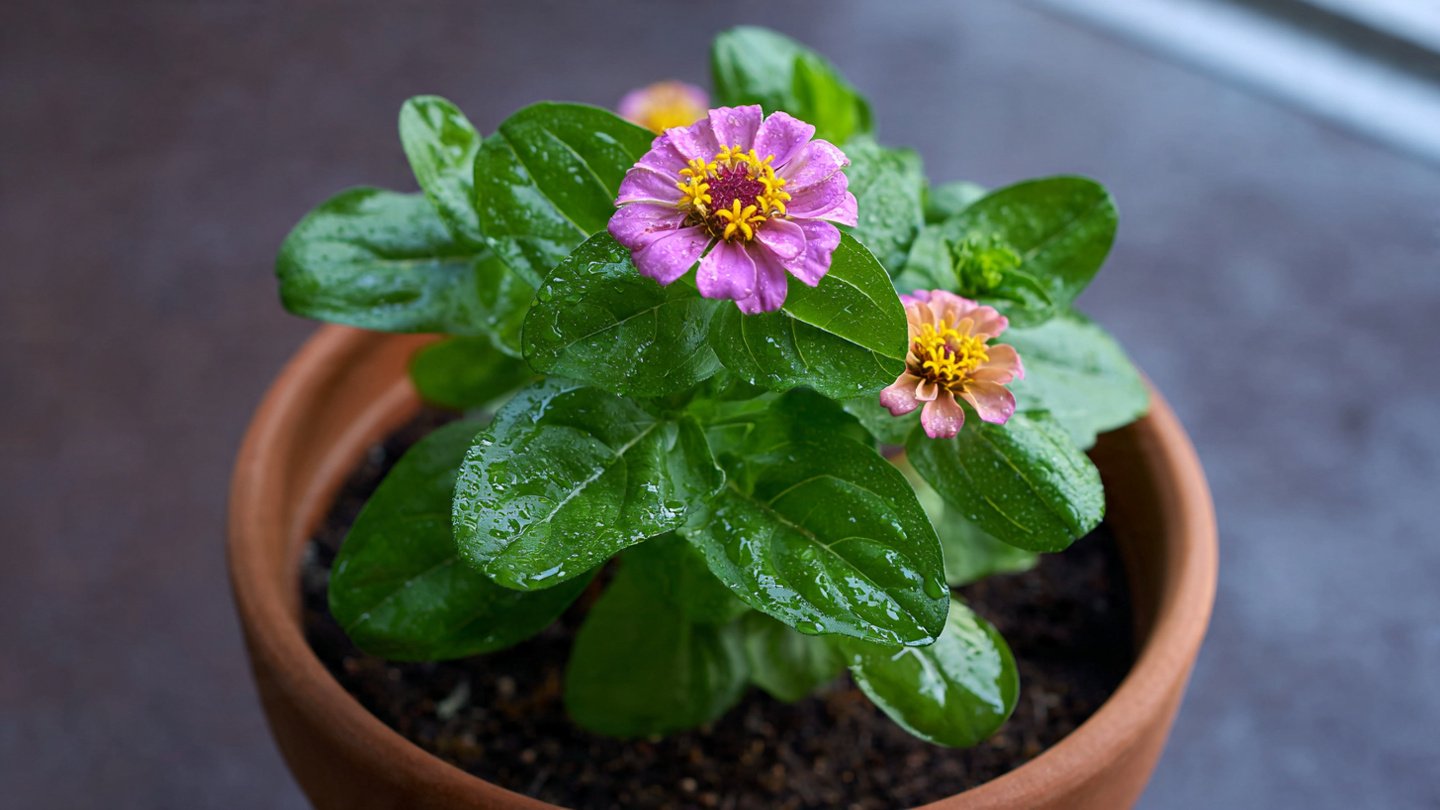
Growing dwarf zinnia in pots is a rewarding endeavor that brings vibrant color and charm to patios, balconies, and gardens. These delightful flowers, with their bright hues and low maintenance, make them ideal for container gardening. In this guide, we’ll explore everything you need to know about growing dwarf zinnia, from selecting the right pots to ensuring they thrive throughout their growing season.
Understanding Dwarf Zinnia
What Are Dwarf Zinnias?
Dwarf zinnias are compact varieties of the zinnia species, known for their small stature, typically reaching heights of 6 to 18 inches. Their vibrant blooms come in various colors, including orange, pink, yellow, white, and red. Dwarf zinnias are perfect for pots, as they don’t take up much space and are ideal for smaller areas.
Benefits of Growing Dwarf Zinnias
- Compact Size: Ideal for container gardening and small spaces.
- Low Maintenance: Dwarf zinnias require minimal care, making them perfect for novice gardeners.
- Attract Pollinators: Their bright flowers attract bees and butterflies, promoting a healthy garden ecosystem.
- Long Blooming Season: They can bloom from late spring until the first frost, offering color throughout the growing season.
Choosing the Right Pot
Size Matters
For dwarf zinnias, select pots that are at least 6 to 8 inches in diameter. This size provides enough space for their root system to develop while ensuring that the plant remains stable and balanced.
Material Types
- Plastic Pots: Lightweight and affordable, ideal for beginners.
- Clay Pots: Porous and good for airflow but can dry out quickly.
- Ceramic Pots: Attractive but heavy; ensure it has drainage holes.
- Self-Watering Pots: Helpful for maintaining consistent moisture, particularly in hot weather.
Drainage Is Key
Ensure that your pots have adequate drainage holes. Zinnias do not thrive in soggy soil, so good drainage is vital to prevent root rot.
Soil Selection
Choosing the Right Mix
A well-draining potting mix is essential for growing dwarf zinnias. Look for a mix that includes the following:
Latest Posts
- OnePlus 15T Smartphone Unveiled – Featuring 200MP Camera, Snapdragon 8 Elite Gen 5 and Massive Battery
- Lava Yuva 5G Unveiled – 120Hz Display and Strong Performance for Everyday Use
- Nokia 1100 Launched – Premium Keypad Phone Returns at Budget Price ₹2,500
- Motorola G96 5G Unveiled – Featuring Stylish Design, Strong Performance and Advanced Camera Tech
- Vivo Y21d Unveiled – Massive 6000mAh Battery for All-Day Everyday Use
- Nothing Phone 4 Ultra 5G Launched – 16GB RAM, AI-Powered 50MP Camera and Flagship Performance
- OnePlus 5G Smartphone Launched – 300MP AI Camera, 7000mAh Battery & 100W Fast Charging
- Nothing Phone 3a Pro – High processor smartphone for gaming lovers – battery is 5000mAH
- Realme 15 Pro – 3 days battery backup smartphone with 50MP front camera under ₹28,000
- Vivo X200 FE – 12GB RAM + 256GB Storage smartphone with HD quality camera
- Organic Matter: Such as peat moss or compost, to provide nutrients.
- Aeroponics or Perlite: To enhance drainage and aeration.
- pH Balance: Aim for a pH of 6.0 to 7.0 for optimal growth.
You can also create your own mix by combining equal parts of potting soil, perlite, and vermiculite.
Planting Dwarf Zinnia
When to Plant
Dwarf zinnias thrive in warm weather, so it’s best to plant them after the last frost date in your area. Generally, this is in late spring to early summer.
Starting from Seeds or Transplants
Seeds
- Soak Seeds: For faster germination, soak zinnia seeds in water for a few hours before planting.
- Sowing: Plant seeds about 1/4 inch deep and spaced 4-6 inches apart.
- Cover: Gently cover with soil and water lightly.
Transplants
- Select Healthy Plants: Choose healthy dwarf zinnia plants from a nursery.
- Transfer: Gently remove from their nursery pots and plant them in your prepared pot.
- Spacing: Space them appropriately, usually around 6-8 inches apart.
- Water: Water them thoroughly after transplanting.
Care and Maintenance
Watering
Dwarf zinnias prefer consistently moist soil but do not enjoy being waterlogged. Here’s how to manage watering:
- Frequency: Water when the top inch of soil feels dry.
- Method: Water at the base of the plant to avoid wetting the foliage, which can lead to disease.
- Seasonal Adjustments: During hot summer months, you may need to water more frequently.
Fertilizing
While zinnias are not heavy feeders, applying fertilizer can enhance their growth and flowering. Follow these steps:
- Type of Fertilizer: Use a balanced, slow-release fertilizer with an N-P-K ratio of about 10-10-10.
- Application Methods:
- Before Planting: Mix ground fertilizer into the potting soil before planting.
- Mid-Season Boost: A liquid fertilizer can be applied every 4-6 weeks during the growing season.
Pruning and Deadheading
- Pruning: Pinch back the tips of the plants to encourage bushier growth.
- Deadheading: Regularly remove spent flowers to promote new blooms and maintain plant health.
Pest and Disease Management
Common Pests
Dwarf zinnias can face several pests, including:
- Aphids: Small, green insects that can be washed off with water or treated with insecticidal soap.
- Spider Mites: Tiny pests that cause stippling on leaves; treat with neem oil.
- Whiteflies: Can be trapped with yellow sticky traps or sprayed away.
Diseases to Watch For
Dwarf zinnias can be susceptible to a few diseases:
- Powdery Mildew: Caused by high humidity; avoid overhead watering and promote good air circulation.
- Botrytis Blight: A fungal disease that causes brown, water-soaked spots; remove affected foliage and ensure proper spacing.
Harvesting and Enjoying Dwarf Zinnias
Cut Flowers
One of the joys of growing dwarf zinnias is using their beautiful blooms in arrangements. Follow these steps for cutting:
- Timing: Cut flowers in the morning when they’re well-hydrated.
- Cutting Method: Use clean, sharp scissors and cut the stem at an angle to promote water uptake.
- Caring for Cut Flowers: Place them in water immediately and remove any leaves that may be submerged.
Enjoying in Gardens and Pots
Dwarf zinnias are versatile and can be mixed with other flowers in arrangements or stand alone in pots. Consider companion planting with herbs or other flowering plants for added beauty and diversity.
Conclusion
Growing dwarf zinnias in pots is a straightforward and fulfilling project for any gardener. Their vibrant flowers bring life to your outdoor spaces while requiring minimal care. With the right pot, soil, and maintenance practices, you’ll enjoy a colorful display of blooms that attract pollinators and brighten your surroundings for months. So gather your pots, seeds, and gardening tools, and get ready to enjoy the simple joy of growing dwarf zinnias!
By following this guide, you’ll not only succeed in cultivating these cheerful flowers but also gain confidence in your gardening skills. Happy planting!