Introduction
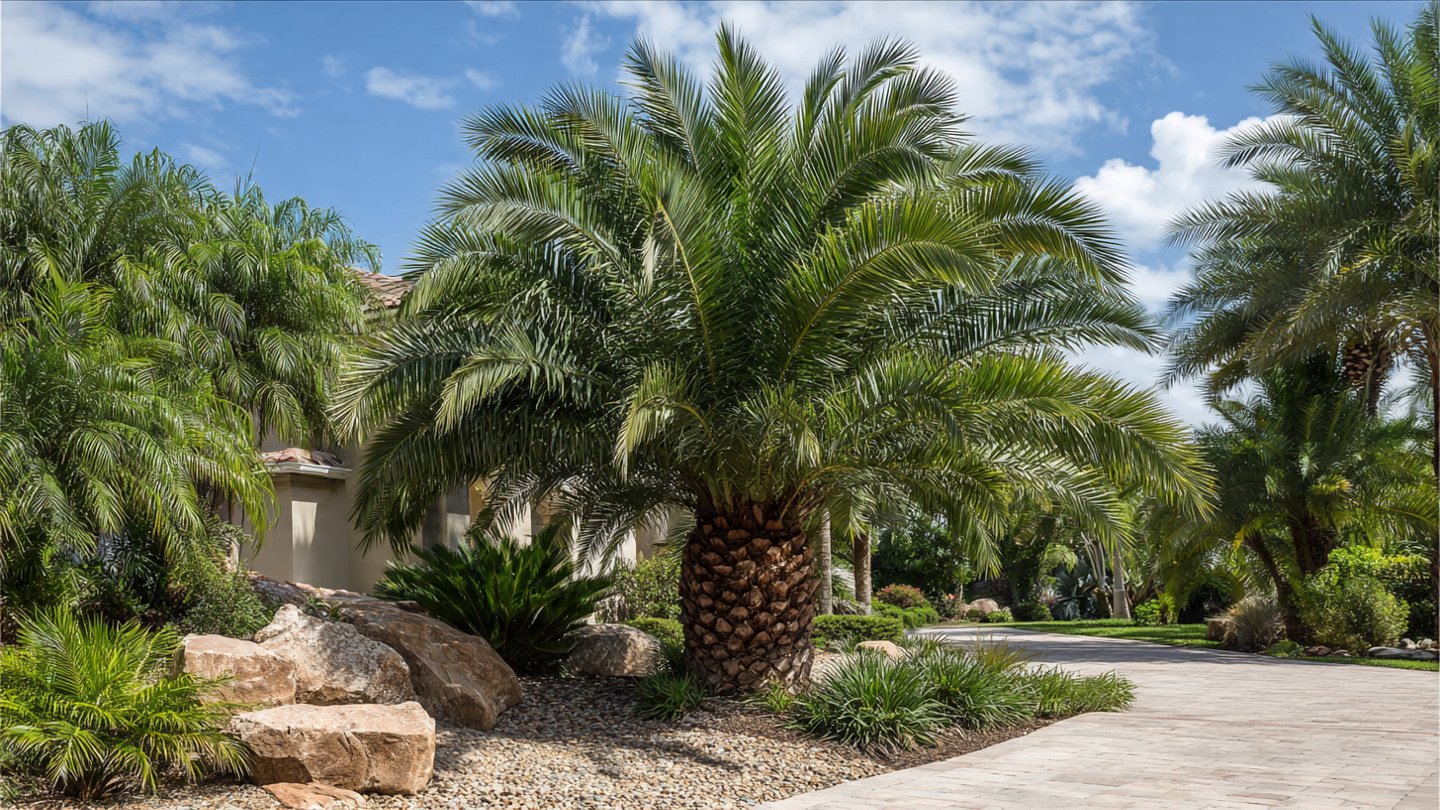
The Triangle Palm (Dypsis decaryi) is a visually stunning tropical plant native to Madagascar. With its unique growth habit and striking appearance, it serves as an excellent focal point in any garden landscape. Known for its triangular-shaped trunk and feathery fronds, the Triangle Palm can add elegance and tranquility to residential and commercial spaces alike. In this article, we will explore all aspects of growing Triangle Palm—from ideal conditions and care tips to landscaping ideas.
Latest Posts
- OnePlus 15T Smartphone Unveiled – Featuring 200MP Camera, Snapdragon 8 Elite Gen 5 and Massive Battery
- Lava Yuva 5G Unveiled – 120Hz Display and Strong Performance for Everyday Use
- Nokia 1100 Launched – Premium Keypad Phone Returns at Budget Price ₹2,500
- Motorola G96 5G Unveiled – Featuring Stylish Design, Strong Performance and Advanced Camera Tech
- Vivo Y21d Unveiled – Massive 6000mAh Battery for All-Day Everyday Use
- Nothing Phone 4 Ultra 5G Launched – 16GB RAM, AI-Powered 50MP Camera and Flagship Performance
- OnePlus 5G Smartphone Launched – 300MP AI Camera, 7000mAh Battery & 100W Fast Charging
- Nothing Phone 3a Pro – High processor smartphone for gaming lovers – battery is 5000mAH
- Realme 15 Pro – 3 days battery backup smartphone with 50MP front camera under ₹28,000
- Vivo X200 FE – 12GB RAM + 256GB Storage smartphone with HD quality camera
The Unique Characteristics of Triangle Palm
Before diving into how to grow this beautiful tree, it’s essential to understand what makes the Triangle Palm unique:
-
Appearance: This palm features a unique triangular trunk, which is more prominent when it’s mature. The fronds arch gracefully from the top of the trunk, giving it a tropical flair.
-
Height: The Triangle Palm typically reaches heights of 20-30 feet (6-9 meters), making it an impressive addition to any landscape.
-
Leaf Shape: Its long, feathery leaves can span up to 10 feet (3 meters) in length, providing a lush, tropical feel.
-
Growth Rate: Triangle Palms are moderately fast growers, particularly when provided with optimal growing conditions.
Ideal Growing Conditions
To successfully cultivate a Triangle Palm, it’s important to replicate its native environmental conditions as closely as possible. Here’s what you need to know:
1. Climate
Triangle Palms thrive in USDA hardiness zones 10-11, making them ideal for warm climates. They prefer temperatures between 70°F to 90°F (21°C to 32°C) and are sensitive to frost. If you live in a cooler area, consider growing them in a greenhouse or indoors.
2. Sunlight
These palms love full sun but can tolerate partial shade. Ideally, place your Triangle Palm where it can receive at least 6-8 hours of direct sunlight daily. Insufficient light can stunt growth and diminish leaf coloration.
3. Soil Type
Well-draining soil is crucial for healthy Triangle Palms. Sand, loam, or a mix specifically designed for palms will work well. The soil pH should ideally be between 6.0 and 7.5. Poorly draining or compacted soil can lead to root rot, a common concern for palm trees.
4. Watering Needs
Triangle Palms prefer regular watering, especially during their growing season (spring and summer). However, make sure not to overwater; allow the top couple of inches of soil to dry out before the next watering. A deep watering schedule helps establish deep root systems.
Planting Your Triangle Palm
1. Timing
The best time to plant a Triangle Palm is in the spring after the last frost. This ensures that the tree has ample time to establish its roots before facing the heat of summer.
2. Location
Select a spot in your garden that can accommodate the tree’s height and spread. The Triangle Palm can grow quite large, so avoid planting it too close to structures, fences, or other plants.
3. How to Plant
-
Dig a Hole: The hole should be approximately twice the size of the root ball.
-
Add Soil Amendments: If your soil is heavy clay or not well-draining, consider mixing in sand or compost to improve drainage.
-
Plant the Palm: Remove the palm from its container, gently loosen any tightly-bound roots, and place it in the hole. Fill in with soil and water thoroughly to remove air pockets.
-
Mulch: Apply a 2-3 inch layer of organic mulch around the base to help retain moisture and suppress weeds.
Care and Maintenance
Once your Triangle Palm is planted, ongoing care will ensure it remains a stunning focal point in your landscape:
1. Fertilization
Feed your Triangle Palm with a balanced, slow-release fertilizer designed for palms, ideally during the growing season. This will provide the necessary nutrients for healthy growth and vibrant fronds. Fertilizing every 6-8 weeks can promote better growth.
2. Pruning
Regularly pruning dead or damaged fronds will not only improve the aesthetics but also enhance air circulation around the tree. Avoid cutting off healthy fronds, as this can stress the plant.
3. Pest Control
Watch for common pests like spider mites, mealybugs, and scale. They can cause significant harm if not managed quickly. Natural insecticides or neem oil can be effective for treatment.
Landscape Ideas Featuring Triangle Palm
The Triangle Palm is a versatile addition to any garden and can be utilized in several landscaping ideas:
1. Tropical Oasis
Create a tropical-themed garden by planting multiple Triangle Palms along pathways, interspersed with colorful flowers and ornamental grasses. This lush environment will evoke a paradise-like atmosphere.
2. Statement Entrance
Plant a pair of Triangle Palms flanking your front door or driveway. Their visual appeal can create a grand entrance and make a strong first impression.
3. Container Planting
You can also grow Triangle Palms in large pots for patios or decks. Make sure the pots have adequate drainage holes and are large enough to accommodate the root growth.
4. Mixed Garden Beds
Interplant Triangle Palms with other tropical plants, like hibiscus, bird of paradise, or ferns, to create depth and texture. This mixed approach will enhance the overall visual impact of your garden.
Common Issues and Solutions
1. Yellowing Leaves
If you notice yellowing leaves, it can be a sign of nutrient deficiency, particularly nitrogen. A slow-release palm fertilizer can help.
2. Brown Leaf Tips
Brown tips can indicate underwatering, insufficient humidity, or poor soil. Check your watering schedule and consider increasing humidity levels, especially in dry climates.
3. Pests and Diseases
As mentioned earlier, pests like spider mites and mealybugs are common threats. Regularly inspecting your palm can help catch infestations early. In wet conditions, root rot can occur; ensure proper drainage and avoid overwatering to prevent this.
Conclusion
The Triangle Palm is a stunning addition to any garden landscape. Its unique appearance and tropical vibe make it a focal point that enhances the beauty of your outdoor space. With the right care and attention, your Triangle Palm can thrive and become a magnificent centerpiece for years to come. Whether you’re looking to create a tropical oasis or simply add some flare to your garden, the Triangle Palm is a perfect choice.
FAQs
1. Can Triangle Palms grow in pots?
Yes, Triangle Palms can thrive in large containers with proper drainage. Make sure to provide adequate space for root growth.
2. How often should I water my Triangle Palm?
Water your Triangle Palm regularly, allowing the top couple of inches of soil to dry out before watering again, especially during the growing season.
3. What’s the ideal temperature for growing Triangle Palms?
Triangle Palms thrive in temperatures between 70°F to 90°F (21°C to 32°C) and are sensitive to frost.
4. How fast do Triangle Palms grow?
Triangle Palms are moderately fast-growing and can reach heights of 20-30 feet (6-9 meters) given optimal conditions.
5. Do Triangle Palms attract pests?
Yes, Triangle Palms can attract pests like spider mites and mealybugs. Regular inspection and maintenance can help manage these issues.
By following these guidelines, you can cultivate a Triangle Palm that not only enhances your landscape but also becomes a conversation starter and a source of enjoyment for years to come.