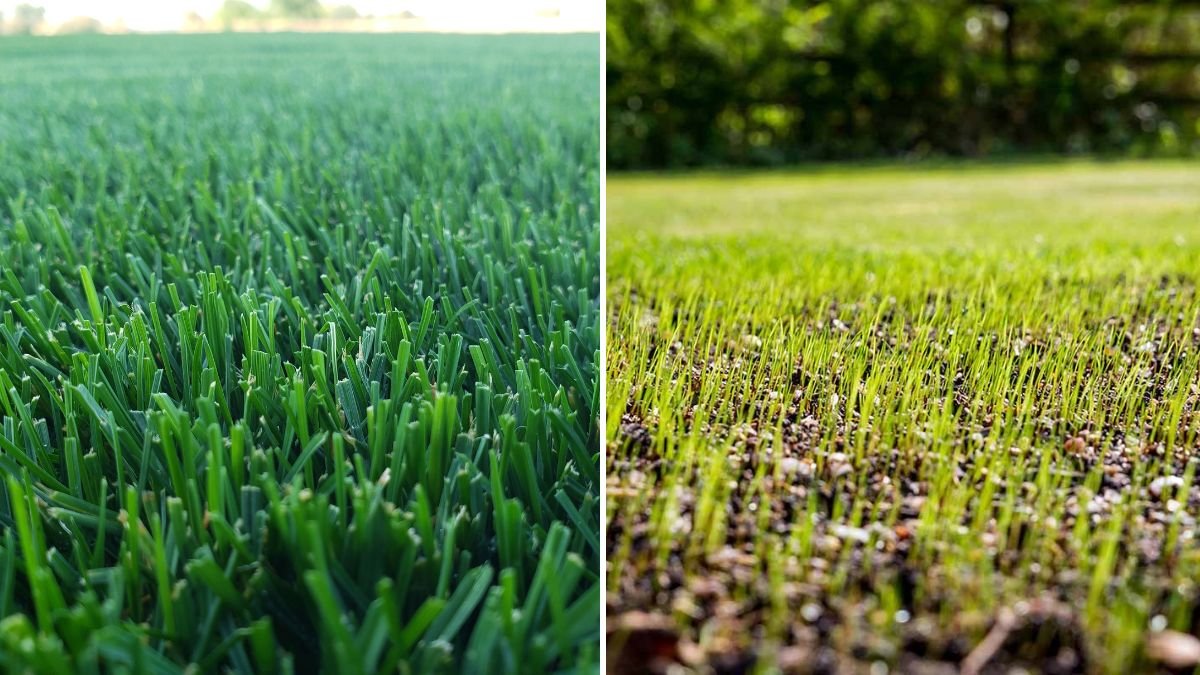
A thin or patchy lawn is a common problem for many homeowners, especially after extreme heat, heavy foot traffic, or pest damage. Planting grass seed on an existing lawn, also known as overseeding, is one of the easiest and most affordable ways to restore thickness and color. This method allows new grass to grow alongside existing turf, filling bare spots naturally. When done correctly, overseeding improves lawn density, reduces weed growth, and enhances overall resilience. Many people assume lawns must be removed and replanted, but that is rarely necessary. Overseeding works with what you already have. Understanding timing, preparation, and proper care makes all the difference. This guide walks you through every step for reliable success.
Paragraph 1: Understanding Overseeding and Its Benefits
Overseeding means spreading grass seed directly over an existing lawn without removing old grass. The goal is to introduce new grass varieties that strengthen the lawn’s structure. Thick grass crowds out weeds and improves drought resistance naturally. Overseeding also helps repair thinning areas caused by pets, shade, or soil compaction. It refreshes lawn color and texture without expensive renovations. Homeowners appreciate this approach because it is cost-effective and environmentally friendly. With proper watering and soil contact, new seedlings blend seamlessly with older grass. This technique is widely used by lawn professionals for long-term turf health.
Paragraph 2: Best Time to Plant Grass Seed on an Existing Lawn
Timing is crucial for overseeding success. Early fall is considered the best season because soil temperatures remain warm while air temperatures are cooler. This combination encourages strong root development and reduces weed competition. Spring overseeding is possible but requires extra weed control and watering. Avoid seeding during peak summer heat, as young grass struggles under stress. Cooler seasons provide consistent moisture and sunlight balance. Choosing the right time improves germination rates significantly. Proper seasonal planning saves effort and money.
Paragraph 3: Choosing the Right Grass Seed for Your Lawn
Selecting the correct grass seed determines how well new grass blends with existing turf. Cool-season grasses like ryegrass and fescue work well in cooler regions. Warm-season lawns benefit from Bermuda or Zoysia varieties. Matching texture and growth habits ensures uniform appearance. Disease resistance and drought tolerance should also be considered. Always read seed labels carefully for quality and purity. Using region-specific blends improves adaptation. The right seed choice leads to faster, healthier establishment.
Paragraph 4: Assessing Lawn Condition Before Seeding
Before overseeding, carefully inspect your lawn’s condition. Identify thin areas, bare patches, and compacted soil zones. Check for weed infestations that may compete with seedlings. Evaluate drainage issues and sunlight exposure patterns. Soil compaction often prevents seed germination. Testing soil pH provides insight into nutrient needs. Healthy preparation starts with observation. A well-assessed lawn responds better to overseeding efforts.
Latest Posts
- OnePlus 15T Smartphone Unveiled – Featuring 200MP Camera, Snapdragon 8 Elite Gen 5 and Massive Battery
- Lava Yuva 5G Unveiled – 120Hz Display and Strong Performance for Everyday Use
- Nokia 1100 Launched – Premium Keypad Phone Returns at Budget Price ₹2,500
- Motorola G96 5G Unveiled – Featuring Stylish Design, Strong Performance and Advanced Camera Tech
- Vivo Y21d Unveiled – Massive 6000mAh Battery for All-Day Everyday Use
- Nothing Phone 4 Ultra 5G Launched – 16GB RAM, AI-Powered 50MP Camera and Flagship Performance
- OnePlus 5G Smartphone Launched – 300MP AI Camera, 7000mAh Battery & 100W Fast Charging
- Nothing Phone 3a Pro – High processor smartphone for gaming lovers – battery is 5000mAH
- Realme 15 Pro – 3 days battery backup smartphone with 50MP front camera under ₹28,000
- Vivo X200 FE – 12GB RAM + 256GB Storage smartphone with HD quality camera
Paragraph 5: Preparing the Lawn for Grass Seed
Proper preparation ensures seed-to-soil contact, which is essential for germination. Start by mowing the lawn slightly shorter than usual. Remove clippings, leaves, and debris to expose soil surface. Light raking or dethatching opens space for seeds. Aeration is highly recommended for compacted lawns. Creating small soil openings helps roots penetrate easily. Preparation is the foundation of success. Skipping this step often leads to poor results.
Paragraph 6: Lawn Aeration and Its Importance
Aeration involves removing small soil plugs to improve air and water movement. This process reduces compaction and allows seeds to settle into soil openings. Aerated lawns absorb nutrients more effectively. Overseeding after aeration increases germination rates dramatically. Manual or machine aerators can be used depending on lawn size. Aeration also improves long-term lawn health. It is especially beneficial for high-traffic areas.
Paragraph 7: Proper Method to Spread Grass Seed
Even seed distribution prevents patchy growth. Use a broadcast spreader for consistent coverage across the lawn. Apply half the seed in one direction and the remaining half perpendicular. This technique ensures uniform density. Avoid dumping seeds in one area. Follow recommended seeding rates on the package. Gentle raking helps seeds settle into soil. Balanced spreading leads to even results.
Paragraph 8: Topdressing for Better Germination
Topdressing involves adding a thin layer of soil or compost over seeds. This protects seeds from birds and drying out. Organic compost improves soil fertility naturally. Keep the layer light to avoid smothering seeds. Topdressing maintains moisture and temperature balance. It also improves soil structure over time. This simple step significantly boosts germination success.
Paragraph 9: Watering Schedule After Seeding
Watering is the most critical post-seeding task. Keep the soil consistently moist, not soaked. Light watering two to three times daily is ideal during germination. Once seedlings emerge, reduce frequency and increase depth. Avoid heavy watering that washes seeds away. Morning watering minimizes evaporation. Proper hydration supports strong root development. Consistent watering ensures uniform growth.
Paragraph 10: Fertilizing an Overseeded Lawn
Starter fertilizer provides essential nutrients for new grass. Choose a balanced formula with phosphorus to support root growth. Apply fertilizer immediately after seeding or within one week. Avoid high nitrogen levels that stress seedlings. Organic fertilizers release nutrients slowly and safely. Follow label instructions carefully. Fertilizing correctly accelerates establishment.
Paragraph 11: Preventing Weeds During Overseeding
Weeds compete with grass seedlings for nutrients and sunlight. Avoid herbicides before and after overseeding. Thick grass naturally suppresses weeds over time. Manual weed removal is safer during early stages. Pre-emergent herbicides should only be used months later. Maintaining proper mowing height also discourages weeds. Prevention is easier than removal.
Paragraph 12: Mowing After New Grass Appears
Wait until new grass reaches at least three inches before mowing. Use sharp mower blades to avoid pulling seedlings. Remove only the top third of grass height. Mow when grass is dry for cleaner cuts. Gradual mowing strengthens roots. Proper mowing encourages lateral growth. Early care shapes long-term lawn density.
Paragraph 13: Common Mistakes to Avoid
Many homeowners overseed without preparation, leading to poor germination. Overwatering causes seed rot and fungal issues. Using wrong grass varieties results in uneven texture. Skipping aeration reduces soil contact. Mowing too early damages seedlings. Avoiding these mistakes saves time and effort. Proper technique ensures visible improvement.
Paragraph 14: How Long Does Overseeding Take to Show Results
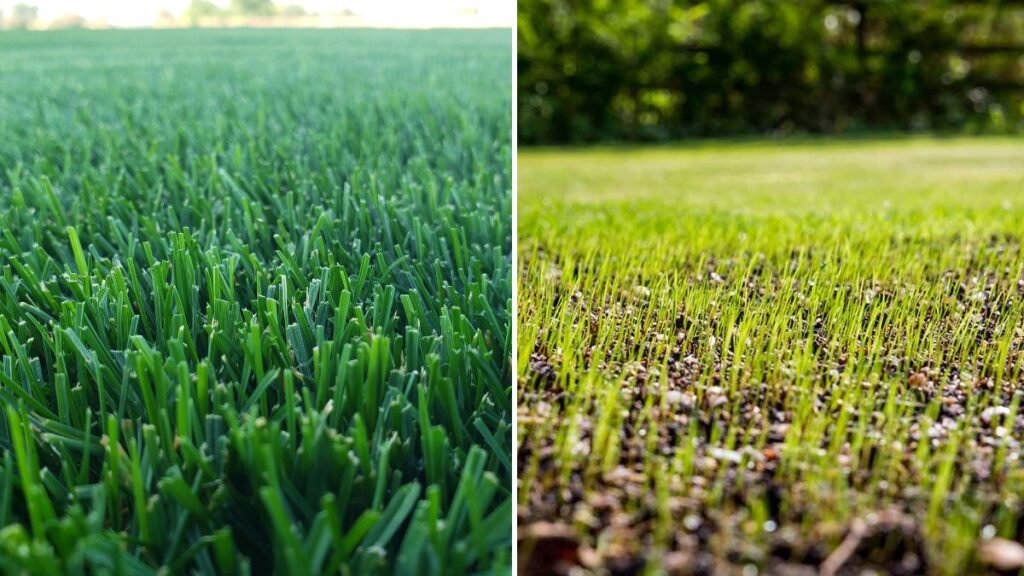
Germination time varies by grass type and weather conditions. Ryegrass sprouts within one week, while fescue takes longer. Visible improvement usually appears within three weeks. Full lawn thickness develops over several months. Patience is essential for lasting results. Consistent care speeds progress. Overseeding is an investment in long-term beauty.
Paragraph 15: Seasonal Lawn Care After Overseeding
Continue regular watering and mowing routines after establishment. Adjust fertilizer schedule according to season. Avoid heavy foot traffic during early growth. Monitor for pests and disease signs. Seasonal maintenance strengthens turf year-round. Overseeding once a year keeps lawns vibrant. Proper care extends lawn lifespan.
Paragraph 16: Environmental Benefits of Thick Grass
Dense grass reduces soil erosion and runoff. It improves air quality by trapping dust particles. Thick lawns regulate ground temperature naturally. Healthy turf absorbs carbon dioxide efficiently. Overseeding contributes to eco-friendly landscaping. It supports biodiversity in outdoor spaces. A strong lawn benefits both homeowners and environment.
Paragraph 17: Cost Comparison: Overseeding vs Lawn Replacement
Overseeding is far more affordable than full lawn replacement. It requires minimal tools and materials. Existing grass acts as a protective base. Lawn replacement involves higher labor and disposal costs. Overseeding delivers similar visual results at lower expense. Budget-friendly solutions appeal to homeowners. Smart choices save money.
Paragraph 18: Table – Grass Seed Selection Guide
| Lawn Condition | Recommended Grass Type | Key Benefit |
|---|---|---|
| Shaded areas | Fine fescue | Shade tolerance |
| High traffic | Perennial ryegrass | Quick recovery |
| Hot climate | Bermuda grass | Heat resistance |
| Mixed lawns | Turf blends | Uniform growth |
Paragraph 19: Table – Overseeding Step Summary
| Step | Purpose | Result |
|---|---|---|
| Mowing | Expose soil | Better seed contact |
| Aeration | Reduce compaction | Strong roots |
| Seeding | Add density | Thicker lawn |
| Watering | Support growth | Uniform germination |
Paragraph 20: Final Thoughts for a Healthy Lawn
Planting grass seed on an existing lawn is one of the simplest ways to achieve thick, healthy turf. With proper timing, preparation, and consistent care, results are highly rewarding. Overseeding improves appearance, durability, and environmental value. Homeowners can confidently restore lawns without costly renovations. This method works for beginners and experienced gardeners alike. A greener lawn begins with smart seeding. Patience and attention bring lasting beauty.