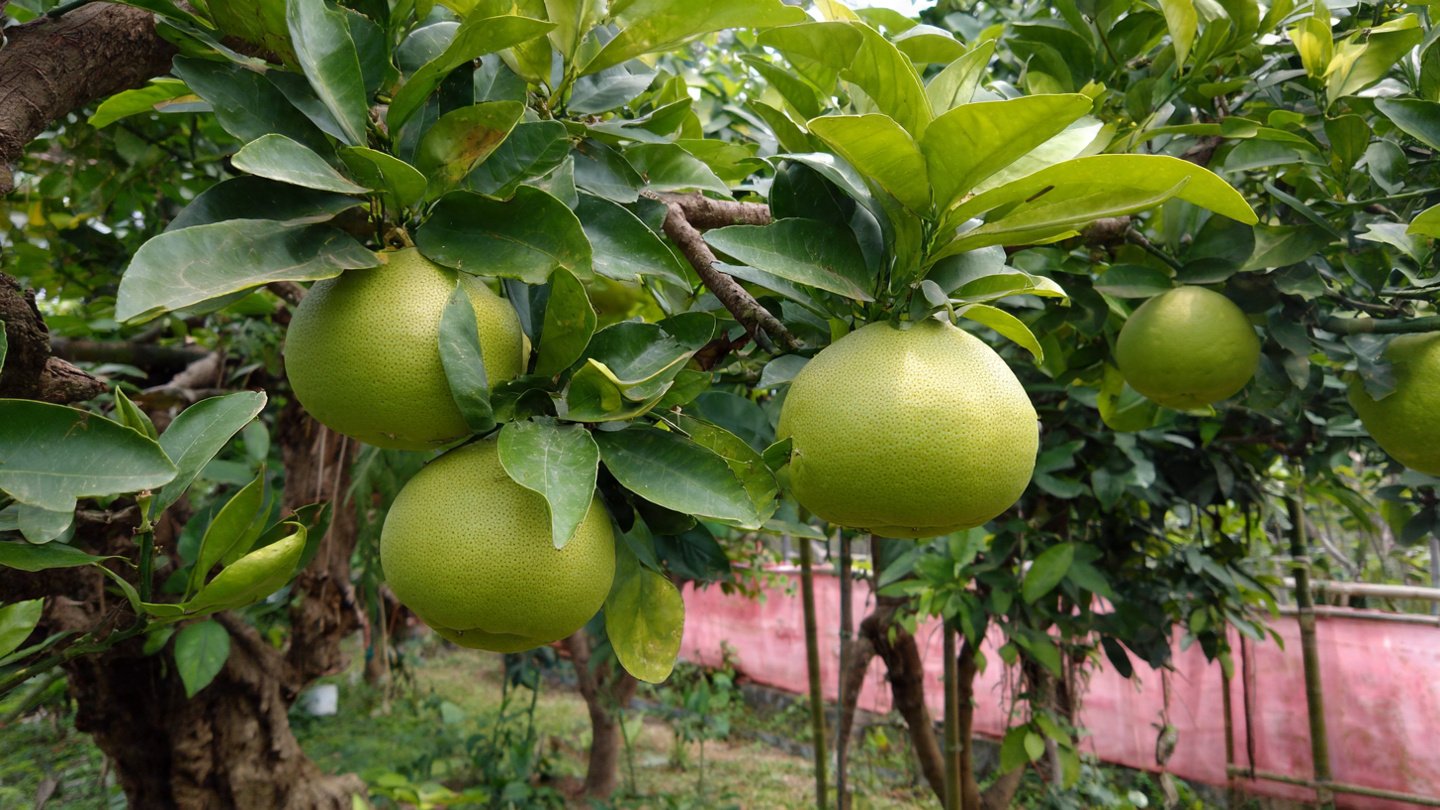
Pruning pomelo trees (Citrus maxima) is essential for ensuring optimal growth and enhancing fruit production. These tropical citrus trees, known for their large, sweet fruits, can benefit significantly from proper pruning techniques. Whether you are a novice gardener or a seasoned horticulturist, understanding the intricacies of pruning pomelo trees is vital. This article will explore why pruning is necessary, when to prune, the techniques involved, and tips to keep in mind.
Why Prune Pomelo Trees?
1. Enhanced Air Circulation
Latest Posts
- OnePlus 15T Smartphone Unveiled – Featuring 200MP Camera, Snapdragon 8 Elite Gen 5 and Massive Battery
- Lava Yuva 5G Unveiled – 120Hz Display and Strong Performance for Everyday Use
- Nokia 1100 Launched – Premium Keypad Phone Returns at Budget Price ₹2,500
- Motorola G96 5G Unveiled – Featuring Stylish Design, Strong Performance and Advanced Camera Tech
- Vivo Y21d Unveiled – Massive 6000mAh Battery for All-Day Everyday Use
- Nothing Phone 4 Ultra 5G Launched – 16GB RAM, AI-Powered 50MP Camera and Flagship Performance
- OnePlus 5G Smartphone Launched – 300MP AI Camera, 7000mAh Battery & 100W Fast Charging
- Nothing Phone 3a Pro – High processor smartphone for gaming lovers – battery is 5000mAH
- Realme 15 Pro – 3 days battery backup smartphone with 50MP front camera under ₹28,000
- Vivo X200 FE – 12GB RAM + 256GB Storage smartphone with HD quality camera
Pruning helps eliminate overcrowded branches, allowing for better air circulation within the canopy. This increased airflow helps reduce the risk of fungal diseases and pest infestations, which can adversely affect your pomelo tree’s health.
2. Improved Sunlight Penetration
A well-pruned tree allows sunlight to penetrate deeper into the canopy. This factor is crucial for photosynthesis, promoting healthy foliage and robust fruit production.
3. Shape and Structure
Proper pruning helps shape the tree, resulting in a strong, well-structured framework. A well-structured pomelo tree is less likely to suffer from wind damage and can better support the weight of its fruit.
4. Increasing Yield
By removing old, unproductive branches, you redirect the tree’s energy toward producing new growth and fruit. This pruning strategy can significantly increase the overall yield of your pomelo tree.
5. Healthier Tree
Pruning removes dead or diseased branches, which can otherwise spread infections. A healthy tree is more resilient and better equipped to withstand environmental stressors.
When to Prune Pomelo Trees
1. Timing
The ideal time to prune pomelo trees is in late winter or early spring, just before the onset of new growth. This timing allows the tree to heal from pruning wounds quickly and promotes vigorous new growth in the coming season.
2. Post-Harvest Pruning
Another opportunity for pruning is immediately after harvest. This timing allows for the removal of any dead or diseased branches revealed during fruiting.
3. Avoid Frost
Pruning should be avoided during frost periods, as open cuts can expose the tree to frost damage.
How to Prune Pomelo Trees
1. Gather Your Tools
To ensure a successful pruning process, gather the following tools:
- Pruning Shears: For cutting small branches.
- Loppers: For larger branches (up to 2 inches in diameter).
- Saw: For larger limbs.
- Gloves: To protect your hands.
- Ladder: If necessary, for reaching higher branches.
2. Assess the Tree
Before making any cuts, take a moment to assess the tree’s overall health and structure. Look for:
- Dead or diseased branches that need removal.
- Overgrown areas that need thinning.
- Any branches that cross each other and may cause damage.
3. Identify the Branches to Remove
Focus on the following types of branches:
a. Dead and Diseased Branches
Begin by removing any dead, diseased, or damaged branches. Cut these branches back to healthy wood or completely remove them at their base.
b. Water Sprouts and Suckers
Water sprouts (vertical, vigorous shoots) and suckers (shoots from the base or roots) should also be removed. These growths can divert energy from fruit production.
c. Overcrowded Branches
Identify overcrowded areas and prune back branches that are crossing or rubbing against each other. This space will enhance airflow and light penetration.
d. Old Wood
Remove older wood that is no longer producing fruit. As a rule, citrus trees benefit from being rejuvenated by cutting out older branches.
4. Pruning Techniques
a. Thinning Cuts
Thinning cuts remove entire branches back to their point of origin. This technique preserves the tree’s natural shape while allowing for better air circulation and light penetration.
b. Heading Cuts
Heading cuts involve cutting back a branch to a bud or lateral branch. This technique encourages bushier growth and helps manage the tree’s height.
c. Clean Cuts
Always make clean cuts to minimize damage and promote faster healing. Avoid tearing the bark, as this can attract pests and diseases.
5. Shaping the Tree
a. Central Leader System
Encourage a central leader system, where one main trunk grows upward, supported by well-spaced lateral branches. This shape helps balance fruit distribution and enhances wind resistance.
b. Open Canopy
Aim for an open canopy. The branches should be well-spaced and not overcrowded, allowing sunlight to penetrate and air to circulate.
Post-Pruning Care
After pruning, your pomelo tree may need some extra care:
1. Mulching
Apply mulch around the base of the tree to retain moisture and suppress weeds. This action promotes healthy root development.
2. Watering
Ensure the tree receives adequate water, especially during the growing season. However, avoid overwatering, as pomelo trees do not tolerate standing water.
3. Fertilizing
Applying a balanced fertilizer can help support new growth. Look for a citrus fertilizer with appropriate nutrient ratios to provide essential micronutrients.
4. Monitoring
Keep a close eye on your pomelo tree for signs of stress, pests, or disease. Early intervention can prevent significant damage.
Common Challenges While Pruning Pomelo Trees
1. Pest Infestations
Pests like aphids, whiteflies, and spider mites can weaken the tree. Regularly inspect your tree for signs of infestation and treat them using organic insecticidal soaps or neem oil.
2. Fungal Diseases
Monitor for fungal diseases such as root rot or cankers. Remove any affected areas promptly and ensure the tree has adequate airflow.
3. Over-Pruning
Be cautious not to over-prune. Removing too much foliage can shock the tree and impede its growth. Aim to remove no more than 20-30% of the tree’s canopy in a single season.
Conclusion
Pruning pomelo trees is an essential practice for promoting healthy growth, structural integrity, and optimal fruit production. Understanding the timing, techniques, and care required after pruning will set you on the path to a thriving pomelo tree. Regular maintenance not only enhances the tree’s appearance but also increases yield, making your efforts worthwhile. By adhering to the tips and guidelines discussed in this article, you can cultivate healthier, high-yield pomelo trees that produce delicious fruits for years to come. Happy pruning!