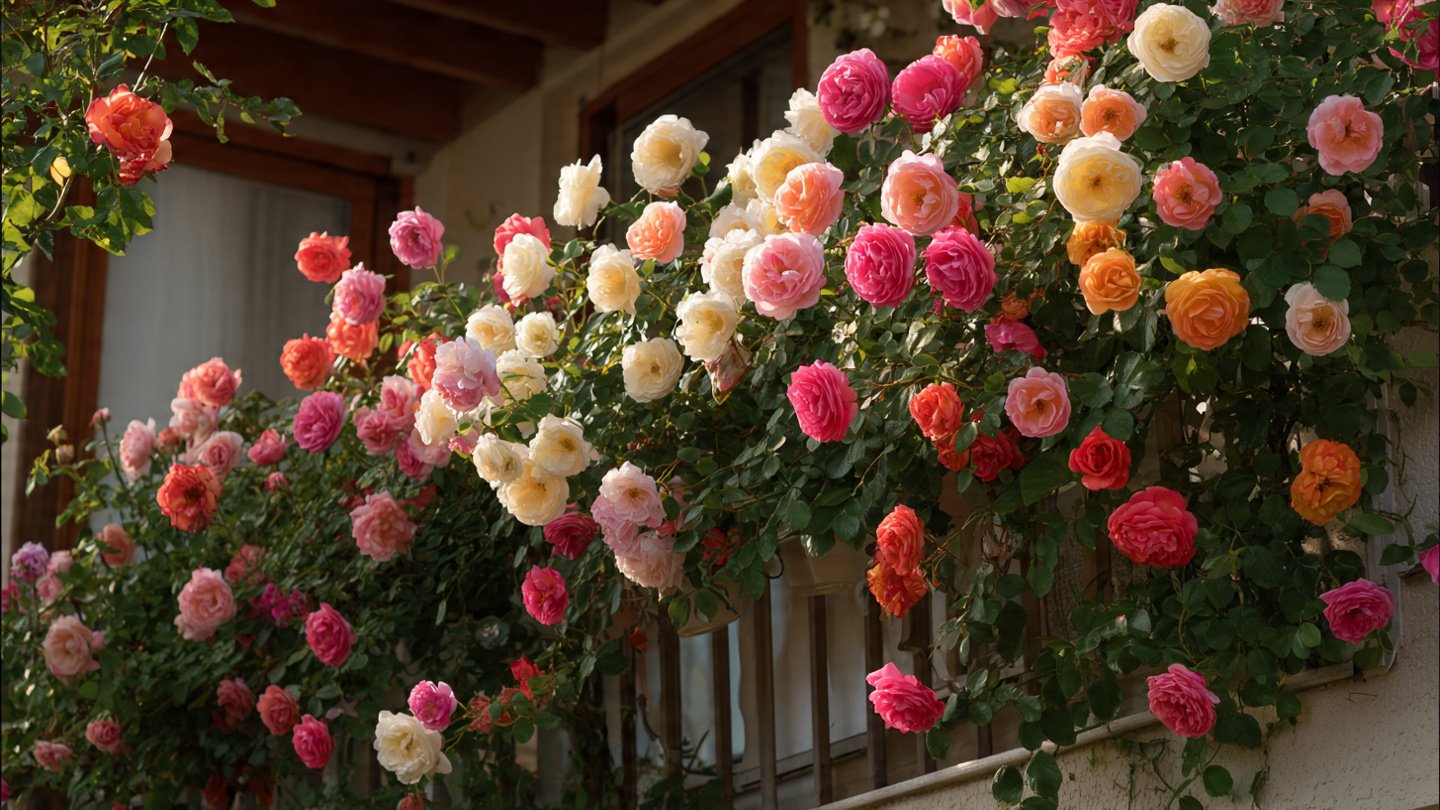
Ground cover roses are an excellent choice for balcony gardening, providing a burst of color and charm while being relatively easy to maintain. These hardy plants are renowned for their resilience and ability to thrive in various conditions, making them perfect companions for urban dwellers. In this article, we’ll explore the steps necessary to successfully grow ground cover roses on your balcony, ensuring a vibrant floral display that will enhance your outdoor space.
Understanding Ground Cover Roses
What Are Ground Cover Roses?
Latest Posts
- OnePlus 15T Smartphone Unveiled – Featuring 200MP Camera, Snapdragon 8 Elite Gen 5 and Massive Battery
- Lava Yuva 5G Unveiled – 120Hz Display and Strong Performance for Everyday Use
- Nokia 1100 Launched – Premium Keypad Phone Returns at Budget Price ₹2,500
- Motorola G96 5G Unveiled – Featuring Stylish Design, Strong Performance and Advanced Camera Tech
- Vivo Y21d Unveiled – Massive 6000mAh Battery for All-Day Everyday Use
- Nothing Phone 4 Ultra 5G Launched – 16GB RAM, AI-Powered 50MP Camera and Flagship Performance
- OnePlus 5G Smartphone Launched – 300MP AI Camera, 7000mAh Battery & 100W Fast Charging
- Nothing Phone 3a Pro – High processor smartphone for gaming lovers – battery is 5000mAH
- Realme 15 Pro – 3 days battery backup smartphone with 50MP front camera under ₹28,000
- Vivo X200 FE – 12GB RAM + 256GB Storage smartphone with HD quality camera
Ground cover roses are a unique category of shrub roses bred to achieve a low-growing, sprawling habit. These roses typically reach heights of around 1 to 3 feet but spread out wide, making them ideal for covering ground or container arrangements. They produce abundant blooms throughout the growing season, offering a continual display of colors ranging from classic reds and pinks to striking yellows and whites.
Benefits of Growing Ground Cover Roses
- Low Maintenance: These roses are bred for disease resistance and longevity, requiring less care than traditional rose varieties.
- Compact Growth: Perfect for small spaces, they can thrive in pots, window boxes, and hanging planters.
- Adaptable: Ground cover roses tolerate various soil types and weather conditions, making them adaptable to different balcony environments.
- Pollinator Friendly: Their abundant blooms attract bees and butterflies, promoting biodiversity.
Preparing Your Balcony for Ground Cover Roses
Assessing Your Space
Before planting, evaluate your balcony’s sunlight exposure. Ground cover roses thrive in full sun, ideally receiving at least six hours of direct sunlight daily. Consider the following:
- Direction: South-facing balconies generally receive more sunlight.
- Shade: Identify any shaded areas, which may require different plant adjustments or shade-tolerant varieties.
Selecting the Right Containers
Choosing the right pots is essential for your roses’ health. Consider these factors:
- Size: A container that is at least 12 inches deep and wide is ideal for allowing roots to grow comfortably.
- Drainage: Ensure your pots have drainage holes to prevent root rot. Consider using self-watering pots if you have a busy schedule.
- Material: Terracotta, ceramic, and plastic are common choices, each offering different aesthetic qualities. Terracotta allows for good aeration but dries out quickly, while plastic retains moisture longer.
Soil Requirements
A well-draining potting mix is crucial for the success of ground cover roses. Look for a blend that includes:
- Organic matter: Compost or well-rotted manure provides nutrients.
- Perlite or vermiculite: These materials enhance drainage and aeration.
- pH Level: Aim for a slightly acidic to neutral soil pH (6.0 to 7.0).
Choosing the Right Ground Cover Roses
Popular Varieties
When selecting ground cover roses, opt for varieties that suit your climate and aesthetic preferences. Popular ones include:
- ‘Flower Carpet’ Series: Known for their resilience and vibrant blooms, these roses come in various colors and bloom continuously.
- ‘Sea Foam’: This variety features soft white flowers and is particularly hardy.
- ‘Cascadia’: A vigorous choice with stunning color variations, great for pot planting.
Local Adaptation
Check with local nurseries for varieties that are well-adapted to your regional climate. This ensures better growth and resistance to local pests and diseases.
Planting Ground Cover Roses
Step-by-Step Planting Guide
- Water the Roses: Before planting, thoroughly water your roses to help hydrate the roots.
- Prepare the Container: Fill the pot with potting mix, leaving about 2 inches from the top.
- Planting: Remove the rose from its nursery pot gently. If the roots are tightly bound, gently tease them apart. Place it in the center of the new pot at the same depth it was in its previous pot.
- Backfill with Soil: Fill in around the root ball with soil, firming lightly to eliminate air pockets. Leave a gap at the top for watering.
- Water Again: After planting, water thoroughly to settle the soil around the roots.
Caring for Your Ground Cover Roses
Sunlight and Temperature
Place your pots in a location that receives full sun for most of the day. If your region experiences extreme temperatures, especially in the summer, consider providing partial shade during the hottest parts of the day.
Watering
Ground cover roses prefer consistently moist soil but are susceptible to root rot if overly saturated. Follow these watering guidelines:
- Regular Checks: Ensure the top inch of soil is dry before watering.
- Deep Watering: Water deeply to encourage roots to grow downwards, which promotes stability and drought resistance.
Fertilization
To promote healthy growth and abundant blooms:
- Use a Balanced Fertilizer: A slow-release granular fertilizer with equal parts of nitrogen, phosphorus, and potassium will work well.
- Timing: Fertilize in early spring when new growth begins and again halfway through the growing season.
Pruning
Regular pruning improves air circulation and promotes healthier growth:
- Remove Dead or Unhealthy Leaves: This will prevent diseases and encourage new growth.
- Trim Back After Blooming: After the first blooming cycle, trim back to promote a second flush of flowers, maintaining a compact shape.
Pest and Disease Control
Watch for common pests such as aphids and spider mites. Organic solutions, such as insecticidal soap or neem oil, can effectively manage these issues. Additionally, ensure proper spacing and avoid overhead watering to minimize fungal diseases.
Creating an Aesthetic Display
To make your balcony truly vibrant, consider combining ground cover roses with complementary plants:
Companion Planting
Select plants that bloom at different times or have contrasting colors and textures. For example:
- Herbs: Lavender or rosemary can complement the rose fragrance.
- Annuals: Petunias or marigolds provide additional color.
- Grasses: Ornamental grasses can add movement and texture.
Vertical Gardening
If your balcony has vertical space, consider incorporating trellises or wall planters. These can house additional plants, creating a dynamic visual appeal.
Seasonal Considerations
In the fall, consider planting winter annuals or evergreens to maintain interest during the colder months. In spring, create a rotation plan to ensure a continuous display of blooms without gaps.
Troubleshooting Common Issues
Yellowing Leaves
Often indicates overwatering or nutrient deficiency. Check the moisture level and adjust your watering schedule accordingly. If nutrients are the issue, a balanced fertilizer may help.
Poor Blooming
This may occur due to insufficient sunlight or lack of adequate nutrients. Ensure your roses are getting enough light and consider a fertilizer boost.
FAQs
1. How often should I water ground cover roses on my balcony?
Water them deeply, allowing the top inch of soil to dry out between watering sessions. Typically, one to two times a week is sufficient, depending on weather conditions.
2. Can ground cover roses survive winter in pots?
Yes, but protection is essential. Move pots to a sheltered location and consider wrapping them in burlap or placing them in an insulated spot during extreme cold.
3. What pests should I watch for on my ground cover roses?
Common pests include aphids, spider mites, and thrips. Regularly inspect your plants, and use organic pest control methods as needed.
4. Do ground cover roses require pruning?
Yes, regular pruning is important for maintaining shape, removing dead foliage, and encouraging new growth.
5. How long can ground cover roses bloom?
Ground cover roses can bloom continuously from spring to fall, depending on the variety and growing conditions.
Conclusion
Growing ground cover roses on your balcony can transform your outdoor space into a vibrant floral retreat. With the right care, selection, and maintenance, these resilient plants will not only add beauty but also contribute to a pollinator-friendly environment. Follow the steps outlined in this guide, and you’ll enjoy a stunning display of blooms for years to come. Embrace your balcony garden and make it a lovely sanctuary for both you and local wildlife!