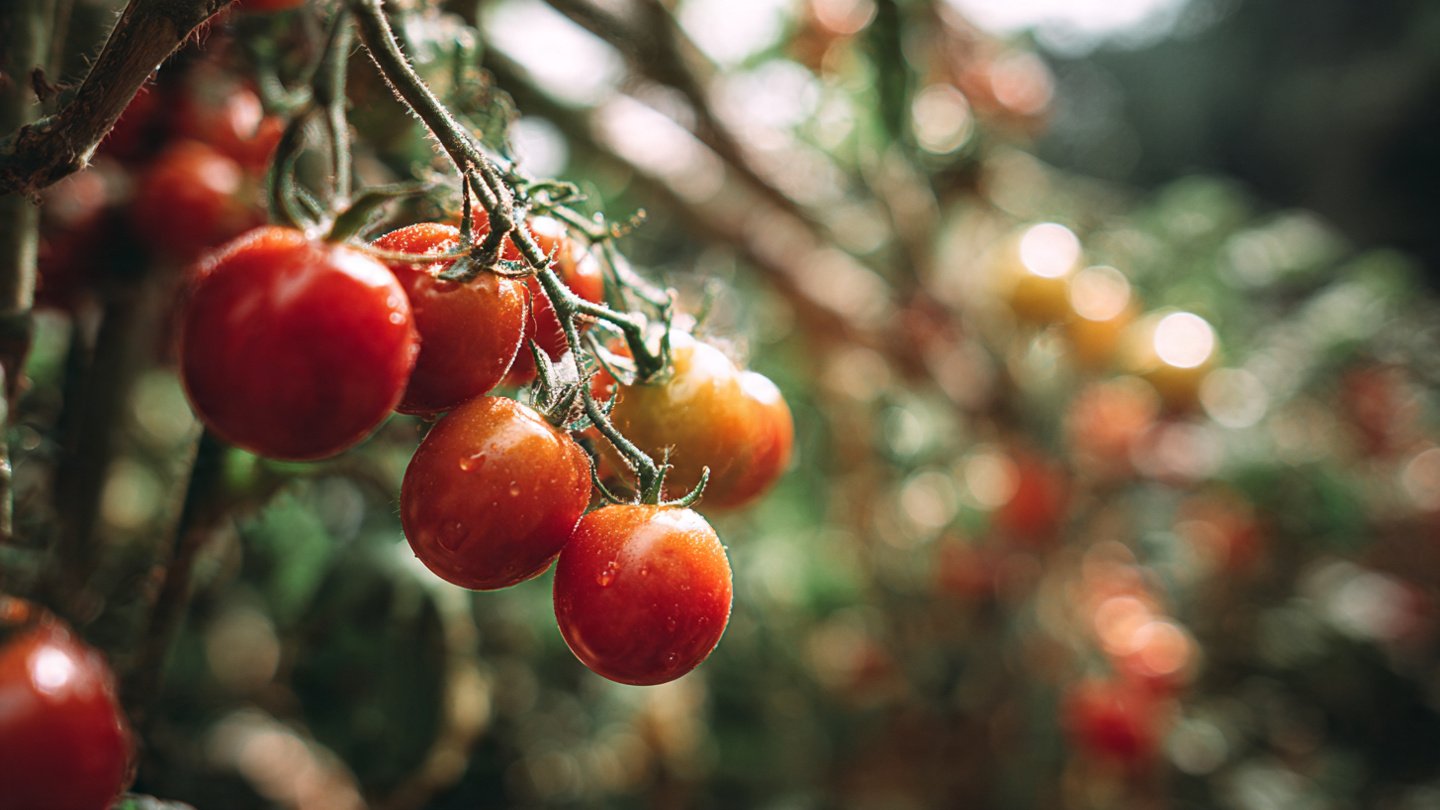
Tomatoes are one of the most beloved fruits in gardens worldwide, prized for their versatility in cooking and fresh eating. Whether you’re an experienced gardener or a beginner, propagating tomatoes from side shoots, or suckers, can be a great way to multiply your crop without the need for additional seeds or seedlings. This approach not only helps in maximizing your harvest but also aids in maintaining healthier plants. In this guide, we will explore the process and techniques for growing tomatoes from side shoots to ensure you have a bountiful harvest.
Understanding the Anatomy of Tomato Plants
Before delving into propagation methods, it’s essential to understand the structure of tomato plants. Tomatoes have:
Latest Posts
- OnePlus 15T Smartphone Unveiled – Featuring 200MP Camera, Snapdragon 8 Elite Gen 5 and Massive Battery
- Lava Yuva 5G Unveiled – 120Hz Display and Strong Performance for Everyday Use
- Nokia 1100 Launched – Premium Keypad Phone Returns at Budget Price ₹2,500
- Motorola G96 5G Unveiled – Featuring Stylish Design, Strong Performance and Advanced Camera Tech
- Vivo Y21d Unveiled – Massive 6000mAh Battery for All-Day Everyday Use
- Nothing Phone 4 Ultra 5G Launched – 16GB RAM, AI-Powered 50MP Camera and Flagship Performance
- OnePlus 5G Smartphone Launched – 300MP AI Camera, 7000mAh Battery & 100W Fast Charging
- Nothing Phone 3a Pro – High processor smartphone for gaming lovers – battery is 5000mAH
- Realme 15 Pro – 3 days battery backup smartphone with 50MP front camera under ₹28,000
- Vivo X200 FE – 12GB RAM + 256GB Storage smartphone with HD quality camera
- Main Stem: The primary support that carries nutrients from the roots.
- Branches: Derived from the main stem, these grow leaves, flowers, and fruit.
- Suckers: These small shoots emerge in the leaf axils, the junction where the leaf meets the stem.
Suckers can grow into new stems capable of producing fruit, making them ideal candidates for propagation.
Why Grow Tomatoes from Side Shoots?
Advantages of Propagation
- Cost-Effective: You can expand your garden without buying new plants.
- Strain Consistency: Propagating suckers allows you to maintain the same variety and characteristics as the parent plant.
- Space Efficiency: Suckers can be rooted and planted in containers, helping utilize limited garden space.
- Healthier Plants: Regular pruning of suckers can lead to improved air circulation and reduced disease risk.
The Best Tomato Varieties for Growing from Side Shoots
Certain tomato varieties are more conducive to propagating from suckers. Indeterminate varieties, which continue to grow and produce throughout the season, are ideal for this purpose. Some popular indeterminate varieties include:
- Roma: Known for its rich flavor and low moisture, ideal for sauces.
- Brandywine: A heirloom variety with sweet, large fruits.
- Celebrity: Robust and resistant to diseases, offering high yields.
Steps to Grow Tomatoes from Side Shoots
Step 1: Identify Healthy Side Shoots
Look for healthy suckers that are about 4-6 inches long and devoid of any signs of disease. These should be situated between the main stem and a branch. Choose suckers that have a couple of sets of leaves for the best chance of rooting.
Step 2: Prepare Your Materials
For successful propagation, you’ll need:
- Sharp scissors or shears: To ensure clean cuts.
- Rooting hormone (optional): Encourages faster root development.
- Containers: Small pots or seed trays filled with seed-starting mix or a light potting mix.
- Water: For hydration after planting the suckers.
Step 3: Take the Cuttings
Using your scissors, cut the sucker from the main plant just below a leaf node. Make sure the cut is clean to reduce the risk of disease. If desired, dip the cut end in rooting hormone to promote root growth.
Step 4: Plant the Cuttings
Place the cut end of the sucker into the prepared container filled with potting mix. Bury about half of the cutting, ensuring at least one set of leaves remains above the soil. Firm the soil around the base to eliminate air pockets.
Step 5: Water and Provide Proper Conditions
Water the soil thoroughly but avoid waterlogging. Place the containers in a warm area receiving indirect sunlight. If you’re concerned about humidity, cover the cuttings with plastic bags or a plastic dome to create a greenhouse-like environment. Ensure good ventilation to prevent mold.
Step 6: Watch for Root Development
Within one to three weeks, the cuttings should begin to develop roots. You’ll know they’re ready when you see new growth—this indicates that the cuttings have established roots. At this point, gradually acclimate the young plants to outdoor conditions by hardening them off.
Step 7: Transplant the New Plants
Once the seedlings are robust and have developed a strong root system, you can transplant them into your garden or larger containers. Choose a sunny location with well-draining soil. Space them at least 18-24 inches apart to allow for adequate growth.
Step 8: Ongoing Care for Healthy Growth
-
Watering: Maintain consistent moisture, avoiding both drought and waterlogging. Tomatoes need approximately 1-2 inches of water per week.
-
Fertilizing: Use a balanced fertilizer or one that is higher in potassium once plants start to flower for improved fruit development.
-
Pruning: Remove any unnecessary suckers and yellowing leaves to promote better airflow around the plants.
-
Staking or Caging: Support the plants as they grow to avoid damage and disease.
Common Challenges and Solutions
- Pests: Monitor your plants for common pests like aphids, mites, and hornworms. Use insecticidal soap or neem oil as needed.
- Diseases: Ensure proper spacing and airflow to prevent fungal diseases. Rotate crops yearly to minimize disease buildup in the soil.
- Blossom End Rot: This common issue stems from inconsistent watering and calcium deficiency. Ensure regular irrigation and consider applying calcium to the soil.
FAQs
1. How long does it take for tomato suckers to root?
Tomato suckers typically take 1 to 3 weeks to develop roots, depending on environmental conditions and the variety.
2. Can I grow tomatoes from suckers in water?
Yes, you can root tomato suckers in water. Place the cut end in a glass of water, ensuring that leaves are above the water level, and change the water regularly. After roots develop, transplant them into soil.
3. What time of year is best for taking suckers?
The best time to take suckers for propagation is late spring to early summer when the parent plant is actively growing.
4. Do I need special equipment to propagate tomato suckers?
You don’t need specialized equipment, but sharp scissors, containers, and potting mix are essential for successful propagation.
5. Should I water the plants differently after transplanting?
After transplanting, keep the soil consistently moist but not soggy, gradually allowing the top inch of soil to dry out between waterings.
6. Can I propagate suckers from determinate tomato varieties?
While it is possible, determinate varieties tend to set a specific size and number of fruit, making them less ideal for propagation from suckers compared to indeterminate varieties.
7. Is it worth growing tomatoes from suckers compared to seeds?
Growing from suckers is a quick way to produce new plants with desirable traits, making it an efficient practice if you already have mature plants.
Conclusion
Growing tomatoes from side shoots is a rewarding gardening practice that can lead to an abundant harvest. By understanding the anatomy of your plants and following the steps outlined in this guide, you’ll be well-equipped to expand your garden successfully. With proper care, attention to environmental conditions, and a little patience, you’ll enjoy the fruits of your labor well into the season. Happy gardening!