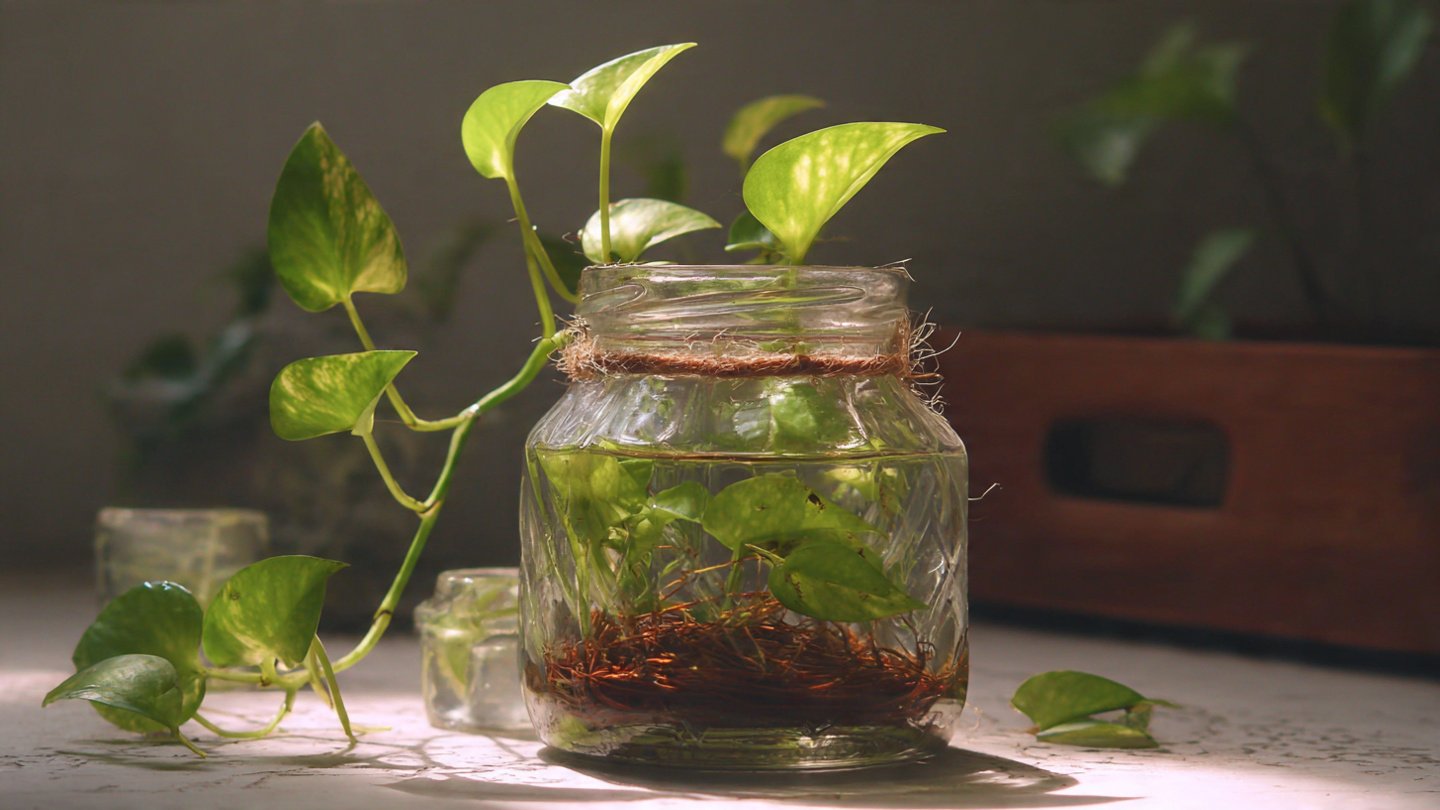
The Money Plant, also known as Pothos or Epipremnum aureum, is a popular houseplant cherished for its resilience, aesthetic appeal, and reputed ability to attract prosperity and good luck. With its vibrant green leaves and trailing vines, it adds a touch of nature to any interior space. Cultivating a Money Plant in a glass jar not only highlights its beauty but is also a simple and effective way to enjoy the wonders of indoor gardening. In this comprehensive guide, we’ll walk you through the steps to successfully grow a Money Plant in a glass jar, the necessary care tips, and an FAQ section to address common queries.
Why Choose a Glass Jar?
Using a glass jar for growing your Money Plant offers several benefits:
Latest Posts
- OnePlus 15T Smartphone Unveiled – Featuring 200MP Camera, Snapdragon 8 Elite Gen 5 and Massive Battery
- Lava Yuva 5G Unveiled – 120Hz Display and Strong Performance for Everyday Use
- Nokia 1100 Launched – Premium Keypad Phone Returns at Budget Price ₹2,500
- Motorola G96 5G Unveiled – Featuring Stylish Design, Strong Performance and Advanced Camera Tech
- Vivo Y21d Unveiled – Massive 6000mAh Battery for All-Day Everyday Use
- Nothing Phone 4 Ultra 5G Launched – 16GB RAM, AI-Powered 50MP Camera and Flagship Performance
- OnePlus 5G Smartphone Launched – 300MP AI Camera, 7000mAh Battery & 100W Fast Charging
- Nothing Phone 3a Pro – High processor smartphone for gaming lovers – battery is 5000mAH
- Realme 15 Pro – 3 days battery backup smartphone with 50MP front camera under ₹28,000
- Vivo X200 FE – 12GB RAM + 256GB Storage smartphone with HD quality camera
- Visibility: You can see the roots as they grow, which can be a fascinating and educational experience.
- Aesthetic Appeal: A glass jar provides a modern, minimalistic look that complements various home decor styles.
- Space-Efficient: Perfect for small spaces, glass jars can be placed on shelves, windowsills, or tables.
Materials Needed
Before starting your Money Plant journey, gather the following materials:
- A Healthy Money Plant Cutting: Look for a vine with at least three to four nodes; these nodes are essential for root development.
- Glass Jar: Any transparent glass container will work, from small jars to larger vases.
- Water: Preferably filtered or distilled, to avoid chemicals that could harm the plant.
- Optional Additives: You can add some marbles or stones at the bottom for aesthetic purposes and to stabilize the cutting.
Steps to Cultivate Money Plant in a Glass Jar
1. Selecting the Right Cutting
- Choose a Healthy Vine: Look for a vine that’s green and free from any signs of disease or pests. The cutting should be around 4 to 6 inches long, and ideally, it should have at least two to three nodes.
2. Preparing the Cutting
- Make the Cut: Use clean, sharp scissors or pruning shears to cut just below a node. This is where the roots will emerge.
- Remove Lower Leaves: Strip off any leaves that will be submerged in water to prevent rot and keep the cutting focused on root development.
3. Placing in the Glass Jar
- Fill the Jar with Water: Pour in enough water to fully submerge the nodes of the cutting. If you’re adding stones or marbles for decoration, place them at the bottom before filling with water.
- Position the Cutting: Place the cutting in the jar, ensuring that the nodes are submerged. The leaves should remain above the water level.
4. Providing the Right Environment
- Light Requirements: Place the jar in a location that receives bright, indirect sunlight. Avoid direct sunlight, which can scorch the leaves.
- Temperature: The ideal temperature for a Money Plant is between 60°F to 85°F (15°C to 29°C).
5. Maintaining Water Levels
- Regular Water Changes: Change the water every 2-3 weeks to prevent stagnation and algae growth. Rinse the jar while changing the water to keep it clean.
- Monitor Water Levels: Ensure that the nodes remain submerged. Add water as needed, especially in warmer months.
6. Root Development
- Patience is Key: In about 1-2 weeks, you should start noticing tiny white roots emerging from the nodes. Over time, these roots will grow longer and become thicker.
- Transplanting (Optional): If the roots become long and healthy after a few months, you might consider transplanting the Money Plant into soil for a more robust growth.
Care Tips for Thriving Money Plants
Fertilization
While a Money Plant can thrive in water, adding nutrients can significantly boost growth:
- Liquid Fertilizer: After a month, consider adding a diluted liquid fertilizer to the water every 4–6 weeks. Be cautious not to over-fertilize as this can harm the plant.
Pruning
- Encourage Growth: Regularly prune the plant to promote bushier growth. Snip off a few inches from the top of the vines to encourage branching.
- Remove Dead Leaves: Keep an eye out for yellowing or dead leaves and remove them to maintain plant health.
Pest Control
Although Money Plants are relatively pest-resistant, they can occasionally attract pests like spider mites or aphids:
- Regular Inspection: Check your plant regularly for any signs of pests and treat them promptly with insecticidal soap or neem oil.
General Health Monitoring
- Leaf Yellowing: This can indicate overwatering or poor light conditions.
- Root Rot: If the roots appear brown and mushy, the plant may suffer from root rot due to stagnant water.
Enhancing the Aesthetic
To make your Money Plant truly shine in its glass jar:
- Layering Stones: Place colorful stones or pebbles in layers for visual interest.
- Add Decorative Elements: Adding small figurines or candles next to the jar can enhance the overall look.
Longevity and Adaptation
Money Plants are known for their longevity and adaptability. With proper care, your plant can thrive for years. They are also incredibly forgiving; if you forget to water them or change the water, they typically bounce back without much issue.
Conclusion
Cultivating a Money Plant in a glass jar is a rewarding and straightforward process. Not only does it beautify your space, but it also invites a sense of tranquility and prosperity. Follow the steps and care tips outlined in this guide to enjoy the lush green growth of your Money Plant for years to come.
FAQs
1. How long does it take for a Money Plant cutting to root?
It typically takes around 1-2 weeks for visible roots to start developing. However, full rooting may take up to a month.
2. Can a Money Plant grow in soil instead of water?
Yes! While growing in water is easy and visually appealing, Money Plants thrive excellently in soil as well. They require well-draining soil and slightly moist conditions.
3. What should I do if my Money Plant is dropping leaves?
Leaf drop may be due to overwatering, underwatering, or sudden changes in temperature. Review your care routine to identify the issue and adjust accordingly.
4. Can I propagate a Money Plant in water?
Absolutely! Money Plants are easy to propagate in water. Follow the same guidelines for taking cuttings and placing them in water for roots to develop.
5. Are Money Plants toxic to pets?
Yes, Money Plants are mildly toxic to cats and dogs if ingested, causing symptoms like vomiting or mouth irritation. Keep them out of reach of pets.
6. Do Money Plants require direct sunlight?
No, they thrive in bright, indirect light. Direct sunlight can scorch the leaves and hinder growth.
By following this guide, you’ll not only nurture a beautiful plant but also cultivate a refreshing connection with nature right in your home! Happy gardening!