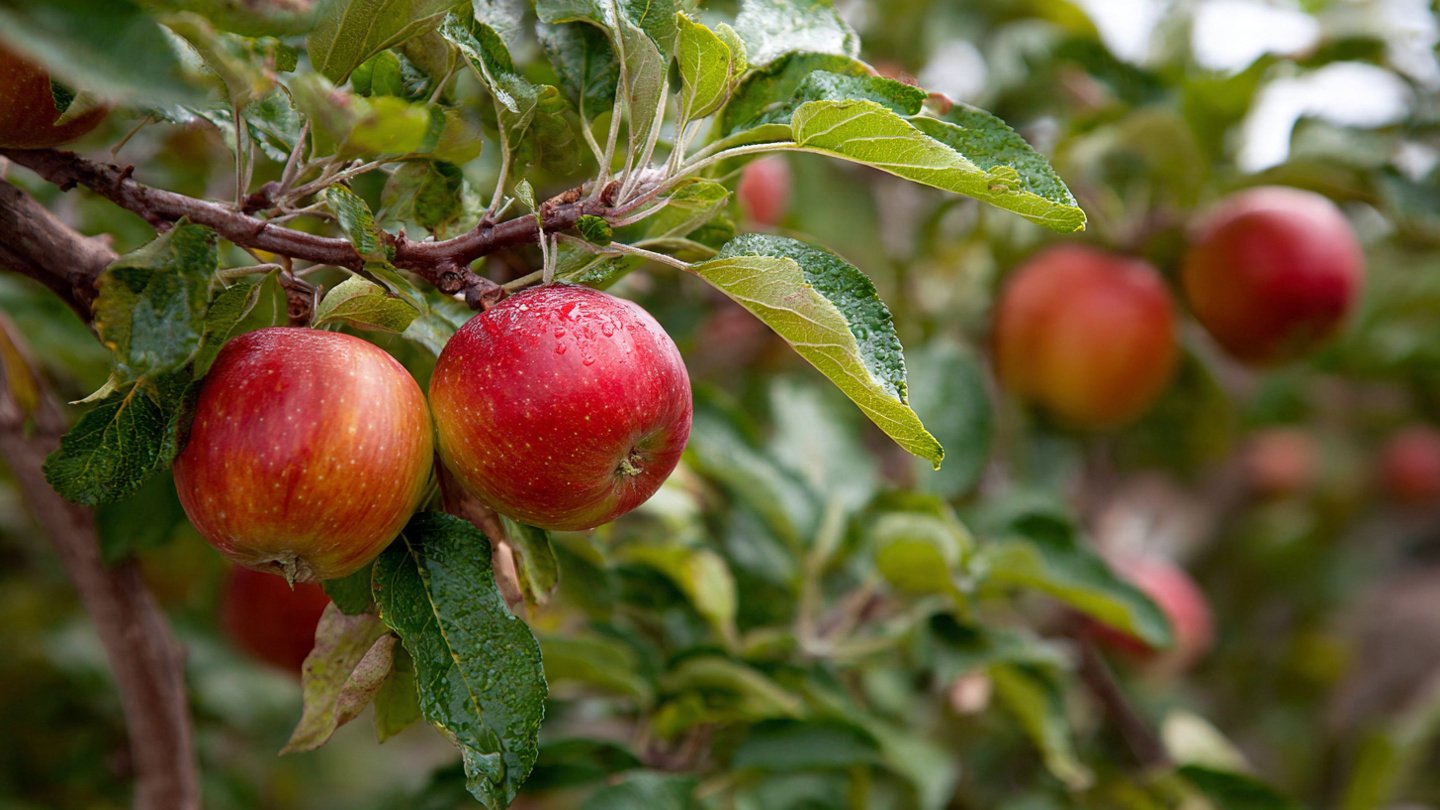
Growing apple trees can be a rewarding venture, both for home gardeners and commercial orchards. The sweet, crisp apples are not only delicious but also versatile in cooking and baking. However, apple trees face several challenges, one of which is frost. Late spring frost can be detrimental to blossoms, leading to reduced yields. In this guide, we will explore the steps to grow apple trees successfully, along with effective frost protection techniques to ensure your trees thrive.
1. Selecting the Right Variety
The first step in growing apple trees is selecting the right variety. Consider the climate, soil type, and intended use of the apples. Some popular varieties include:
Latest Posts
- OnePlus 15T Smartphone Unveiled – Featuring 200MP Camera, Snapdragon 8 Elite Gen 5 and Massive Battery
- Lava Yuva 5G Unveiled – 120Hz Display and Strong Performance for Everyday Use
- Nokia 1100 Launched – Premium Keypad Phone Returns at Budget Price ₹2,500
- Motorola G96 5G Unveiled – Featuring Stylish Design, Strong Performance and Advanced Camera Tech
- Vivo Y21d Unveiled – Massive 6000mAh Battery for All-Day Everyday Use
- Nothing Phone 4 Ultra 5G Launched – 16GB RAM, AI-Powered 50MP Camera and Flagship Performance
- OnePlus 5G Smartphone Launched – 300MP AI Camera, 7000mAh Battery & 100W Fast Charging
- Nothing Phone 3a Pro – High processor smartphone for gaming lovers – battery is 5000mAH
- Realme 15 Pro – 3 days battery backup smartphone with 50MP front camera under ₹28,000
- Vivo X200 FE – 12GB RAM + 256GB Storage smartphone with HD quality camera
- Honeycrisp: Known for its sweetness and crisp texture, great for fresh eating.
- Granny Smith: A tart variety perfect for baking and cooking.
- Gala: Sweet and juicy, excellent for snacking.
Choose varieties that are suited to your local climate and have a history of success in your area.
2. Choosing the Right Location
Apple trees thrive in well-drained soil with full sunlight for a minimum of six hours per day. When selecting a location, consider the following:
- Soil Quality: Conduct a soil test to determine pH and nutrient levels. Ideally, apple trees prefer slightly acidic soil with a pH of 6.0 to 7.0.
- Drainage: Avoid planting in low-lying areas where frost can settle.
- Air Circulation: Good airflow reduces the risk of diseases and helps mitigate frost.
3. Planting Apple Trees
Once you have chosen the right variety and location, it’s time to plant your apple trees. Follow these steps:
- Prepare the Soil: Loosen the soil in the planting area and amend it with compost or organic matter to improve fertility and drainage.
- Dig the Hole: The hole should be twice as wide but as deep as the root ball.
- Position the Tree: Place the tree in the center of the hole, ensuring the graft union (the bulge where the apple tree variety was grafted onto the rootstock) is above ground level.
- Backfill and Water: Fill the hole with soil, gently compacting as you go. Water thoroughly after planting to eliminate air pockets.
4. Watering and Fertilizing
Proper watering and fertilizing are essential for apple tree health.
Watering
- Frequency: Newly planted trees require regular watering—about 1-2 inches per week.
- Method: Use a soaker hose or drip irrigation to deliver moisture directly to the roots.
- Signs of Stress: Wilting or yellowing leaves may indicate over or underwatering.
Fertilizing
- Apply a balanced fertilizer in early spring, following the manufacturer’s instructions.
- Organic options like compost or well-rotted manure can enrich the soil.
5. Pruning and Training
Pruning apple trees is crucial for shaping and promoting fruit production.
When to Prune
- Late winter or early spring, before new growth begins, is ideal for pruning.
How to Prune
- Remove Dead or Diseased Wood: Cut back any damaged branches.
- Thin Out Crowded Areas: Ensure air can circulate around the branches.
- Train New Growth: Guide young branches to grow in a desired direction to build a strong framework.
6. Pest and Disease Management
Apple trees are susceptible to various pests and diseases. Regular monitoring is essential.
Common Pests
- Codling Moth: Affects immature fruit; use traps to control.
- Aphids: Small insects that can be managed with insecticidal soap.
Diseases
- Powdery Mildew: A fungal disease; spray with fungicides in early spring.
- Fire Blight: A bacterial disease; prune affected branches and dispose of them carefully.
7. Frost Protection Techniques
Frost can be devastating for apple blossoms, so implementing effective frost protection techniques is vital for successful fruiting.
7.1 Site Selection and Preparation
Choosing a suitable site helps reduce frost risk:
- Elevated Areas: Plant in higher elevations where cold air can drain away.
- Windbreaks: Use shrubs or trees to block cold winds, which can help moderate temperatures.
7.2 Timing of Planting
- Spring Planting: Plant apple trees in early spring after the chance of frost has passed.
- Fall Planting: If planting in fall, ensure trees are well-established before the first frost.
7.3 Microclimates
Create microclimates around your apple trees using techniques such as:
- Mulching: A thick layer of organic mulch can help retain soil warmth.
- Watering: Watering during dry spells can increase humidity, which warms the area at night.
7.4 Frost Protection Methods
-
Frost Blankets: Light cloths or tarps can be draped over trees when frost is predicted. Ensure they are anchored to prevent being blown away.
-
Heating Devices: Use small heaters or even candles placed under protective covers to provide warmth.
-
Water Spraying: Spraying trees with water during freezing temperatures can create a protective layer of ice around the buds, helping to insulate them.
-
Row Covers: These can be used to cover young trees. They are lightweight and allow sunlight through while providing a barrier against frost.
7.5 Monitoring Weather
- Keep an eye on weather forecasts, paying close attention to predicted drops in temperature.
- Have your frost protection measures ready and accessible during late spring.
8. Harvesting
The final step in your apple-growing journey is harvesting. Knowing when to pick is essential:
- Color: Look for a change in color based on the variety.
- Taste Test: Sampling fruit is the best method to determine ripeness.
- Separation: Apples should come off the tree easily when ripe.
FAQs
Q1: What is the best time to plant apple trees?
A1: The best time to plant apple trees is in early spring, after the last frost, or in the fall, about six weeks before the first expected frost.
Q2: How often should I water my apple tree?
A2: Newly planted apple trees need about 1-2 inches of water per week. Adjust based on rainfall and weather conditions.
Q3: How can I tell if my apple tree is healthy?
A3: Signs of a healthy apple tree include vibrant green leaves, robust fruit production, and a strong structure. Look out for signs of pests or disease, such as discolored leaves or stunted growth.
Q4: What are some natural methods to prevent pests?
A4: Introducing beneficial insects like ladybugs and lacewings can help. Neem oil and insecticidal soap are also effective organic treatments for managing pests.
Q5: How can I protect my apple trees from frost without spending too much money?
A5: Simple methods like using old bedsheets or frost blankets, employing row covers, or ensuring proper site selection can all be done at minimal cost.
Q6: Do apple trees need a companion tree for pollination?
A6: Most apple trees require cross-pollination from another variety for successful fruit set, so it is advisable to plant at least two different varieties within proximity.
Q7: What should I do if my apple tree flowers early and a frost is expected?
A7: If blossoms are premature, take immediate action—cover the blossoms with cloths or use portable heat sources to mitigate frost damage.
Conclusion
Growing apple trees requires careful attention from planning to harvesting. By selecting the right varieties, providing proper care, and implementing frost protection techniques, you can enjoy a bountiful harvest year after year. Whether you’re an experienced gardener or a novice, with dedication and learning, your apple trees can thrive and provide delicious fruit for your enjoyment.