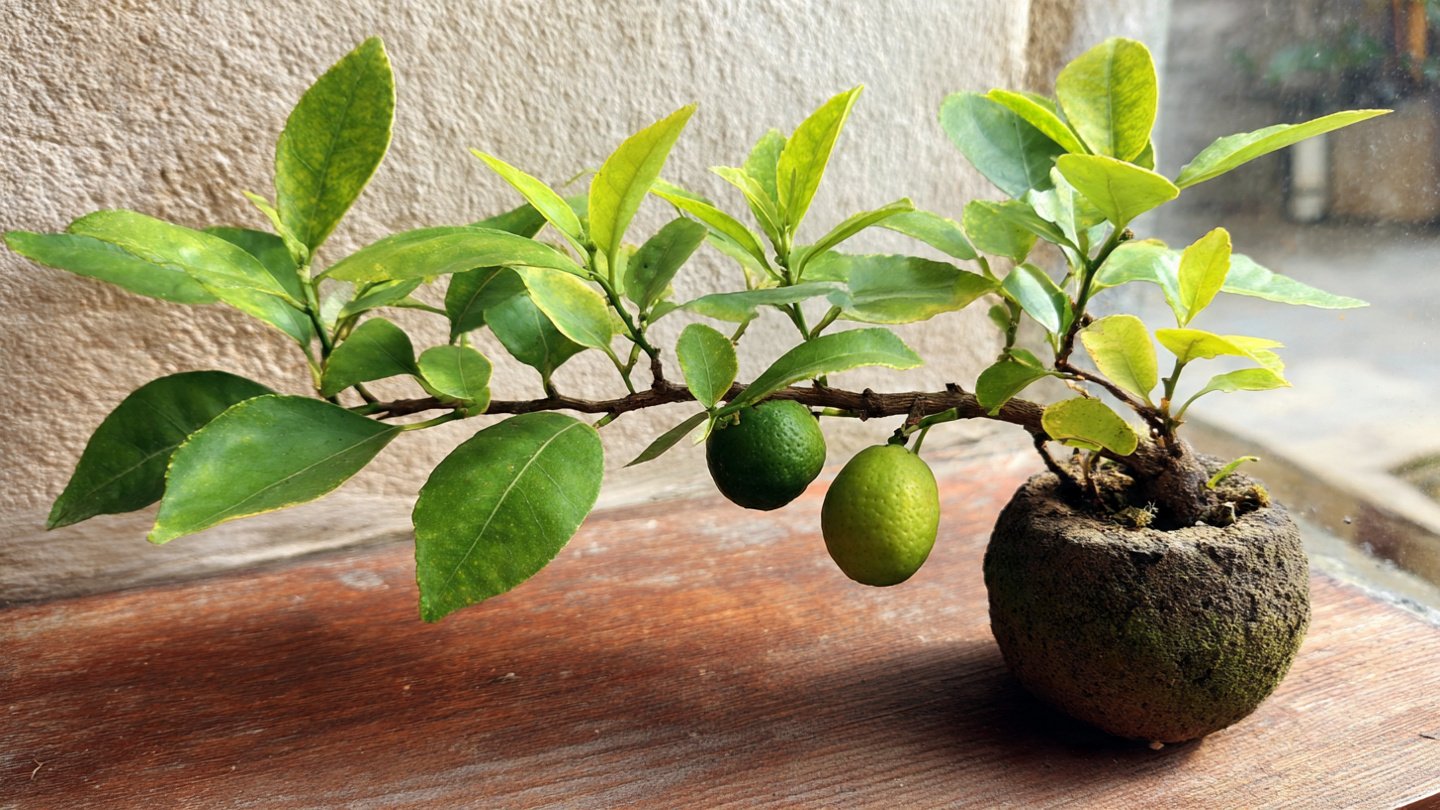
Lemon trees (Citrus limon) are not only prized for their tangy fruit but also for their fragrant blossoms and the lush greenery they add to gardens and landscapes. Growing a lemon tree from a cutting can be a rewarding experience, allowing you to nurture your own tree without the need for purchasing expensive nursery stock. This article will explore a simple technique to grow a lemon tree from semi-hardwood cuttings, making it accessible for gardeners of all skill levels.
Understanding Semi-Hardwood Cuttings
What are Semi-Hardwood Cuttings?
Latest Posts
- OnePlus 15T Smartphone Unveiled – Featuring 200MP Camera, Snapdragon 8 Elite Gen 5 and Massive Battery
- Lava Yuva 5G Unveiled – 120Hz Display and Strong Performance for Everyday Use
- Nokia 1100 Launched – Premium Keypad Phone Returns at Budget Price ₹2,500
- Motorola G96 5G Unveiled – Featuring Stylish Design, Strong Performance and Advanced Camera Tech
- Vivo Y21d Unveiled – Massive 6000mAh Battery for All-Day Everyday Use
- Nothing Phone 4 Ultra 5G Launched – 16GB RAM, AI-Powered 50MP Camera and Flagship Performance
- OnePlus 5G Smartphone Launched – 300MP AI Camera, 7000mAh Battery & 100W Fast Charging
- Nothing Phone 3a Pro – High processor smartphone for gaming lovers – battery is 5000mAH
- Realme 15 Pro – 3 days battery backup smartphone with 50MP front camera under ₹28,000
- Vivo X200 FE – 12GB RAM + 256GB Storage smartphone with HD quality camera
Semi-hardwood cuttings are taken from the current season’s growth that has begun to mature but is not yet fully hardened. This type of cutting is ideal for many woody plants, including lemon trees. The wood has a firm structure but still retains some flexibility, making it easier for roots to form as the cutting matures.
Why Use Semi-Hardwood Cuttings for Lemon Trees?
-
Cost-Effective: You are essentially propagating new lemon trees from existing plants, saving money on purchasing new plants.
-
Genetic Consistency: The new lemon trees will maintain the characteristics of the parent plant, ensuring that the fruit produced is the same variety.
-
Convenience: Growing from cuttings allows you to create more trees from a single plant without waiting for seeds to germinate and grow.
The Ideal Time for Cuttings
The best time to take semi-hardwood cuttings is during late summer or early fall. At this stage, new growth is beginning to harden, but the cuttings are still young enough to root effectively. Ensure that the parent plant is healthy and free of pests or diseases to improve the chances of successful propagation.
Preparing for Planting
Supplies You’ll Need
To grow lemon trees from semi-hardwood cuttings, gather the following tools and materials:
- A sharp, clean pair of pruning shears.
- A growing medium: a combination of peat moss, perlite, and vermiculite works well for good drainage.
- Potting containers or trays with drainage holes.
- Rooting hormone (optional, but can improve rooting success).
- Watering can or spray bottle for moisture.
Taking the Cuttings
-
Selecting the Right Stem:
- Look for healthy stems that have plenty of leaves but are not overly woody. The ideal stems should be approximately 4 to 6 inches long.
-
Making the Cut:
- Use sterilized pruning shears to cut a 4- to 6-inch segment just below a leaf node. This node is crucial as it contains meristematic tissue, which will promote root growth.
-
Removing Lower Leaves:
- Trim away the lower leaves on the cutting, leaving two to three leaves at the top. This reduces moisture loss and focuses energy on root development.
-
Applying Rooting Hormone (Optional):
- If you choose to use rooting hormone, dip the cut end of the stem into the hormone powder or gel. This inhibits fungal growth and promotes quicker root formation.
Planting the Cuttings
-
Fill Containers:
- Fill your pots or trays with the growing medium. Moisten the soil lightly before planting, ensuring it’s damp but not soggy.
-
Planting the Cuttings:
- Make a small hole in the medium with a pencil or your finger, and insert the cutting about 2 inches deep. Firm the soil around the base to hold it in place.
-
Spacing:
- If using a tray, space the cuttings about 4 inches apart to allow for airflow and reduce competition for nutrients.
Creating the Right Environment
Humidity and Temperature
Lemon cuttings thrive in a humid environment, which helps them retain moisture while developing roots. To maintain humidity:
- Cover the containers with a plastic bag or a clear plastic dome. Ensure there are small openings for ventilation to prevent mold growth.
- Place the cuttings in a warm location with indirect sunlight. Ideal temperatures are between 70°F and 80°F (21°C to 27°C).
Watering
Keep the soil consistently moist but avoid overwatering, which can cause rot. Check daily and mist the cuttings if the air feels dry. After several days, gently tug on the cuttings to feel if they have developed roots; resistance indicates successful rooting.
Transplanting Your Lemon Trees
Once the cuttings have formed roots—typically within 4 to 8 weeks—it’s time to transplant them into individual pots. Here’s how to do it:
-
Prepare Larger Pots:
- Use a well-draining potting mix.
-
Transplanting:
- Carefully remove the rooted cuttings from their initial pot without damaging the roots.
- Place each cutting in its new pot and fill in around the root base with more potting mix.
- Water lightly after planting.
-
Acclimatization:
- Gradually acclimate the young lemon plants to their new environment by introducing them to more sunlight over a week.
Care for Your New Lemon Trees
With your new lemon trees successfully transplanted, follow these care tips:
-
Watering: Keep the soil evenly moist, especially during the first few months. Once established, reduce watering frequency but ensure the tree never completely dries out.
-
Fertilization: After a few months, begin fertilizing with a balanced citrus fertilizer to encourage growth.
-
Pruning: Prune your young lemon trees to encourage bushy growth and remove any dead or weak branches.
-
Pest Control: Keep an eye out for common pests like aphids or spider mites. Use insecticidal soap if necessary.
Harvesting Your Lemons
After a few years of care, you can expect your lemon tree to start producing fruit. The time from cutting to fruiting can be about three to four years, depending on the variety and growing conditions.
Signs Your Lemons Are Ready to Harvest
- They have turned a bright yellow color.
- The skin is smooth, and the fruit feels slightly firm yet gives a little when pressed.
FAQs
1. Can I use any type of lemon tree for cuttings?
Yes, you can use various lemon tree varieties for cuttings, such as Eureka, Lisbon, or Meyer lemons, to propagate your new plants.
2. How long will it take for my lemon cutting to root?
Root development can range from 4 to 8 weeks, depending on environmental conditions. Ensure warmth and humidity for the best results.
3. Do I need to use rooting hormone?
Using rooting hormone can help improve rooting success and speed up the process but is not strictly necessary. Many gardeners successfully propagate without it.
4. How often should I water the cuttings?
Initially, keep the soil consistently moist but avoid waterlogging. After the cuttings have rooted, adjust your watering based on the season and climate conditions.
5. When can I transplant my rooted cuttings into larger pots?
Once the cuttings have developed a healthy root system, usually after 4 to 8 weeks, they can be transplanted into larger pots.
6. What should I do if my cuttings aren’t rooting?
If your cuttings aren’t rooting after several weeks, check the moisture levels and temperature. Ensure that you’re providing adequate humidity and warmth.
7. Can I grow lemon trees indoors?
Yes, you can grow lemon trees indoors. Ensure they receive plenty of bright, indirect sunlight and maintain humidity levels, especially in winter when indoor air can be dry.
Conclusion
Growing a lemon tree from semi-hardwood cuttings is an achievable task for any gardening enthusiast. With a little patience and care, you can enjoy the delight of nurturing your own lemon tree, complete with fragrant blossoms and juicy fruit. Whether you’re doing it for sheer enjoyment or to enhance your culinary repertoire, following these simple steps will have you on your way to a thriving lemon tree in no time. Happy gardening!