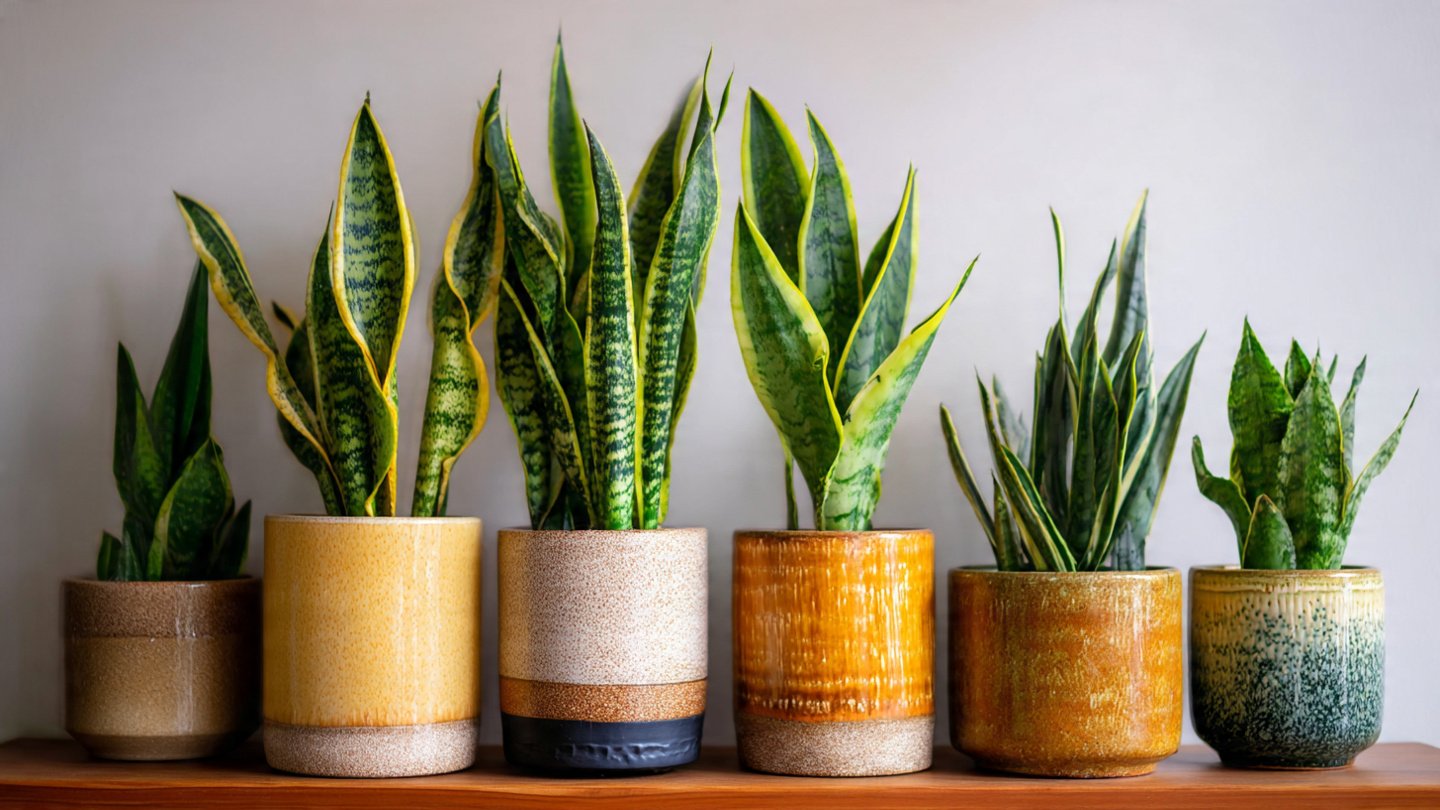
Snake plants, also known as Sansevieria or mother-in-law’s tongue, are among the most resilient houseplants, thriving in a variety of conditions. With their architectural leaves and air-purifying properties, they make an ideal choice for indoor garden enthusiasts. However, to maximize their growth and health, especially indoors, you’ll want to implement some natural strategies. This guide provides insight into the optimal care, growth strategies, and common questions regarding snake plant care.
Understanding Snake Plants
Before diving into care specifics, it’s crucial to understand the unique characteristics of snake plants:
Latest Posts
- OnePlus 15T Smartphone Unveiled – Featuring 200MP Camera, Snapdragon 8 Elite Gen 5 and Massive Battery
- Lava Yuva 5G Unveiled – 120Hz Display and Strong Performance for Everyday Use
- Nokia 1100 Launched – Premium Keypad Phone Returns at Budget Price ₹2,500
- Motorola G96 5G Unveiled – Featuring Stylish Design, Strong Performance and Advanced Camera Tech
- Vivo Y21d Unveiled – Massive 6000mAh Battery for All-Day Everyday Use
- Nothing Phone 4 Ultra 5G Launched – 16GB RAM, AI-Powered 50MP Camera and Flagship Performance
- OnePlus 5G Smartphone Launched – 300MP AI Camera, 7000mAh Battery & 100W Fast Charging
- Nothing Phone 3a Pro – High processor smartphone for gaming lovers – battery is 5000mAH
- Realme 15 Pro – 3 days battery backup smartphone with 50MP front camera under ₹28,000
- Vivo X200 FE – 12GB RAM + 256GB Storage smartphone with HD quality camera
- Scientific name: Sansevieria trifasciata
- Origin: Native to West Africa, these plants are well-adapted to arid environments and can tolerate neglect.
- Varieties: Common varieties include ‘Laurentii,’ ‘Moonshine,’ and ‘Futura.’
Their robust nature allows them to cope with varying light levels and temperatures, making them a popular choice for homes and offices. Understanding their basic needs is the first step towards promoting healthy growth.
Optimal Conditions for Snake Plants
Light
Snake plants prefer bright, indirect light but can tolerate low-light conditions. Here’s how to maximize their light exposure:
- Positioning: Place them near windows but avoid direct sunlight, which can scorch their leaves. If your home has low light, they can still thrive, but growth will slow down.
- Rotating: Periodically rotating the pot helps ensure even exposure to light, fostering symmetrical growth.
Water Requirements
Overwatering is a common issue with snake plants. Here are tips for their watering needs:
- Soil Moisture: Allow the top 1-2 inches of soil to dry out before watering again. During winter months, reduce watering as the plant’s growth naturally slows.
- Technique: Water deeply but infrequently. Ensure pots have drainage holes to prevent water accumulation.
Soil Selection
Using the right soil can make a significant difference in plant health.
- Well-Draining Mix: Opt for cactus or succulent potting mixes, which provide excellent drainage. You can also create your own mix by combining regular potting soil with sand or perlite.
- pH Level: A slightly acidic to neutral pH (6.0–7.0) is ideal for snake plants.
Natural Growth Boosters
Fertilization
While snake plants don’t require much fertilization, feeding them during the growing season can promote robust growth.
- Organic Fertilizers: Use diluted liquid fertilizer (like fish emulsion) every 4-6 weeks from spring to early fall. Avoid fertilizing during the winter months.
- Compost Tea: This can be a nutrient-rich alternative that helps improve soil quality without chemical additives.
Humidity
Snake plants are tolerant of dry conditions; however, maintaining a bit of humidity can boost growth.
- Grouping: Placing plants close together can create a microenvironment with slightly higher humidity levels.
- Misting: Occasionally misting the leaves can help, but be careful not to overdo it, as excessive moisture can lead to rot.
Temperature
These plants flourish between 60°F and 80°F (15°C to 27°C).
- Avoid Extremes: Protect them from extreme temperature fluctuations and drafts, as this can stress the plant.
- Winter Care: If you live in a colder climate, ensure that they are kept indoors during the winter months.
Propagation Techniques
Propagating snake plants can be a rewarding process, encouraging growth while allowing you to expand your plant collection.
Leaf Cuttings
- Choose Healthy Leaves: Select healthy, mature leaves and cut them into sections, about 4-6 inches long.
- Letting Them Callus: Allow the cut edges to dry for a few days before planting. This reduces the risk of rot.
- Planting: Place the cut ends into well-draining soil. Water lightly and keep the soil just barely moist until roots develop.
Division
This is effective for larger, established plants.
- Remove the Plant from Pot: Gently take the plant out of its pot, being careful not to damage roots.
- Separate the Rhizomes: Use a clean knife to cut through the rhizomes, ensuring each division has roots attached.
- Re-pot: Replant the divisions in their pots and care for them as you would a mature snake plant.
Pests and Diseases
Though resilient, snake plants can occasionally fall prey to pests and diseases.
Common Pests
- Mealybugs and Spider Mites: Keep an eye out for these common houseplant pests, which can sap the plant’s strength. You can manage infestations with neem oil or insecticidal soap.
- Scale: If you notice sticky substances on the leaves, it may indicate a scale infestation. Treat with rubbing alcohol or a cotton swab dipped in neem oil.
Disease Prevention
- Rotting Roots: Ensure pots have proper drainage and avoid consistent moisture to prevent root rot.
- Fungal Issues: Good air circulation and proper watering practices help mitigate these risks.
Seasonal Care
Snake plants require slightly altered care throughout the seasons.
Spring and Summer
- Growth Phase: This is the active growing period. Fertilize and water more frequently.
- Light: Ensure they are receiving adequate light as days lengthen.
Fall and Winter
- Dormancy: Growth slows down. Water less frequently and refrain from fertilizing.
- Temperature Control: Keep them away from drafty windows or heating vents.
Frequently Asked Questions (FAQs)
1. Can snake plants grow in direct sunlight?
Snake plants can tolerate direct sunlight but generally prefer bright, indirect light. Too much direct sunlight can scorch their leaves.
2. How often should I water my snake plant?
Water your snake plant when the top 1-2 inches of soil feel dry. Typically, this means watering every 2-6 weeks, depending on light and humidity levels.
3. Can snake plants adapt to low light conditions?
Yes, snake plants can thrive in low light conditions, although their growth may be slower compared to brighter environments.
4. What type of soil is best for snake plants?
Use a well-draining soil mix, such as cactus or succulent potting soil, or create your own by mixing regular potting soil with sand or perlite.
5. How can I tell if my snake plant is overwatered?
Signs of overwatering include yellowing leaves, an unpleasant smell from the soil, and mushy stems. Ensure pots have drainage holes and allow soil to dry out between waterings.
6. Is it necessary to fertilize snake plants?
While not mandatory, fertilizing during the growing season can promote healthier growth. Use diluted liquid fertilizer or compost tea every 4-6 weeks.
7. How can I propagate my snake plant?
Snake plants can be propagated using leaf cuttings or by division. Allow cuttings to callus before planting and ensure each division has roots when separating.
8. What are the common pests that affect snake plants?
Common pests include mealybugs, spider mites, and scale insects. Use neem oil or insecticidal soap to manage infestations.
By following these guidelines, you can ensure your snake plants thrive indoors, bringing not only beauty but also improved air quality to your space. Happy gardening!