Introduction
Quince trees (Cydonia oblonga) are often overlooked in favor of more common fruit trees. However, with their stunning blossoms, aromatic fruits, and remarkable versatility, quince trees can make a great addition to any backyard. This guide will cover everything you need to know about growing quince trees, from selecting the right variety to planting, care, and harvesting.
Understanding Quince Trees
Latest Posts
- OnePlus 15T Smartphone Unveiled – Featuring 200MP Camera, Snapdragon 8 Elite Gen 5 and Massive Battery
- Lava Yuva 5G Unveiled – 120Hz Display and Strong Performance for Everyday Use
- Nokia 1100 Launched – Premium Keypad Phone Returns at Budget Price ₹2,500
- Motorola G96 5G Unveiled – Featuring Stylish Design, Strong Performance and Advanced Camera Tech
- Vivo Y21d Unveiled – Massive 6000mAh Battery for All-Day Everyday Use
- Nothing Phone 4 Ultra 5G Launched – 16GB RAM, AI-Powered 50MP Camera and Flagship Performance
- OnePlus 5G Smartphone Launched – 300MP AI Camera, 7000mAh Battery & 100W Fast Charging
- Nothing Phone 3a Pro – High processor smartphone for gaming lovers – battery is 5000mAH
- Realme 15 Pro – 3 days battery backup smartphone with 50MP front camera under ₹28,000
- Vivo X200 FE – 12GB RAM + 256GB Storage smartphone with HD quality camera
What Are Quince Trees?
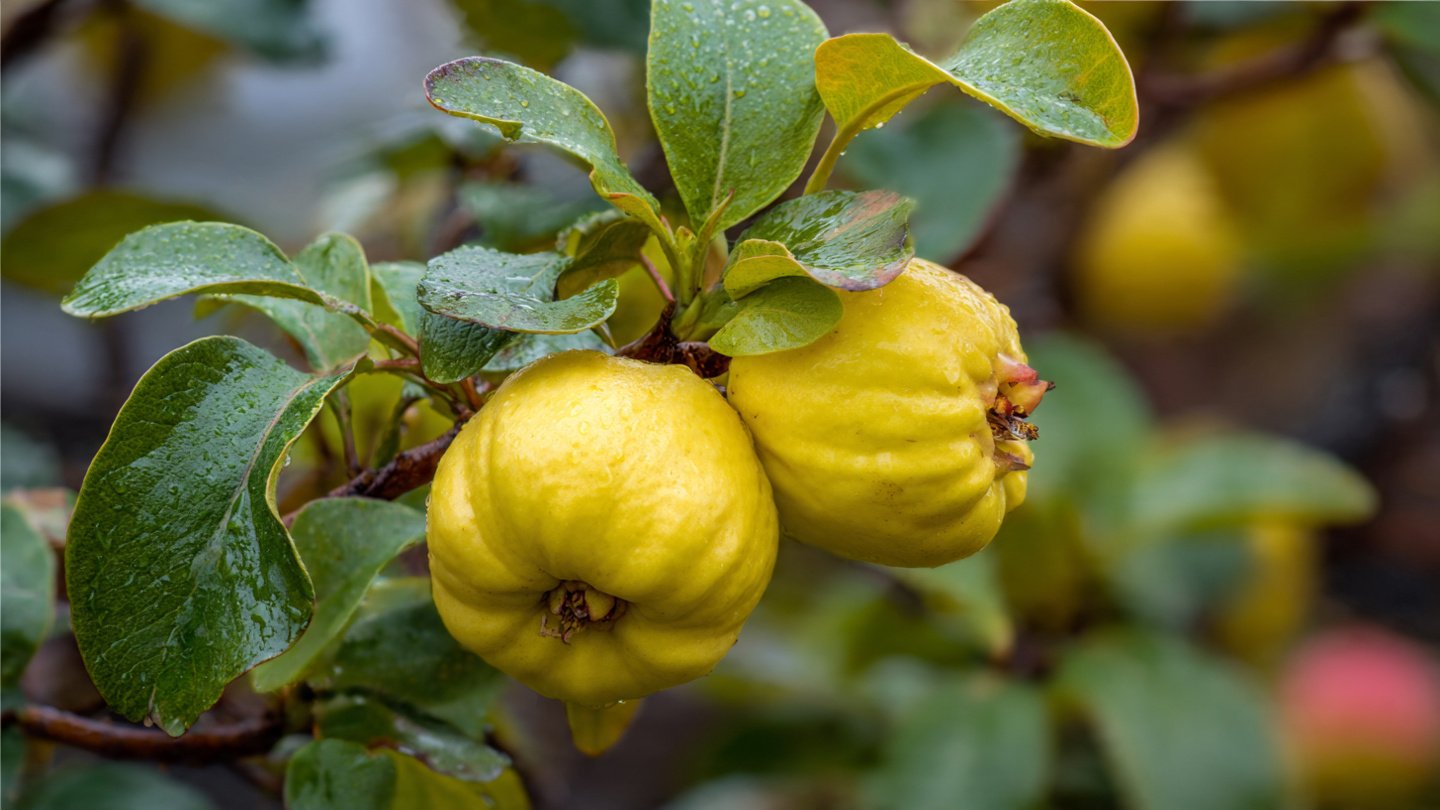
Quince trees are deciduous trees known for their yellow, fragrant fruits. These fruits are not typically eaten raw due to their hard texture but are excellent for cooking, making jams, or preserving. The trees themselves can grow anywhere between 10 to 15 feet tall and often feature light green leaves and stunning pink or white blossoms in spring.
Varieties of Quince
There are a few popular varieties of quince that you may want to consider:
- Pineapple Quince: Known for its unique flavor and smooth texture, this variety can be eaten fresh but is often used for cooking.
- Orange Quince: This variety is larger and sweeter, making it ideal for desserts.
- Smyrna Quince: Used primarily for jams and jellies, this variety has a rich flavor.
Choosing the Right Location
Climate Requirements
Quince trees thrive best in temperate climates. They require a chilling period during winter, so they do best in USDA hardiness zones 5 to 9. While they can tolerate some frost, they are sensitive to extreme cold temperatures.
Sunlight
Select a location that receives at least six hours of direct sunlight per day. Full-sun exposure helps produce better fruit yields and assists in preventing diseases.
Soil Conditions
Quince trees prefer well-draining soil that is rich in organic matter. Aim for slightly acidic to neutral pH levels (between 6.0 and 7.0). Sandy loam is ideal, as it retains moisture without becoming waterlogged.
Planting Quince Trees
When to Plant
The best time to plant quince trees is in early spring or fall when the risk of frost has passed. This allows the trees to establish themselves before the heat of summer or the cold of winter.
How to Plant
-
Prepare the Site: Clear the area of weeds and rocks. Amend the soil with organic compost to improve nutrient content.
-
Dig a Hole: Create a hole that is twice as wide and just as deep as the root ball of the tree. This gives roots plenty of space to expand.
-
Plant the Tree: Place the tree in the center of the hole, ensuring that the graft union (the bulge where the tree was grafted) is above the soil line.
-
Backfill the Hole: Fill the hole with soil, gently patting down to remove any air pockets.
-
Water Thoroughly: After planting, water the tree deeply to encourage root establishment.
Spacing
If planting multiple trees, allow at least 15 to 20 feet of space between each tree to promote good air circulation and prevent the spread of diseases.
Caring for Quince Trees
Watering
Newly planted quince trees require regular watering to establish strong roots. Water deeply once a week, reducing frequency as the tree matures. Established trees may only need watering during drought periods.
Fertilizing
Fertilize quince trees in early spring with a balanced, slow-release fertilizer. Follow the manufacturer’s recommendations for application rates. Over-fertilizing can harm the tree, so proceed with caution.
Pruning
Pruning is essential for maintaining the shape and health of the tree. The best time to prune quince trees is in late winter or early spring before new growth begins. Focus on:
- Removing dead or diseased branches.
- Thinning out crowded areas to improve air circulation.
- Encouraging a central leader to establish a strong structure.
Pest and Disease Management
Quince trees are relatively pest-resistant but can be affected by various diseases. Here are some common issues:
- Cedar-Quince Rust: This fungus can cause lesions on leaves and fruit. Remove any affected plant parts and apply a fungicide if necessary.
- Fire Blight: A bacterial disease that can kill branches. Cut back affected areas to healthy tissue and disinfect pruners after each cut.
Mulching
Applying a 2-3 inch layer of organic mulch around the base of the tree can help retain moisture, suppress weeds, and improve soil quality as it decomposes.
Harvesting Quince
When to Harvest
Quince fruits typically become ripe in late fall, usually from October to November depending on the variety and climate. They will be yellow and emit a strong fragrance when ready for harvest.
How to Harvest
Gently twist or cut the fruit from the branch to avoid damaging the tree. Handle the fruits carefully as they can bruise easily.
Storage
Quince fruits can be stored in a cool, dark place for several weeks. However, for longer-term storage, consider making preserves, jellies, or other canned goods.
FAQs
1. Can quince trees be grown in containers?
Yes, quince trees can be grown in large containers. Make sure the pot has adequate drainage holes and use a high-quality potting mix.
2. How long does it take for a quince tree to bear fruit?
Most quince trees will begin to bear fruit 3-5 years after planting, depending on the variety and growing conditions.
3. Are quince trees self-pollinating?
Most quince varieties are self-pollinating, though planting multiple trees can improve fruit yields.
4. Can I eat quince raw?
Raw quince should be avoided as it is hard and sour. It is best used for cooking or making preserves.
5. How much sunlight does a quince tree need?
Quince trees require at least six hours of direct sunlight daily for optimal growth and fruit production.
6. Is it necessary to prune quince trees?
Yes, regular pruning helps maintain the tree’s shape, encourages healthy growth, and ensures good air circulation to prevent diseases.
7. What are common pests that affect quince trees?
Common pests include aphids and mites. Regular monitoring and proper care can help manage these pests.
Conclusion
Growing quince trees can be rewarding and fruitful (literally!). With the right care, location, and attention to detail, you can enjoy not only the beauty of the tree itself but also the aromatic, versatile fruit it produces. Whether you’re looking to enhance your garden or create culinary delights, quince trees are an excellent addition to your backyard landscape. Happy gardening!