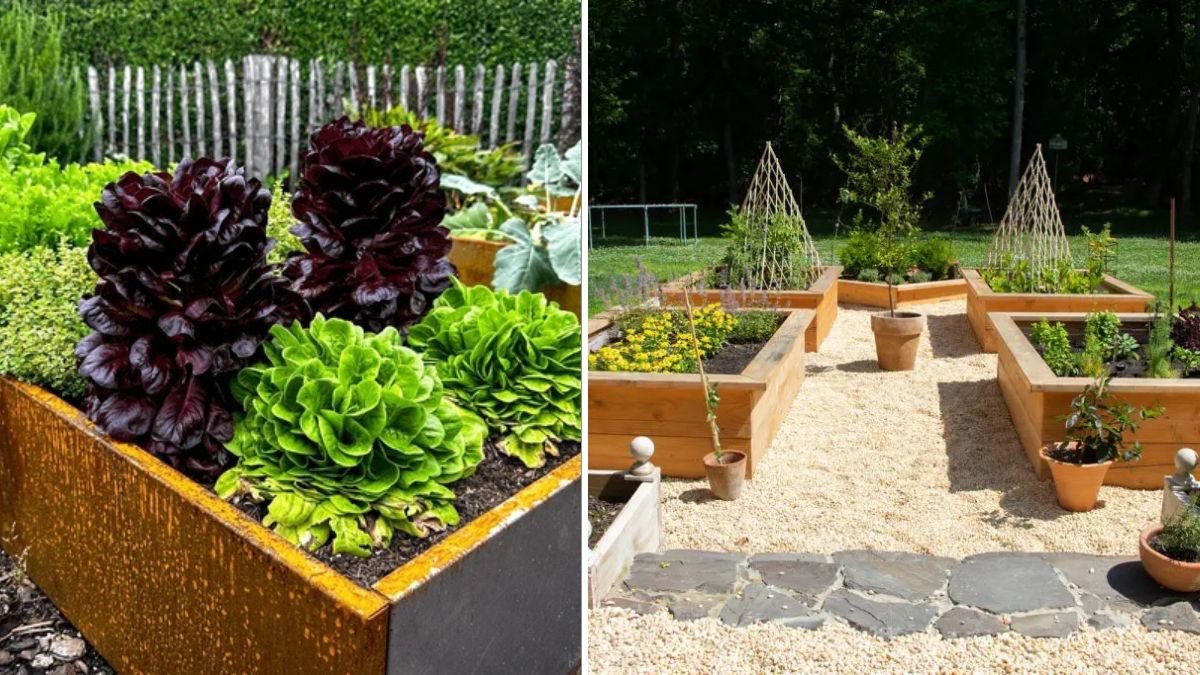
Gardening across the United States and Europe requires an understanding of diverse climates and growing conditions. From cold northern regions to warm southern zones, plant care varies significantly. Soil types, daylight hours, and seasonal lengths differ widely. A single gardening method does not fit all regions. Home gardeners often struggle due to climate mismatches. Choosing the right techniques improves success rates dramatically. This guide simplifies gardening for both regions. It focuses on adaptable methods that work across zones. Beginners and experienced gardeners benefit equally. Understanding local conditions is the key to success.
1. Understanding Climate Zones in the US and Europe
Climate zones determine planting times and crop choices. The US uses USDA hardiness zones. Europe relies on temperature and seasonal averages. Northern zones have shorter growing seasons. Southern zones allow extended planting periods. Frost dates vary significantly. Knowing your zone prevents planting failures. Zone awareness improves yield consistency. Matching crops to climate reduces stress. Climate knowledge saves time and effort. This foundation supports all gardening decisions.
2. Choosing Crops That Perform Well Across Regions
Certain vegetables adapt well across climates. Tomatoes, lettuce, beans, and onions grow widely. Cold-tolerant crops suit northern regions. Heat-loving plants thrive in southern zones. Choosing adaptable varieties increases success. Hybrid seeds often offer resilience. Local seed suppliers provide region-tested options. Avoid exotic crops initially. Start with reliable vegetables. Crop selection defines long-term productivity.
3. Soil Preparation for Different Regions
Soil quality varies across the US and Europe. Sandy soils drain quickly but lack nutrients. Clay soils retain water but compact easily. Adding organic matter improves all soil types. Compost enhances fertility and structure. Soil testing helps identify deficiencies. Balanced soil supports healthy roots. Proper preparation prevents growth issues. Good soil reduces pest pressure. Healthy soil ensures consistent harvests.
4. Container Gardening as a Universal Solution
Container gardening works well in both regions. It overcomes poor soil conditions. Containers allow mobility across seasons. Balconies, patios, and small yards benefit greatly. Drainage control improves root health. Containers warm faster in spring. They reduce soil-borne diseases. Urban gardeners rely heavily on containers. This method suits beginners perfectly. Containers provide flexibility and control.
Latest Posts
- OnePlus 15T Smartphone Unveiled – Featuring 200MP Camera, Snapdragon 8 Elite Gen 5 and Massive Battery
- Lava Yuva 5G Unveiled – 120Hz Display and Strong Performance for Everyday Use
- Nokia 1100 Launched – Premium Keypad Phone Returns at Budget Price ₹2,500
- Motorola G96 5G Unveiled – Featuring Stylish Design, Strong Performance and Advanced Camera Tech
- Vivo Y21d Unveiled – Massive 6000mAh Battery for All-Day Everyday Use
- Nothing Phone 4 Ultra 5G Launched – 16GB RAM, AI-Powered 50MP Camera and Flagship Performance
- OnePlus 5G Smartphone Launched – 300MP AI Camera, 7000mAh Battery & 100W Fast Charging
- Nothing Phone 3a Pro – High processor smartphone for gaming lovers – battery is 5000mAH
- Realme 15 Pro – 3 days battery backup smartphone with 50MP front camera under ₹28,000
- Vivo X200 FE – 12GB RAM + 256GB Storage smartphone with HD quality camera
5. Seasonal Planting Strategies
Spring planting timing differs across regions. Northern zones plant later due to frost risk. Southern zones start earlier. Fall gardening extends harvests in mild climates. Season extension tools improve yields. Planning avoids weather damage. Understanding seasonal patterns prevents losses. Staggered planting ensures continuous harvests. Seasonal awareness improves efficiency. Timing determines success.
6. Watering Methods That Work Everywhere
Consistent watering is essential across climates. Overwatering causes root problems. Underwatering stresses plants. Drip irrigation saves water efficiently. Morning watering reduces evaporation. Mulching helps retain moisture. Containers dry faster than ground soil. Climate influences watering frequency. Monitoring soil moisture prevents mistakes. Balanced watering supports healthy growth.
7. Sunlight Management in Different Latitudes
Sunlight hours vary greatly. Northern regions receive longer summer daylight. Southern areas get stronger sun intensity. Position plants accordingly. Rotate containers for even exposure. Shade cloth protects plants in heat. Insufficient light reduces flowering. Proper light management improves yields. Understanding sun patterns helps planning. Sun awareness is essential.
8. Fertilization Across Regions
Nutrient needs remain similar worldwide. Nitrogen supports leafy growth. Phosphorus promotes roots and flowers. Potassium improves fruit quality. Organic fertilizers work universally. Compost tea suits containers and beds. Avoid over-fertilization. Climate affects nutrient uptake. Balanced feeding ensures success. Feeding schedules improve consistency.
9. Pest Differences Between US and Europe
Common pests vary by region. Aphids and caterpillars appear everywhere. Some pests are climate-specific. Regular inspection prevents infestations. Neem oil works universally. Healthy plants resist pests better. Crop rotation reduces pest buildup. Clean gardens discourage insects. Natural control is effective. Early action saves crops.
10. Disease Prevention Techniques
Fungal diseases thrive in humidity. Avoid overhead watering. Ensure good airflow. Use disease-resistant varieties. Clean tools regularly. Remove infected plants quickly. Crop rotation reduces disease recurrence. Container gardening minimizes soil diseases. Prevention saves effort. Clean practices ensure longevity.
11. Mulching for Climate Control
Mulching benefits all regions. It regulates soil temperature. Mulch conserves moisture. Organic mulch improves soil health. Straw and leaves work well. Mulch suppresses weeds naturally. Seasonal mulching protects roots. Containers also benefit from mulch. Mulching reduces maintenance. Simple mulch improves results.
12. Vertical Gardening for Space Efficiency
Vertical gardening maximizes small spaces. Trellises suit cucumbers and beans. Wall planters work for herbs. Vertical growth improves airflow. Fruits stay clean. Space-saving designs suit urban homes. This method works across climates. Support structures must be sturdy. Vertical gardening increases yield. Space efficiency matters everywhere.
13. Cold Protection Methods
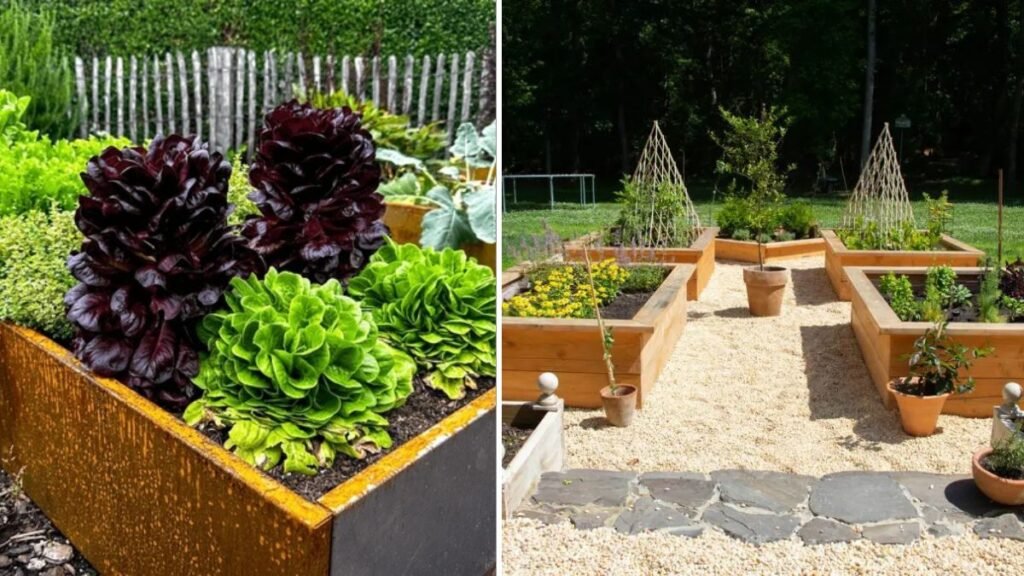
Northern regions require frost protection. Row covers protect young plants. Containers can be moved indoors. Mulch insulates roots. Cold frames extend seasons. Timing protection prevents losses. Cold awareness improves survival. Southern gardeners rarely need frost control. Preparation ensures resilience. Climate adaptation is essential.
14. Heat Protection in Warmer Zones
Heat stress affects southern regions. Shade cloth reduces sun damage. Mulching keeps roots cool. Afternoon shade prevents wilting. Heat-tolerant varieties perform better. Consistent watering reduces stress. Monitoring weather helps planning. Containers heat quickly. Heat management improves yield. Protection prevents flower drop.
15. Harvest Timing Differences
Harvest times vary by region. Warmer climates mature crops faster. Cooler zones need patience. Harvest at peak ripeness. Frequent harvesting encourages production. Morning harvest preserves freshness. Correct timing improves flavor. Climate affects growth speed. Observation ensures quality. Harvest awareness matters.
16. Year-Round Gardening Possibilities
Southern zones allow year-round growing. Northern regions rely on season extension. Greenhouses and tunnels help. Indoor gardening supports winter production. Containers move indoors easily. Planning enables continuous harvests. Adaptability is key. Climate limits can be managed. Year-round gardening is possible. Strategy ensures success.
17. Sustainability in Regional Gardening
Local gardening reduces food miles. Composting recycles waste. Water conservation matters globally. Native plants support biodiversity. Sustainable practices benefit ecosystems. Small gardens make impact. Responsible gardening protects resources. Sustainability is universal. Gardening supports environmental health. Conscious practices matter.
18. Beginner Mistakes to Avoid
Planting too early causes losses. Overwatering is common. Ignoring climate leads to failure. Poor soil preparation limits growth. Skipping pest checks worsens damage. Learning prevents repeat mistakes. Small changes improve results. Experience builds confidence. Awareness ensures progress. Mistake prevention improves success.
19. Tools Every Gardener Needs
Basic tools suffice for beginners. Hand trowels handle planting. Pruners manage growth. Watering cans suit containers. Gloves protect hands. Simple tools reduce costs. Quality tools last longer. Tool care matters. Minimal equipment works well. Tools support efficiency.
20. Final Thoughts on Gardening in the US and Europe
Gardening success depends on adaptation. Climate awareness improves outcomes. Simple methods work across regions. Consistency matters more than complexity. Beginners can succeed easily. Gardening builds confidence and resilience. Small spaces produce big results. Knowledge grows with experience. Start small and expand. Gardening thrives everywhere.
Table: US & Europe Gardening Overview
| Factor | Northern Zones | Southern Zones |
|---|---|---|
| Climate | Cool, short season | Warm, long season |
| Crops | Leafy greens, roots | Tomatoes, peppers |
| Water | Moderate | Frequent |
| Protection | Frost covers | Shade cloth |
| Season | Spring–Summer | Almost year-round |