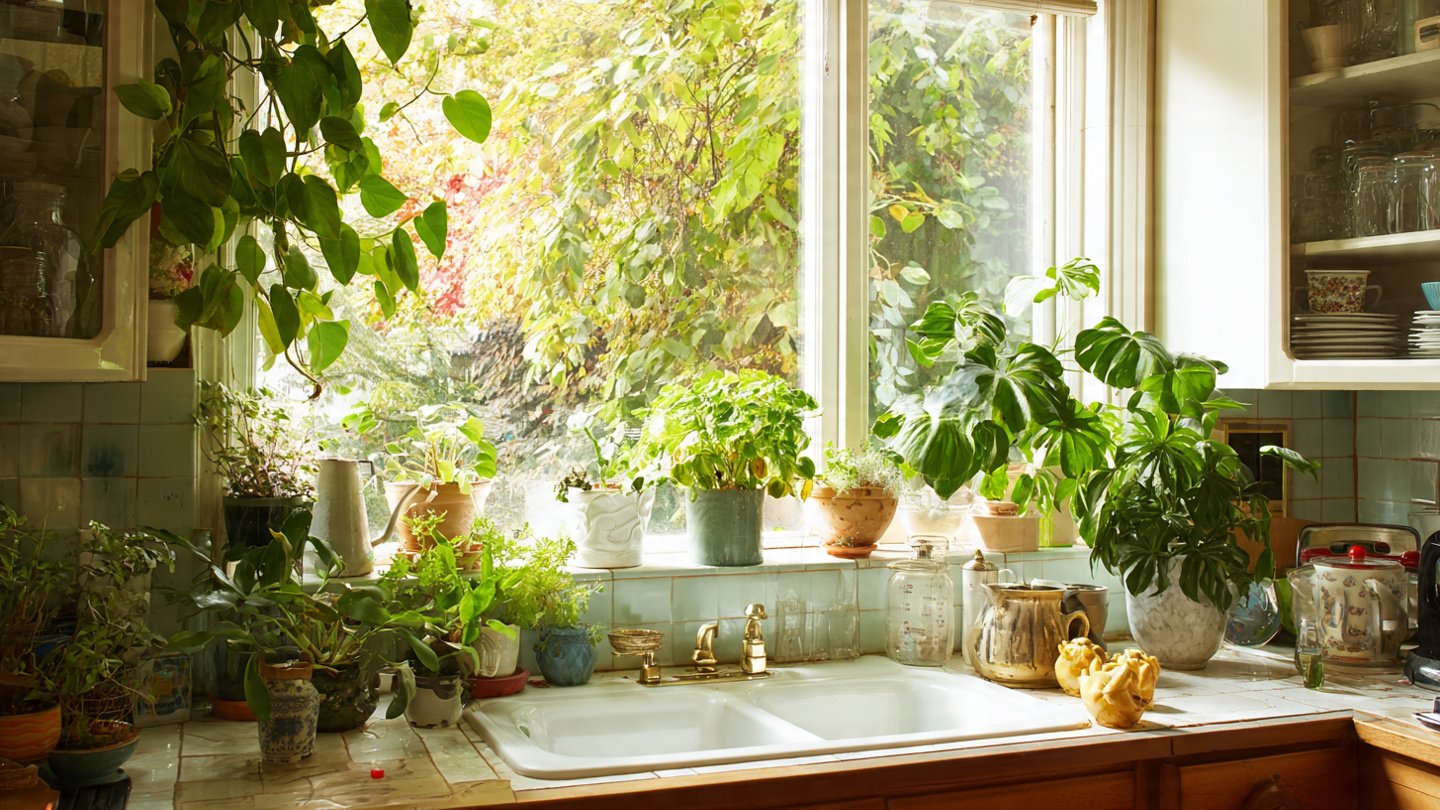
Kitchens are often the heart of the home, bustling with activity and filled with warmth and light. If you have a bright kitchen, you’re in luck when it comes to selecting the right plants. The abundance of natural light can support a wide variety of foliage that adds beauty, improves air quality, and even provides herbs for cooking. In this article, we will explore the best plants that can thrive in a bright kitchen environment, ensuring your space remains vibrant and inviting.
Benefits of Having Plants in Your Kitchen
Before delving into specific plants, it’s important to highlight the numerous benefits of incorporating greenery into your kitchen. Indoor plants can:
- Improve Air Quality: Many houseplants can filter out toxins and improve overall air quality, making your kitchen a healthier space.
- Add Aesthetic Appeal: Plants bring life to a room, softening hard surfaces and adding color and texture.
- Boost Mood: Studies show that being around plants can improve your mood and reduce stress levels.
- Provide Fresh Herbs: Growing your own herbs can enhance your culinary creations and provide fresh flavors.
Top Plants for Bright Kitchens
1. Herbs
Herbs are some of the most practical plants to grow in a sunny kitchen. Varieties such as basil, rosemary, thyme, and mint thrive in bright light, and having them on hand can elevate your cooking.
- Basil: Loves sunlight and is perfect for Mediterranean dishes.
- Rosemary: A hardy herb that can grow tall and bushy, ideal for sauces and roasts.
- Mint: Grows quickly and adds freshness to drinks and desserts.
2. Spider Plant (Chlorophytum comosum)
The spider plant is known for its air-purifying qualities and is very easy to care for. It can tolerate bright, indirect light, making it perfect for a kitchen window. The plant produces “babies,” which can be re-potted for even more greenery.
3. Pothos (Epipremnum aureum)
Pothos is a hardy plant that can adapt to a range of lighting conditions. In bright kitchens, it will grow quickly and produce beautiful trailing vines. It’s a great choice for hanging baskets or a shelf where it can cascade down.
Latest Posts
- OnePlus 15T Smartphone Unveiled – Featuring 200MP Camera, Snapdragon 8 Elite Gen 5 and Massive Battery
- Lava Yuva 5G Unveiled – 120Hz Display and Strong Performance for Everyday Use
- Nokia 1100 Launched – Premium Keypad Phone Returns at Budget Price ₹2,500
- Motorola G96 5G Unveiled – Featuring Stylish Design, Strong Performance and Advanced Camera Tech
- Vivo Y21d Unveiled – Massive 6000mAh Battery for All-Day Everyday Use
- Nothing Phone 4 Ultra 5G Launched – 16GB RAM, AI-Powered 50MP Camera and Flagship Performance
- OnePlus 5G Smartphone Launched – 300MP AI Camera, 7000mAh Battery & 100W Fast Charging
- Nothing Phone 3a Pro – High processor smartphone for gaming lovers – battery is 5000mAH
- Realme 15 Pro – 3 days battery backup smartphone with 50MP front camera under ₹28,000
- Vivo X200 FE – 12GB RAM + 256GB Storage smartphone with HD quality camera
4. Peace Lily (Spathiphyllum)
The peace lily is known for its beautiful white flowers and can thrive in bright, indirect light. It also helps to filter out harmful chemicals, making it a great addition to any kitchen. Just be mindful that this plant prefers consistent moisture.
5. Snake Plant (Sansevieria trifasciata)
Also known as mother-in-law’s tongue, the snake plant is extremely tolerant of various light conditions and requires minimal care. It can thrive in bright spots and is known for its ability to improve indoor air quality.
6. Aloe Vera
Aloe vera is another versatile plant that thrives in bright light. This succulent not only makes a striking addition to your kitchen but also offers medicinal benefits. The gel inside its leaves can be used to soothe burns and skin irritations.
7. ZZ Plant (Zamioculcas zamiifolia)
The ZZ plant is perfect for beginners and those with a busy lifestyle. It can tolerate low light but flourishes in bright indirect light. This hardy plant has glossy, dark green leaves that can add a sleek look to your kitchen.
8. Fiddle Leaf Fig (Ficus lyrata)
The fiddle leaf fig has become quite the trend in home decor. It thrives in bright, indirect light and can grow tall, making it a dramatic choice for corners in your kitchen. Just be cautious with watering, as it prefers to dry out between waterings.
Caring for Your Kitchen Plants
While it’s exciting to incorporate plants into your bright kitchen, proper care is essential to ensure their growth. Here are some tips on how to care for your kitchen plants effectively:
- Watering: Different plants have varying water needs. Make sure to research how much water each plant requires and adjust your watering schedule accordingly.
- Fertilization: Use a suitable fertilizer during the growing season (spring and summer) to encourage healthy growth. Avoid over-fertilizing, which can harm your plants.
- Repotting: As plants grow, they may need to be repotted into larger containers. This is particularly true for herbs and fast-growing varieties.
- Pest Control: Keep an eye out for pests such as aphids or spider mites. Using natural pest deterrents can keep your plants healthy.
Conclusion
Transforming your kitchen into a thriving green space is not only visually appealing but also beneficial for your well-being. With the right selection of plants, you can create an inviting atmosphere that enhances both your cooking and your mood. From herbs that elevate your dishes to stunning foliage that purifies the air, these plants will thrive in bright kitchen light, adding charm and life to your space. Choose the ones that resonate with you, and enjoy the beauty and benefits they bring to your culinary haven.
Frequently Asked Questions (FAQs)
Q1: Can I keep any plant in my kitchen with bright light?
A1: While many plants thrive in bright light, it’s essential to consider the specific care needs of the plants you choose. Look for varieties that prefer sunny environments and can handle the kitchen’s heat and humidity.
Q2: How often should I water kitchen plants?
A2: The frequency of watering depends on the plant species, environmental conditions, and potting medium. Generally, check the top inch of the soil; if it feels dry, it’s time to water.
Q3: Are there any plants that should be avoided in the kitchen?
A3: Yes, some plants can be toxic if ingested, such as philodendrons and pothos. Ensure that any plants you select are safe for cooking and not harmful if accidentally consumed.
Q4: How can I maintain the humidity for my kitchen plants?
A4: If your kitchen is relatively dry, consider grouping plants together to create a more humid microclimate. You can also use a humidity tray filled with pebbles and water or occasionally mist your plants.
Q5: Can I grow herbs indoors year-round?
A5: Yes, many herbs such as basil, chives, and parsley can be grown indoors year-round, provided they have sufficient light and the right care conditions.