Growing perfect frost-hardy autumn kale is a rewarding endeavor for any gardener. Known for its vibrant green leaves and nutrient density, kale has become a staple in many diets, particularly during the cooler months. Autumn is an ideal time to grow this hearty vegetable, and its frost-hardiness makes it particularly resilient. Here’s why cultivating perfect kale during this season can be surprisingly easy.
Kale, belonging to the Brassica family, is one of the hardiest vegetables available. This resilience allows it to thrive even when temperatures drop and cold winds start to blow. Unlike many other plants that struggle and die back when faced with the chill of autumn, kale benefits from the frost. The leaves, kissed by frost, actually become sweeter and develop a richer flavor. This is due to a natural process where plants convert starches into sugars to protect themselves against freezing temperatures.
Preparing for an autumn kale garden starts with selecting the right variety. Autumn kale comes in many different forms, including Lacinato, Curly, and Red Russian. Each variety has its unique flavor profile and texture, making it easier to find one that suits your palate. Additionally, many kale varieties are bred specifically for cold weather, ensuring that gardeners can harvest through the frost and enjoy fresh greens right from the garden.
Soil quality is another crucial factor that contributes to the ease of growing perfect kale. Kale thrives in well-drained, nutrient-rich soil with a pH level between 6.0 and 7.0. Before planting, it’s beneficial to amend the soil with organic matter, such as compost or aged manure, which not only improves drainage but also adds essential nutrients. The use of organic fertilizers will enhance the growth and overall health of the plants, supporting their ability to withstand harsh weather conditions.
Another aspect that makes growing kale during autumn simple is its relatively low maintenance requirements. Once the seedlings are established, they grow rapidly and require minimal intervention. Regular watering is essential, especially in the bloom of autumn when the weather can be unpredictable. However, kale plants are drought-tolerant and can withstand some dry spells. Mulching around the base of the plants can help retain moisture and suppress weeds, making care even easier.
Pest management is often a concern for gardeners. While kale can be susceptible to pests like aphids and cabbage worms, its hardiness makes it less vulnerable than many other crops. Implementing companion planting, where beneficial plants are sown nearby, can deter these pests. For example, planting flowers like marigolds can attract beneficial insects that prey on harmful pests. Additionally, regular inspection of the kale leaves and timely intervention can easily keep pests at bay.
When it comes to harvesting, kale offers flexibility and convenience. Unlike some crops that need to be harvested all at once, you can pick individual leaves as needed. This approach not only supplies fresh greens throughout the season but also encourages the plant to continue producing. As you harvest, the younger leaves at the top contribute to ongoing growth, ensuring a continual supply until the first heavy frost arrives.
Timing is crucial for a successful kale harvest. Planting should occur in late summer or early autumn, ideally about 6 to 8 weeks before the first expected frost in your area. This timing allows the plants to establish themselves and grow robustly before facing the chill. For those interested in extending the growing season, using row covers can provide extra protection against frost and keep the plants producing for longer periods.
One of the most appealing characteristics of kale is its versatility in the kitchen. Understanding this can motivate gardeners to cultivate it effectively. Kale can be used in salads, smoothies, soups, and stir-fries, showcasing its adaptability. Cooking it can also bring out different flavors, allowing it to appeal to a variety of tastes. This makes having a steady supply of fresh kale a valuable asset for anyone who enjoys cooking with seasonal produce.
Moreover, kale is a powerhouse of nutrients, often touted as a superfood. Rich in vitamins A, C, and K, as well as minerals like calcium and potassium, it’s a nutritional powerhouse. This high nutrient content, combined with its ability to grow in cooler weather, adds to its appeal for health-conscious gardeners. Knowing that you can produce a healthy crop with minimal resource input encourages sustainable gardening practices.
As autumn approaches, it’s essential to consider the growing conditions that can affect the success of your kale crop. Kale prefers full sun but can tolerate some shade, particularly in hotter climates. In regions with warm autumns, providing some afternoon shade can prevent the leaves from becoming too tough or bitter. A suitable location that receives plenty of sunlight, combined with proper watering and care, will lead to thriving kale plants.
Another benefit of growing frost-hardy autumn kale is its ability to improve the garden ecosystem. As part of the Brassica family, kale can help break disease cycles linked to other crops. Rotating kale with other plants can significantly enhance soil health and reduce pest issues over time. This ecological approach to gardening not only promotes sustainable practices but also increases your overall yield.
Growing kale can also be a family-friendly activity. Children love the opportunity to be involved in the gardening process, from planting seeds to harvesting and washing the greens. Teaching them about kale and its nutritional benefits can instill healthy eating habits early on. Engaging them in the garden fosters a sense of responsibility and pride in growing food, which can be particularly rewarding.
Kale is also a great crop for container gardening. Its relatively compact size means it can thrive in pots, making it accessible for those with limited space. Container gardening can extend your growing area, allowing people in urban settings to enjoy fresh produce without a traditional garden bed. Simply ensure the containers have drainage holes and use quality potting soil to help your plants flourish.
As you delve into growing perfect frost-hardy autumn kale, staying connected with local gardening communities can enhance your experience. Many regions have gardening clubs or online forums where you can share tips, advice, and harvest stories. This sense of community can provide encouragement and inspiration, making your gardening journey even more enjoyable.
Finally, understanding the life cycle of kale can greatly enhance your growing experience. Kale seeds germinate quickly, often sprouting within a week. Growing from seeds allows for a broader selection of varieties and fosters a deeper connection to the plants. Alternatively, purchasing seedlings can give you a head start, reducing the waiting time before harvesting. No matter the method, watching these plants thrive through the changing seasons is a rewarding experience.
As you consider your autumn kale crop, remember its robust nature and adaptability. With minimal effort, proper planting techniques, and a little care, you can easily grow a perfect frost-hardy crop that enhances your meals and supports your health. The combination of resilient plants, nutrient-rich soil, minimal maintenance, and the joy of harvesting provides a fulfilling gardening experience. Whether you are a seasoned gardener or a beginner, autumn kale can offer an easy and enjoyable way to connect with the earth while enriching your diet. Embrace the season, plant your kale, and appreciate the splendor of homegrown produce, turning your garden into a bountiful oasis even in cooler weather.
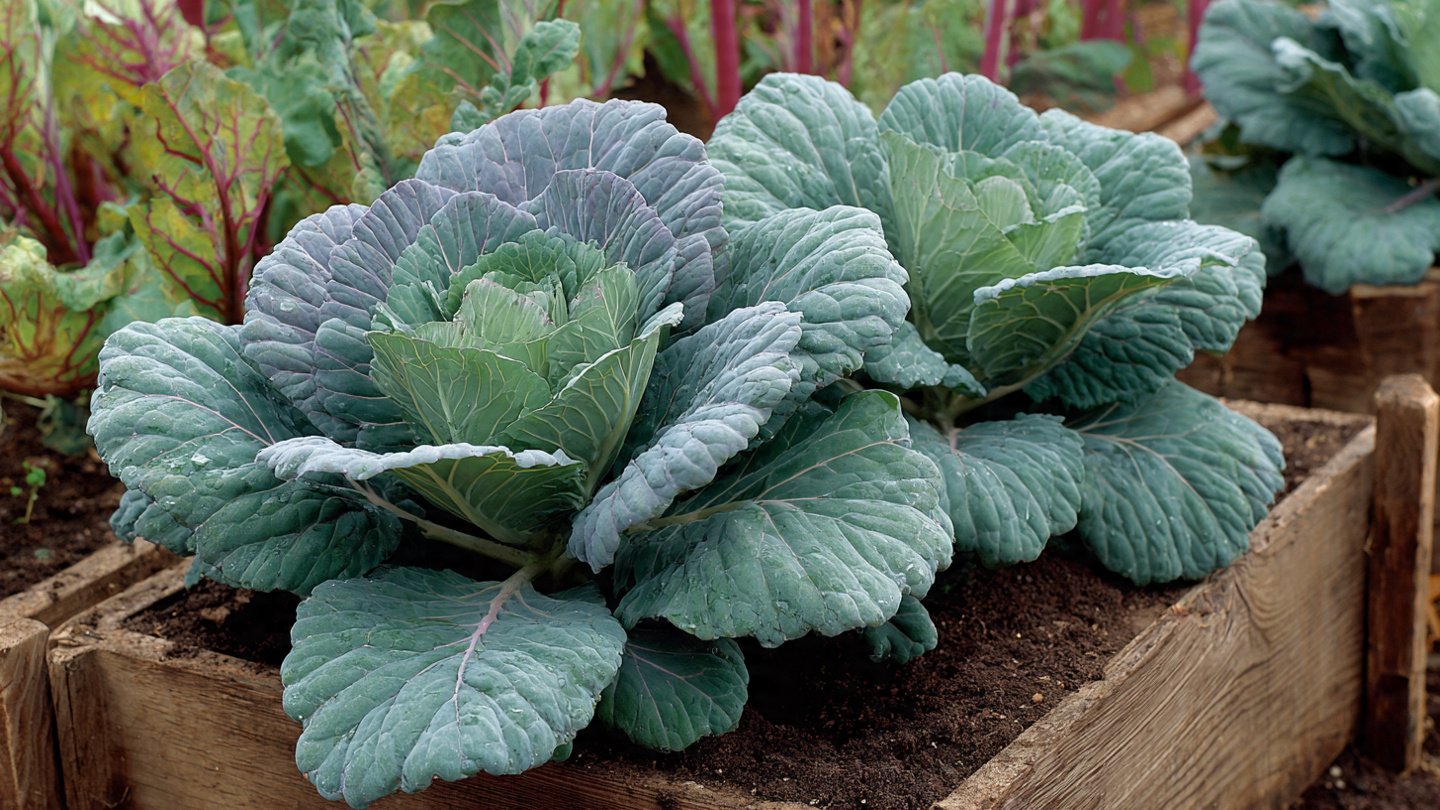
How to Grow Frost-Hardy Autumn Kale Easily
OnePlus 15T Smartphone
Lava Yuva 5G Smartphone
Nokia 1100 Premium Keypad Phone
Motorola G96 5G Smartphone
Vivo Y21D Smartphone
Nothing Phone 4 Ultra 5G
OnePlus 5G Smartphone
Nothing Phone 3A Pro
Realme 15 Pro Smartphone
Vivo X200 FE Smartphone
Motorola 5G Smartphone
Nokia New Keypad Phone
Redmi Note 15 Pro 5G
Infinix Note 60 Pro Plus
Infinix Premium 5G 2026
Redmi Note Pro Series
RedMagic 11 Air Gaming Phone
OnePlus Ultra Premium 5G
OnePlus New 5G Smartphone
iQOO 5G Gaming Smartphone
OnePlus Premium 5G Smartphone
Vivo 2026 5G Smartphone
Oppo Reno 5G Smartphone
Oppo K13 Turbo 5G
Oppo Premium 5G Smartphone
Vivo T4R 5G Smartphone
Oppo New 5G Smartphone
Redmi Note 16 5G
Nokia Oxygen Ultra 5G
Samsung Galaxy A36 5G