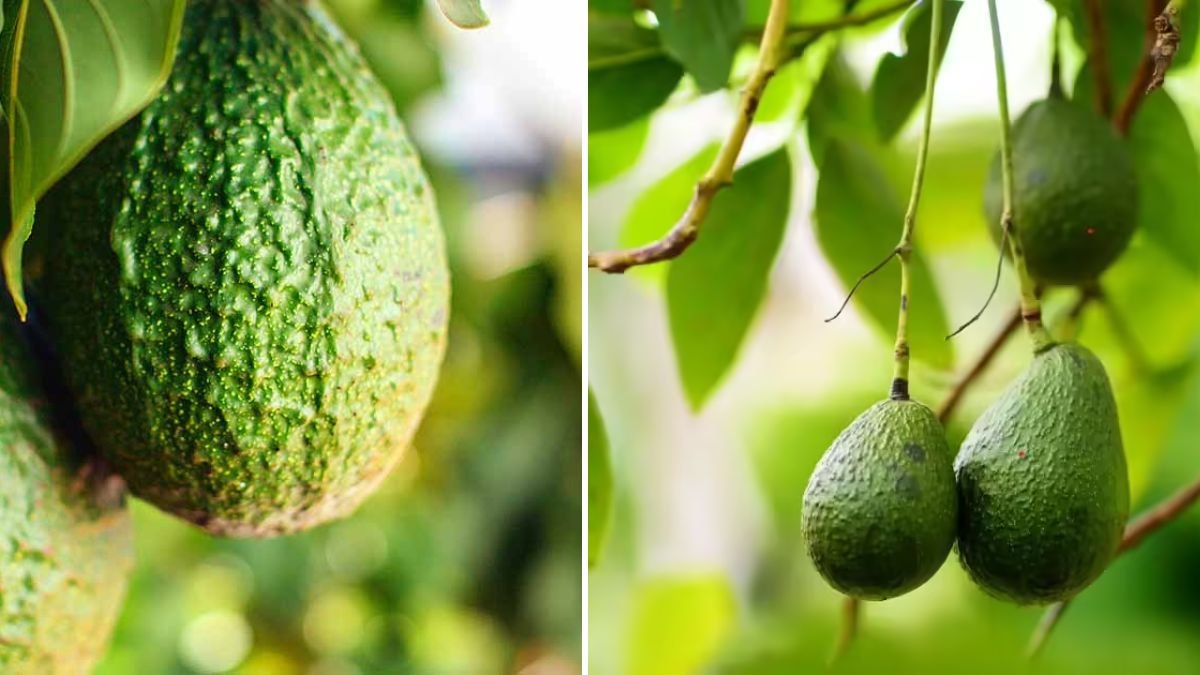
Avocado trees are beloved for their creamy, nutritious fruits. However, many home growers struggle with fruit production. Proper care, watering, fertilization, pruning, and pollination are essential. Understanding tree biology and growth stages ensures successful yields. Indoor or container-grown trees require extra attention. Selecting the right variety impacts fruiting success. Patience and consistency are critical. Following proven techniques results in high-quality avocados. Even beginners can grow productive trees with guidance. This article details step-by-step strategies for fruit production.
1. Choosing the Right Avocado Variety
Hass, Fuerte, Bacon, and Reed are popular productive varieties. Consider climate compatibility. Select self-pollinating or cross-pollinating varieties depending on space. Use grafted trees for faster fruiting. Seed-grown trees take longer to bear fruit. Disease resistance is crucial. Choose healthy, nursery-grown saplings. Variety selection influences fruit quality and yield. Match rootstock to local soil conditions. Proper choice sets the foundation for success.
2. Selecting a Planting Site
Avocado trees need full sunlight. Ensure protection from strong winds. Soil should be well-draining, rich in organic matter. Avoid waterlogged areas. Maintain proper spacing for air circulation. Slight elevation prevents root rot. Access to water is important. Sunlight directly impacts flowering and fruiting. Correct location increases productivity. Site preparation is a key step for abundant harvest.
3. Soil Preparation for Fruiting
Loosen soil to at least 12 inches deep. Mix compost and organic matter for fertility. Adjust pH to slightly acidic range of 6-7. Add sand for drainage if needed. Mulch to retain moisture. Avoid compacted or clay-heavy soil. Healthy soil encourages root development. Well-prepared soil supports flowering and fruiting. Fertility affects fruit size and taste. Proper soil preparation prevents early stress.
4. Planting Techniques
Plant young trees carefully to avoid root damage. Dig a hole twice the rootball width. Place graft union above soil line. Fill with enriched soil and firm gently. Water thoroughly after planting. Stake tree if needed for stability. Avoid planting too deep. Proper planting ensures strong establishment. Initial care sets stage for future fruiting. Correct planting improves survival and growth.
Latest Posts
- OnePlus 15T Smartphone Unveiled – Featuring 200MP Camera, Snapdragon 8 Elite Gen 5 and Massive Battery
- Lava Yuva 5G Unveiled – 120Hz Display and Strong Performance for Everyday Use
- Nokia 1100 Launched – Premium Keypad Phone Returns at Budget Price ₹2,500
- Motorola G96 5G Unveiled – Featuring Stylish Design, Strong Performance and Advanced Camera Tech
- Vivo Y21d Unveiled – Massive 6000mAh Battery for All-Day Everyday Use
- Nothing Phone 4 Ultra 5G Launched – 16GB RAM, AI-Powered 50MP Camera and Flagship Performance
- OnePlus 5G Smartphone Launched – 300MP AI Camera, 7000mAh Battery & 100W Fast Charging
- Nothing Phone 3a Pro – High processor smartphone for gaming lovers – battery is 5000mAH
- Realme 15 Pro – 3 days battery backup smartphone with 50MP front camera under ₹28,000
- Vivo X200 FE – 12GB RAM + 256GB Storage smartphone with HD quality camera
5. Watering for Flowering and Fruiting
Maintain consistent moisture without overwatering. Deep watering encourages strong roots. Reduce watering slightly before flowering. Avoid water stress during fruit set. Use drip irrigation for precise control. Mulching retains soil moisture. Adjust frequency seasonally. Proper watering improves flower quality and fruit retention. Water management prevents root rot. Balanced hydration supports fruit production.
6. Fertilization for Fruit Production
Use balanced fertilizer with nitrogen, phosphorus, and potassium. Apply micronutrients like zinc and magnesium. Fertilize regularly according to tree size and growth stage. Avoid excessive nitrogen which delays flowering. Organic compost enhances soil fertility. Side-dress during flowering and fruit set. Proper nutrition improves fruit size and quality. Fertilization supports leaf growth and flowers. Monitor for deficiency signs. Balanced feeding maximizes yield.
7. Pruning and Canopy Management
Prune lower and inner branches for airflow. Remove dead or damaged branches. Shape canopy for sunlight penetration. Prune lightly before flowering. Avoid excessive pruning which stresses tree. Proper pruning encourages flower development. Supports fruit-bearing branch strength. Prevents pest and fungal problems. Regular canopy maintenance improves fruiting. Well-maintained trees produce abundant avocados.
8. Pollination Techniques
Avocado trees have A and B flowering types. Plant complementary types for cross-pollination. Encourage bees and insects in the garden. Hand pollination can increase fruit set. Flowering occurs in specific stages; timing matters. Proper pollination ensures more fruits per tree. Observe flowers for receptivity. Encourage pollinator-friendly plants nearby. Consistent pollination increases yield. Pollination tips are crucial for small gardens.
9. Temperature and Climate Management
Avocados thrive in warm temperatures. Protect from frost using cloth or indoor relocation. Avoid extreme heat by providing shade during peak sun. Maintain humidity for young trees. Temperature stress reduces flower and fruit retention. Adjust care seasonally. Monitor microclimate conditions. Healthy climate management supports consistent yields. Protecting flowers ensures maximum fruit set. Stable temperature promotes productivity.
10. Pest and Disease Control
Monitor for aphids, mites, root rot, and fungal infections. Use neem oil, organic sprays, or fungicides when necessary. Remove infected leaves and fruits promptly. Maintain clean surroundings. Avoid overwatering to reduce fungal risks. Encourage beneficial insects. Inspect tree regularly during flowering and fruiting. Proper pest management increases yield. Preventive care is better than reactive treatment. Healthy trees bear more fruits.
11. Mulching Benefits for Avocado Trees
Apply organic mulch around the tree base. Retains soil moisture and reduces weeds. Protects roots from temperature extremes. Slowly decomposes to improve fertility. Maintain a mulch-free zone near trunk. Refresh periodically. Mulching reduces water frequency. Enhances root growth. Supports flower and fruit development. Simple tip promotes long-term productivity.
12. Staking and Support for Young Trees
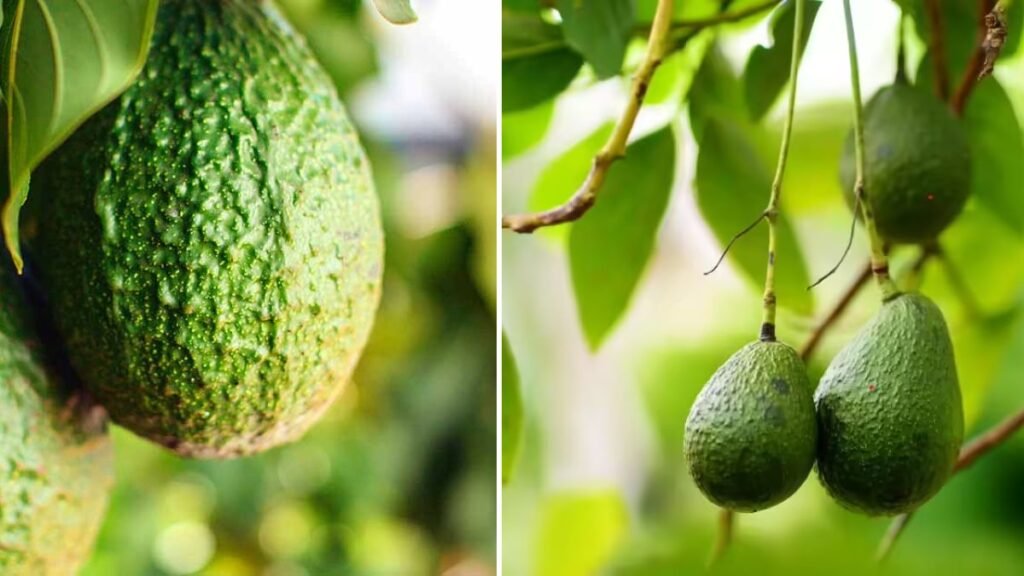
Stake young trees to prevent wind damage. Prevent bending or root disturbance. Remove stakes after tree stabilizes. Supports upright growth for better sunlight exposure. Helps in canopy formation. Reduces risk of branch breakage. Proper support enhances flower and fruit formation. Especially useful for container-grown trees. Strong support ensures better fruit set. Reduces stress during early growth.
13. Flower Induction and Care
Healthy leaves support flowering. Prune excess shoots before flower season. Balanced watering encourages bud formation. Avoid fertilizer excess during pre-flowering. Protect flowers from extreme weather. Regular monitoring prevents flower drop. Hand-pollination improves fruit set. Flower induction management directly impacts yield. Timing care ensures maximum productivity. Healthy flowers lead to abundant harvests.
14. Harvesting Techniques
Pick fruits when fully mature but firm. Avoid overripe fruits that drop prematurely. Use clean tools to prevent damage. Rotate harvest to avoid stressing branches. Regular harvesting encourages new fruit production. Label fruits by size and harvest date. Handle gently to prevent bruising. Proper timing ensures best taste. Monitor tree post-harvest. Careful harvesting supports continuous production.
15. Container-Grown Avocado Care
Choose large containers with good drainage. Use fertile, well-aerated potting mix. Rotate container for sunlight exposure. Water consistently, avoid waterlogging. Fertilize regularly during active growth. Stake young trees for stability. Protect from frost and heat extremes. Container growth allows microclimate control. Supports flowering and fruit set. Enables home gardeners to produce avocados in limited space.
16. Soil Nutrition Monitoring
Test soil periodically for pH and nutrients. Adjust fertilizer and organic matter accordingly. Maintain well-drained and fertile soil. Avoid compacted soil which hinders root growth. Monitor nutrient levels during flowering and fruiting. Soil nutrition directly affects fruit size and taste. Proper care reduces deficiencies and stress. Balanced nutrition supports consistent flowering. Healthy soil ensures abundant harvest. Regular monitoring prevents issues.
17. Water Conservation Tips
Use drip irrigation to reduce water wastage. Apply mulch to retain moisture. Water early morning to reduce evaporation. Monitor soil moisture regularly. Avoid overhead watering during flowering. Adjust frequency seasonally. Efficient water use supports root development. Conserves resources while promoting growth. Prevents fungal issues. Water management is critical for homegrown avocado productivity.
18. Temperature-Induced Flower Drop Prevention
Avoid water stress during high temperatures. Provide shade nets in summer. Maintain humidity around young trees. Avoid sudden temperature fluctuations. Protect buds and flowers from frost. Monitor microclimate daily. Proper care reduces flower drop. Supports fruit retention. Temperature management improves yield. Healthy environment ensures maximum production.
19. Long-Term Tree Care for Continuous Production
Prune annually for canopy shape and airflow. Monitor pests and diseases year-round. Maintain fertilization and irrigation schedule. Protect from extreme weather. Replace mulch regularly. Stake if necessary. Encourage pollinators nearby. Record growth and harvest data. Consistent care improves long-term productivity. Healthy trees produce fruits for years.
20. Final Thoughts on Making Avocado Trees Produce
Avocado fruiting depends on sunlight, water, nutrition, pollination, and pruning. Choose suitable varieties and healthy rootstock. Monitor soil and microclimate conditions. Implement proper pest management and container care. Use mulch and irrigation wisely. Hand-pollinate if needed. Maintain patience and consistency. Continuous observation ensures abundant harvests. Even small backyard trees can yield high-quality fruits. Following these steps guarantees success for home growers.
Table: Avocado Fruiting Guide
| Aspect | Tip | Benefit |
|---|---|---|
| Variety | Hass or Fuerte | Early fruiting |
| Water | Deep, consistent | Root health |
| Sunlight | Full sun 6-8 hrs | Flowering & fruiting |
| Fertilizer | Balanced NPK + micronutrients | Healthy growth |
| Pruning | Shape canopy | Increase yield |