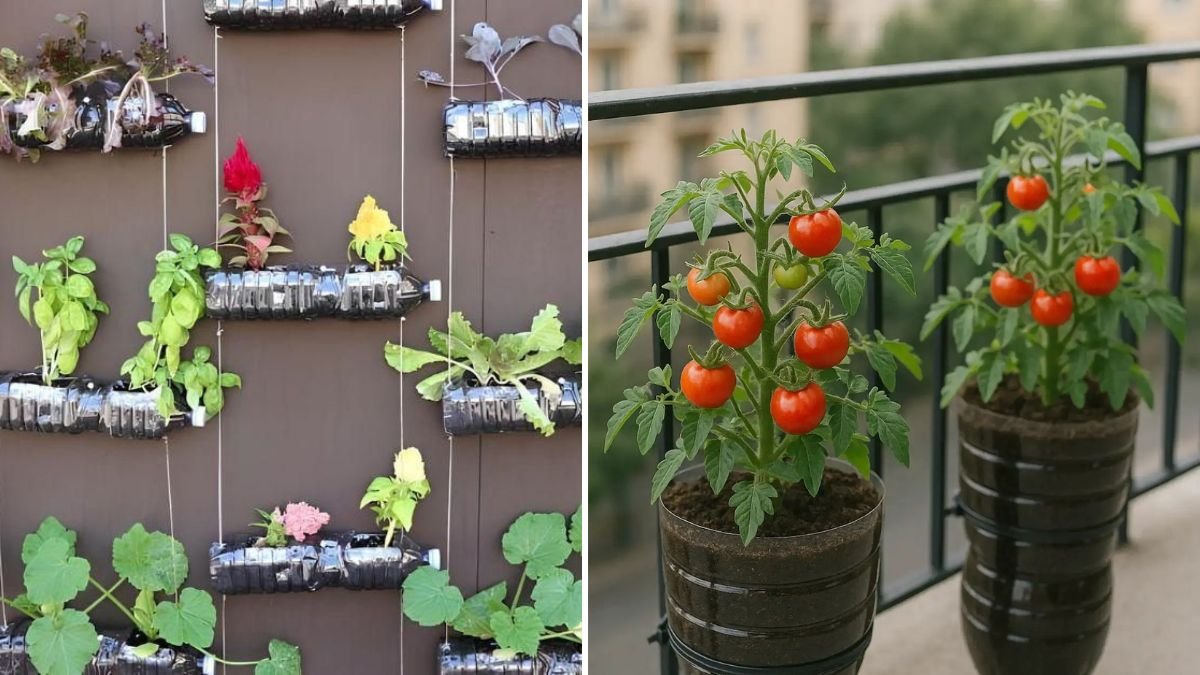
PET bottle gardens are an innovative and eco-friendly solution for urban gardening. They allow anyone, regardless of space limitations, to grow vegetables, herbs, or ornamental plants. These gardens reduce plastic waste while promoting self-sufficiency. A PET bottle garden can be set up on balconies, windowsills, or small yards, offering an affordable and sustainable gardening option. Additionally, it encourages children to learn about plant life cycles and sustainability. With minimal investment, anyone can enjoy fresh produce right at home. PET bottles, being lightweight and portable, make garden maintenance simple and enjoyable. This method bridges environmental consciousness with practical gardening solutions.
Materials Needed for PET Bottle Gardening
To start your PET bottle garden, you will need empty plastic bottles, scissors, a cutter, soil, compost, seeds, and water. Ensure the bottles are clean and free from labels. You can choose bottles of different sizes depending on the type of plants. A small bottle works best for herbs, while larger bottles are suitable for tomatoes or peppers. Using organic compost ensures better plant growth and reduces the need for chemical fertilizers. You will also need a support system such as string or a rack for vertical gardens. With these simple materials, you can convert trash into a functional and productive garden. Proper preparation of the bottles will ensure durability and prevent leaks.
Step-by-Step Guide to Cutting and Preparing PET Bottles
First, cut the PET bottles horizontally or vertically, depending on your design preference. Horizontal cutting is ideal for stacking bottles in a tiered layout. Make sure the edges are smooth to avoid harming plants or hands. For vertical planting, cut a section along the bottle’s length to create a pocket. Drill or poke holes at the bottom for drainage. This prevents waterlogging, which can harm the roots. Labeling each bottle with the plant name is a good practice. After cutting, rinse bottles thoroughly to remove plastic dust. Your PET bottles are now ready to be transformed into mini-gardens.
Filling Bottles: Choosing Soil and Fertilizer
The choice of soil is crucial for the success of a PET bottle garden. A mix of garden soil, compost, and sand provides adequate nutrients and drainage. Organic fertilizers like compost or vermicompost enhance growth naturally. Avoid heavy clay soils as they can retain excess water. Fill bottles loosely; compact soil can prevent root expansion. For hydroponic or semi-soil setups, you can use cocopeat or perlite. Adding small stones at the bottom improves drainage. Nutrient management is easier in a PET bottle due to limited soil. Regularly monitor soil moisture for optimum plant health.
Planting Seeds and Seedlings
Sow seeds according to the recommended depth for each plant type. Small seeds like coriander or lettuce should be lightly pressed into soil, while larger seeds need slightly deeper planting. For seedlings, carefully remove them from trays and transplant into bottles. Ensure roots are not damaged during transplantation. Water gently to help plants settle into their new environment. Maintain spacing to allow leaves to grow without crowding. Using labels helps track planting dates and plant types. PET bottle gardens allow easy experimentation with different seeds in small spaces.
Latest Posts
- OnePlus 15T Smartphone Unveiled – Featuring 200MP Camera, Snapdragon 8 Elite Gen 5 and Massive Battery
- Lava Yuva 5G Unveiled – 120Hz Display and Strong Performance for Everyday Use
- Nokia 1100 Launched – Premium Keypad Phone Returns at Budget Price ₹2,500
- Motorola G96 5G Unveiled – Featuring Stylish Design, Strong Performance and Advanced Camera Tech
- Vivo Y21d Unveiled – Massive 6000mAh Battery for All-Day Everyday Use
- Nothing Phone 4 Ultra 5G Launched – 16GB RAM, AI-Powered 50MP Camera and Flagship Performance
- OnePlus 5G Smartphone Launched – 300MP AI Camera, 7000mAh Battery & 100W Fast Charging
- Nothing Phone 3a Pro – High processor smartphone for gaming lovers – battery is 5000mAH
- Realme 15 Pro – 3 days battery backup smartphone with 50MP front camera under ₹28,000
- Vivo X200 FE – 12GB RAM + 256GB Storage smartphone with HD quality camera
Watering Techniques for PET Bottle Gardens
Watering in PET bottle gardens requires careful attention. Too much water can lead to root rot, while too little hampers growth. Use a small watering can or syringe for precise watering. For vertical setups, water bottles from the top and let gravity distribute moisture. Adding a layer of mulch on top helps retain soil moisture. Regular observation is key; soil should be damp, not soaked. Watering in the early morning or late evening prevents evaporation. You can also incorporate a small drip system for consistent hydration. Proper watering ensures healthy growth and bountiful harvests.
Light Requirements and Placement
Sunlight is essential for plant growth in PET bottle gardens. Place your bottles in a location that receives 4-6 hours of sunlight daily. South-facing balconies are ideal in most regions. For indoor setups, supplement with LED grow lights. Rotate bottles periodically to ensure even light distribution. Avoid excessive direct sunlight on delicate plants, which can scorch leaves. Vertical arrangements may require staggered heights to ensure all plants receive adequate light. Observing plant behavior, such as leaf color and growth, helps in adjusting light placement. Proper lighting maximizes photosynthesis and plant health.
Supporting Plants in Vertical Bottle Gardens
Tall plants like tomatoes or beans require support in vertical PET bottle gardens. Use bamboo sticks, trellises, or strings to keep plants upright. Secure bottles firmly to walls or racks to prevent toppling. Tying plants loosely ensures stem flexibility and prevents damage. Regular pruning helps manage growth and improves air circulation. Support systems also prevent fruits from touching the soil, reducing disease risk. Observation of plant growth helps determine when to adjust supports. Combining vertical support with lightweight bottles creates an organized and productive garden.
Dealing with Pests and Diseases
Even PET bottle gardens are prone to pests and diseases. Regularly inspect leaves and stems for early signs of infestation. Natural solutions like neem oil, garlic sprays, or soap solutions can control pests effectively. Avoid chemical pesticides to protect edible plants. Proper drainage and airflow reduce fungal infections. Removing dead leaves prevents disease spread. Companion planting with pest-repellent plants is a helpful strategy. Maintaining cleanliness around the garden also minimizes pest problems. Early intervention ensures healthy plants and higher yields.
Harvesting Your PET Bottle Garden
Harvesting depends on the type of plants you grow. Leafy greens can be harvested continuously by trimming leaves. Fruits like tomatoes or peppers should be picked when fully colored and firm. Always use clean scissors or hands to prevent damage to plants. Regular harvesting encourages new growth and productivity. Record harvest dates for future reference and planning. Sharing fresh produce with friends or family enhances the joy of home gardening. PET bottle gardens allow frequent, convenient harvesting due to easy access. A successful harvest is the reward for careful nurturing.
Maintenance and Longevity
Maintaining a PET bottle garden requires regular watering, fertilization, and pruning. Replace old soil periodically to maintain nutrient levels. Clean bottles every few months to avoid algae and residue buildup. Inspect supports and make adjustments as plants grow. Rotate crops to avoid soil depletion and improve plant health. Continuous observation is key to preventing problems before they escalate. Reuse PET bottles to maintain an eco-friendly approach. Proper maintenance ensures your garden thrives year after year. With care, PET bottle gardens can become a long-term source of fresh produce.
Benefits of PET Bottle Gardening
PET bottle gardening offers multiple benefits including sustainability, affordability, and convenience. It reduces plastic waste while promoting healthy eating habits. Urban dwellers can grow fresh produce without requiring large spaces. Children and beginners can easily engage with this method to learn about gardening. Portable bottles allow flexible placement and sunlight management. Cost-effective materials make it accessible to everyone. It encourages organic farming practices and reduces dependency on store-bought vegetables. Overall, PET bottle gardening is an ideal eco-friendly solution for modern lifestyles.
Common Mistakes to Avoid
Avoiding mistakes is crucial for a successful PET bottle garden. Overwatering and under-watering are the most common errors. Neglecting drainage holes leads to root rot. Crowding plants reduces air circulation and sunlight exposure. Using chemical fertilizers excessively can damage plants. Forgetting to rotate bottles can cause uneven growth. Ignoring pest management can quickly destroy a small garden. Regular monitoring and careful planning help prevent these issues. Awareness of common pitfalls ensures a productive and thriving garden.
Creative Designs for PET Bottle Gardens
PET bottle gardens can be creatively designed to enhance aesthetics. Vertical towers, hanging bottles, and wall-mounted systems save space. Painting bottles or using decorative holders improves visual appeal. Incorporating a mix of flowering and edible plants adds color and utility. Symmetrical arrangements make maintenance easier and visually appealing. Labeling creatively can provide both function and beauty. Experiment with patterns such as cascading or spiral designs. Creativity motivates regular care and engagement with the garden. A well-designed PET bottle garden becomes a centerpiece for any small space.
Sustainability and Environmental Impact
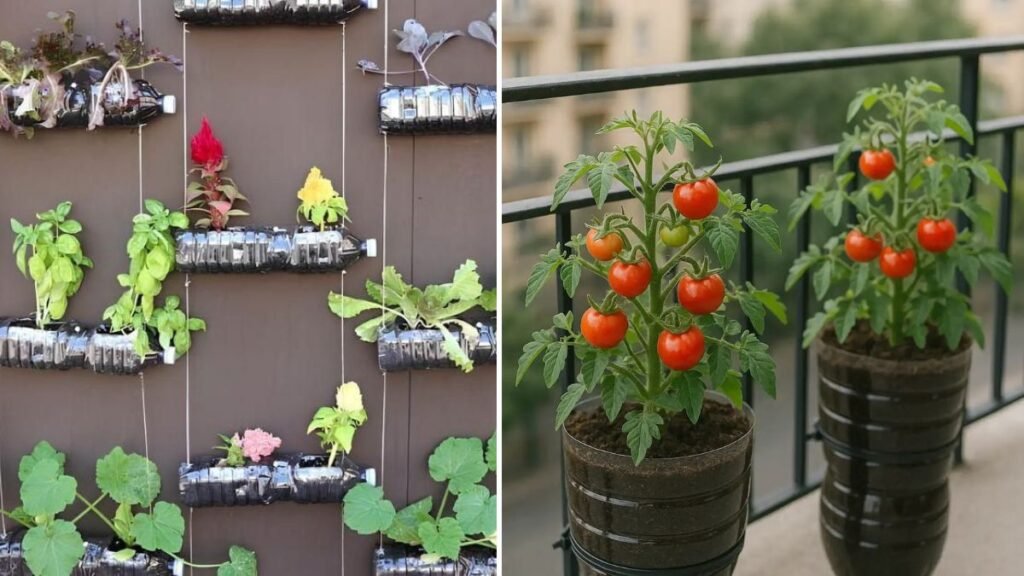
Using PET bottles for gardening directly contributes to sustainability. It reduces plastic pollution by giving bottles a second life. Homegrown produce reduces dependence on commercial farming, lowering carbon footprints. Organic gardening promotes soil health and biodiversity. Educating family members about eco-friendly practices encourages a greener lifestyle. PET bottle gardening can inspire community initiatives for urban farming. Sharing experiences with neighbors spreads awareness and positive impact. Sustainable gardening practices make small changes have significant environmental benefits.
Scaling Your PET Bottle Garden
Once you master a small setup, consider expanding your PET bottle garden. Increase the number of bottles or introduce larger containers. Experiment with new plants, including vegetables, herbs, and ornamental flowers. Combine vertical and horizontal layouts to maximize space efficiency. Scaling requires careful planning of watering and sunlight distribution. Tracking plant growth helps optimize productivity. Larger setups may require more support systems and maintenance routines. Gradual expansion ensures sustainability and long-term success. Scaling a PET bottle garden increases both yield and satisfaction.
Integrating Technology
Modern PET bottle gardens can integrate simple technology for better results. Automated watering systems or drip irrigation saves time and ensures consistency. Sensors can monitor soil moisture, light, and temperature. Mobile apps help track growth and maintenance schedules. Using solar-powered lights or pumps makes the garden energy-efficient. Technology can simplify urban gardening, making it accessible to busy individuals. However, the basic principles of watering, light, and soil remain essential. Combining technology with traditional methods improves efficiency and yields.
Community and Educational Value
PET bottle gardens can be used for educational and community purposes. Schools can teach children about plant biology, sustainability, and responsibility. Community centers can engage residents in collective gardening projects. Sharing knowledge and resources strengthens community bonds. Gardens can also serve as demonstration models for eco-friendly initiatives. Workshops on PET bottle gardening encourage hands-on learning. Children can observe plant life cycles, improving understanding of nature. The educational and social value of PET bottle gardens extends beyond personal use.
Conclusion: Start Your PET Bottle Garden Today
PET bottle gardening is an easy, affordable, and eco-friendly way to grow plants at home. With minimal space and resources, anyone can start their own garden. It reduces plastic waste, encourages sustainability, and provides fresh, healthy produce. Regular care, proper watering, and sunlight ensure thriving plants. Creativity in design and scaling allows personalization and maximum productivity. Engaging in this activity fosters environmental consciousness and hands-on learning. Start with a few bottles and gradually expand to create a flourishing garden. Your PET bottle garden is not just a hobby; it’s a step toward sustainable living.
Table Example for Planting in PET Bottles
| Plant Type | Bottle Size | Soil Depth | Watering Frequency | Sunlight Requirement | Fertilizer Type | Harvest Time | Notes |
|---|---|---|---|---|---|---|---|
| Lettuce | 500ml | 10 cm | Daily | 4-5 hours | Compost | 30-40 days | Trim leaves regularly |
| Tomato | 1-2 liters | 20 cm | Every 2 days | 6-7 hours | Organic NPK | 70-90 days | Support with sticks |
| Coriander | 500ml | 10 cm | Daily | 4-5 hours | Vermicompost | 30-35 days | Pinch flowers |
| Spinach | 500ml | 12 cm | Daily | 4-6 hours | Compost | 40 days | Keep soil moist |