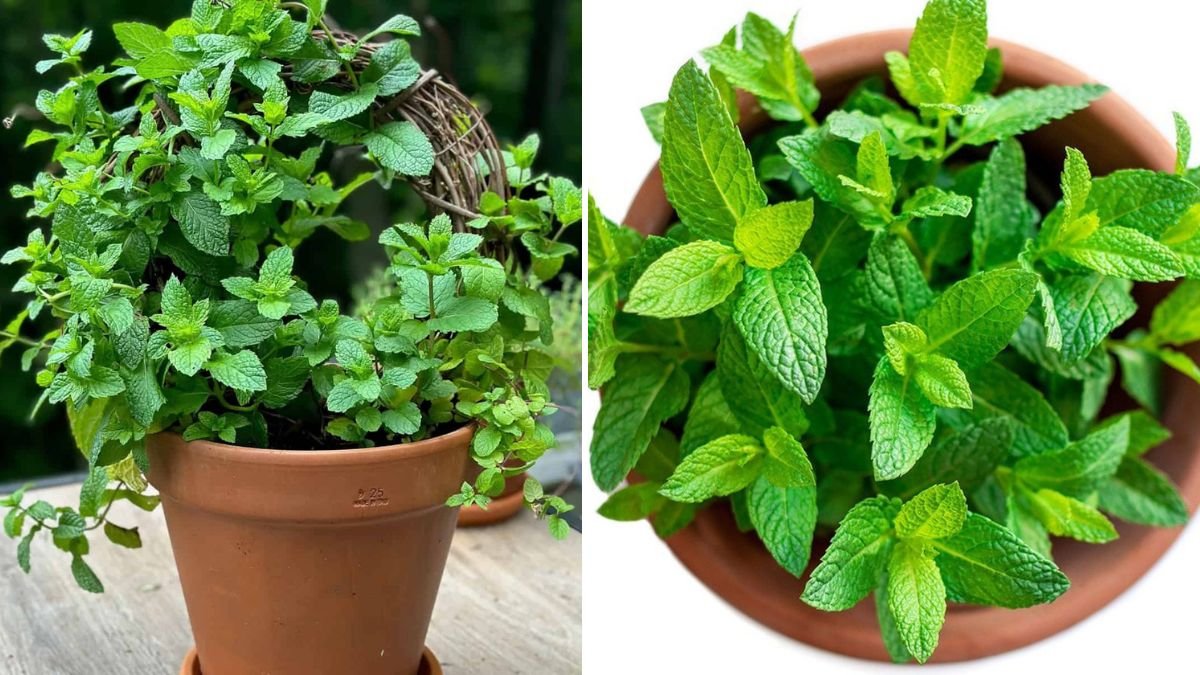
Mint is one of the easiest and most versatile herbs to grow at home. Its aromatic leaves enhance culinary dishes, teas, and even home remedies. Growing mint requires minimal effort, but following proper techniques ensures healthy, bushy plants. Mint grows in containers, garden beds, or vertical planters. Regular care prevents invasive spread. Proper watering, fertilization, and pruning improve flavor and growth. Understanding mint varieties helps gardeners choose the best type. With patience and observation, you can maintain a year-round supply. Mint is not only flavorful but also rich in vitamins and antioxidants. This guide provides practical steps for successful cultivation.
1. Choosing the Right Mint Variety
Mint has several popular varieties, including peppermint, spearmint, chocolate mint, and apple mint. Each variety has unique flavor profiles and growth habits. Select a variety based on culinary or medicinal use. Consider growth vigor; some varieties spread faster than others. Evaluate climate adaptability for your region. Some mints tolerate shade better, while others require full sun. Start with healthy seedlings or cuttings. Choosing the right variety ensures strong growth and abundant harvest. Experiment with a few types for diverse flavors. Proper selection is the first step toward successful mint cultivation.
2. Selecting the Perfect Location
Mint thrives in well-drained soil and partial to full sunlight. Choose a location with good airflow to prevent fungal diseases. In containers, select spots with morning sunlight and afternoon shade. Avoid planting mint directly in garden beds without containment, as it spreads aggressively. Ensure access to water for regular hydration. Indoor growing requires near-window placement with bright indirect light. Proper location reduces stress and enhances flavor. Monitor sunlight exposure during different seasons. Strategic placement improves plant health. Healthy location choice leads to a vigorous, bushy mint plant.
3. Preparing the Soil
Mint prefers fertile, slightly acidic to neutral soil with a pH of 6–7. Incorporate organic compost or well-rotted manure. Ensure soil is loose and well-draining to prevent root rot. Add perlite or sand for better aeration if needed. Avoid heavy clay soils unless amended. Fertile soil supports leaf growth and aroma. Regular soil enrichment increases yield. Healthy soil prevents nutrient deficiencies. Proper preparation reduces stress and encourages rapid growth. Consistent soil maintenance ensures long-term plant health.
4. Propagation Techniques
Mint can be propagated by seeds, cuttings, or root division. Cuttings are the fastest method for healthy plants. Place 4–6 inch cuttings in water until roots develop. Seed propagation is slower but effective for large-scale planting. Division of mature plants every 1–2 years prevents overcrowding. Ensure tools are clean to prevent infections. Healthy propagation methods increase survival rates. Choose a technique that fits your gardening style. Proper propagation maintains flavor and vigor. Early attention to propagation saves time later.
Latest Posts
- OnePlus 15T Smartphone Unveiled – Featuring 200MP Camera, Snapdragon 8 Elite Gen 5 and Massive Battery
- Lava Yuva 5G Unveiled – 120Hz Display and Strong Performance for Everyday Use
- Nokia 1100 Launched – Premium Keypad Phone Returns at Budget Price ₹2,500
- Motorola G96 5G Unveiled – Featuring Stylish Design, Strong Performance and Advanced Camera Tech
- Vivo Y21d Unveiled – Massive 6000mAh Battery for All-Day Everyday Use
- Nothing Phone 4 Ultra 5G Launched – 16GB RAM, AI-Powered 50MP Camera and Flagship Performance
- OnePlus 5G Smartphone Launched – 300MP AI Camera, 7000mAh Battery & 100W Fast Charging
- Nothing Phone 3a Pro – High processor smartphone for gaming lovers – battery is 5000mAH
- Realme 15 Pro – 3 days battery backup smartphone with 50MP front camera under ₹28,000
- Vivo X200 FE – 12GB RAM + 256GB Storage smartphone with HD quality camera
5. Planting Mint
Plant mint seedlings or rooted cuttings in prepared soil or containers. Maintain spacing of 12–18 inches to allow growth. For containers, ensure drainage holes are sufficient. Water immediately after planting to settle roots. Avoid deep planting, which can hinder growth. Mulch lightly to retain moisture. Label plant varieties to track growth. Monitor soil regularly for moisture levels. Proper planting ensures strong establishment. Healthy mint grows rapidly and produces abundant leaves.
6. Watering Strategies
Mint requires consistent moisture but not waterlogged conditions. Water deeply to encourage strong roots. Early morning watering reduces evaporation. Container-grown mint may require more frequent hydration. Use mulch to retain soil moisture. Avoid overhead watering to reduce fungal risks. Adjust frequency seasonally for temperature and humidity. Check soil regularly to prevent drying. Consistent watering ensures vibrant, aromatic leaves. Water management improves yield and reduces plant stress.
7. Fertilization Tips
Use organic fertilizers such as compost tea or balanced liquid fertilizer. Feed every 3–4 weeks during active growth. Avoid excessive nitrogen, which promotes leaf growth over flavor. Side-dress soil in containers for continuous nutrition. Fertilization enhances aroma and color. Monitor leaf health for deficiency signs. Proper feeding boosts productivity. Nutrient-rich soil reduces pest and disease susceptibility. Balanced fertilization is crucial for strong, flavorful mint. Regular feeding ensures year-round harvest.
8. Controlling Mint Spread
Mint can be invasive if left unchecked. Use containers or barriers in garden beds. Consider underground root barriers to prevent uncontrolled spread. Regular pruning reduces excessive growth. Monitor nearby plants for unwanted encroachment. Container rotation helps manage growth direction. Proper spacing prevents competition with other crops. Keeping mint contained maintains garden order. Preventing invasive spread ensures healthy growth. Strategic containment supports sustainable planting. Regular attention reduces labor later.
9. Pruning and Harvesting
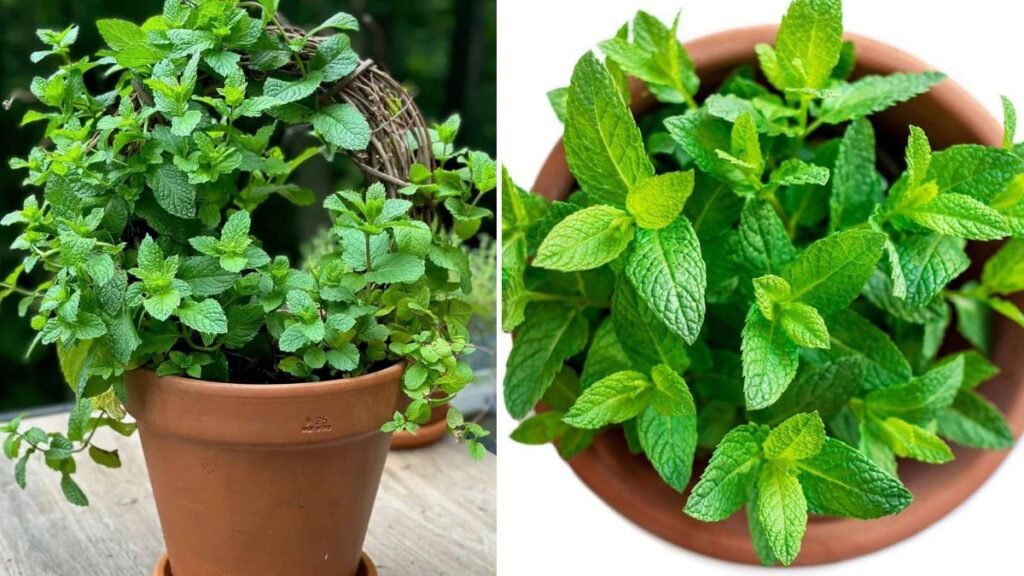
Regular pruning encourages bushy growth and prevents legginess. Pinch off stems above leaf nodes. Harvest leaves before flowering for best flavor. Avoid cutting more than one-third of the plant at a time. Use sharp scissors for clean cuts. Continuous harvesting promotes new shoots. Remove old or damaged leaves. Pruning prevents flowering and prolongs leaf production. Proper harvest timing enhances aroma. Consistent care ensures a steady supply.
10. Pest and Disease Management
Common pests include aphids, spider mites, and whiteflies. Fungal issues like powdery mildew can occur in humid conditions. Use neem oil or insecticidal soaps for control. Maintain airflow and avoid overcrowding. Remove infected leaves promptly. Rotate soil and containers occasionally. Companion planting with marigold or basil repels pests naturally. Healthy soil and watering reduce susceptibility. Early intervention prevents widespread damage. Proper care ensures consistent production.
11. Indoor Growing Tips
Mint grows well indoors in pots or hydroponic setups. Use well-drained pots with fertile soil. Provide 4–6 hours of sunlight or artificial grow lights. Maintain consistent humidity for healthy growth. Rotate pots for even light exposure. Water carefully to prevent root rot. Fertilize lightly every 2–3 weeks. Indoor growth prevents invasive spread. Regular pruning promotes bushiness. Controlled indoor conditions result in year-round supply. Indoor mint is ideal for small spaces.
12. Companion Planting with Mint
Mint repels pests from neighboring plants. Plant alongside tomatoes, cabbage, or carrots. Avoid planting directly near legumes, which may inhibit growth. Companion planting enhances biodiversity. Encourages natural pest control. Improves overall garden health. Provides aromatic appeal. Protects nearby crops. Strategic companion planting increases productivity. Mint adds value to your vegetable garden ecosystem.
13. Soil Renewal and Maintenance
Replace or refresh soil every 1–2 years for container-grown mint. Add compost and organic matter regularly. Prevent nutrient depletion. Loosen compacted soil periodically. Rotate containers to maintain soil fertility. Healthy soil supports continued vigorous growth. Avoid reusing soil from infected plants. Regular soil care prevents root diseases. Ensure adequate drainage. Soil maintenance ensures sustainable, flavorful mint production.
14. Winter Care for Mint
Mint is hardy but may require protection in cold climates. Move containers indoors or use frost covers. Reduce watering slightly during dormancy. Prune lightly to prevent overcrowding. Maintain minimal fertilizer during winter. Monitor indoor humidity for healthy leaves. Protect roots from freezing. Consistent winter care ensures quick spring recovery. Dormancy management preserves plant health. Well-cared mint resumes growth rapidly.
15. Propagating New Plants from Cuttings
Take 4–6 inch cuttings from mature stems. Place in water until roots develop. Transplant into soil or container once roots form. Regularly check moisture levels. Cuttings grow quickly with proper care. Propagation extends garden supply. Maintain clean tools to prevent infection. Rooted cuttings ensure flavor consistency. Continuous propagation reduces cost. Repeated cycles provide year-round mint harvest.
16. Mulching for Healthier Mint
Apply organic mulch around plants. Retains soil moisture and regulates temperature. Reduces weed growth and soil erosion. Decomposing mulch enriches soil. Maintain mulch layer 1–2 inches thick. Avoid covering stems directly. Refresh mulch periodically. Supports root growth and leaf quality. Enhances aroma and flavor. Simple mulching practices save labor and improve plant vigor.
17. Maximizing Leaf Flavor
Harvest leaves just before flowering for highest flavor. Avoid stress from drought or over-fertilization. Provide partial sunlight for balanced growth. Pinch new growth regularly. Use organic nutrients to enhance aroma. Proper watering prevents bitterness. Consistent pruning encourages tender leaves. Monitor for pests that reduce taste. Harvest at peak maturity. Flavor optimization ensures superior culinary use.
18. Using Mint in Different Ways
Fresh leaves are ideal for teas, salads, sauces, and desserts. Can be frozen or dried for long-term storage. Infuse in oils or water for flavor. Add to beverages for aroma. Homemade mint extracts or pastes are versatile. Culinary, medicinal, and aromatic uses increase value. Harvest strategically for multiple applications. Proper preservation retains essential oils. Experiment with recipes to maximize utility. Mint adds freshness and nutrition to daily meals.
19. Common Mistakes to Avoid
Overwatering leads to root rot. Planting mint directly in garden beds without barriers causes invasive growth. Excessive fertilizer reduces flavor. Ignoring pruning leads to leggy plants. Poor sunlight reduces aroma. Failure to monitor pests results in damage. Neglecting soil renewal reduces yield. Using unhealthy cuttings compromises propagation. Avoiding these mistakes ensures healthy, productive mint. Simple care maximizes results.
20. Final Thoughts on Growing Mint
Mint is easy to grow when proper techniques are applied. Container gardening controls invasive growth. Proper watering, fertilization, pruning, and sunlight maintain health. Pest and disease management ensures continued production. Propagation and soil care extend supply. Winter protection preserves plant vigor. Companion planting enhances garden health. Flavor optimization improves culinary use. Regular observation and consistent care yield abundant harvests. Growing mint at home is rewarding, aromatic, and sustainable.
Table: Mint Growing Quick Guide
| Aspect | Tip | Benefit |
|---|---|---|
| Soil | Fertile, well-drained | Healthy roots |
| Water | Consistent, moderate | Prevents stress |
| Light | Partial to full sun | Strong aroma |
| Pruning | Pinch regularly | Bushy growth |
| Propagation | Cuttings or division | Year-round supply |