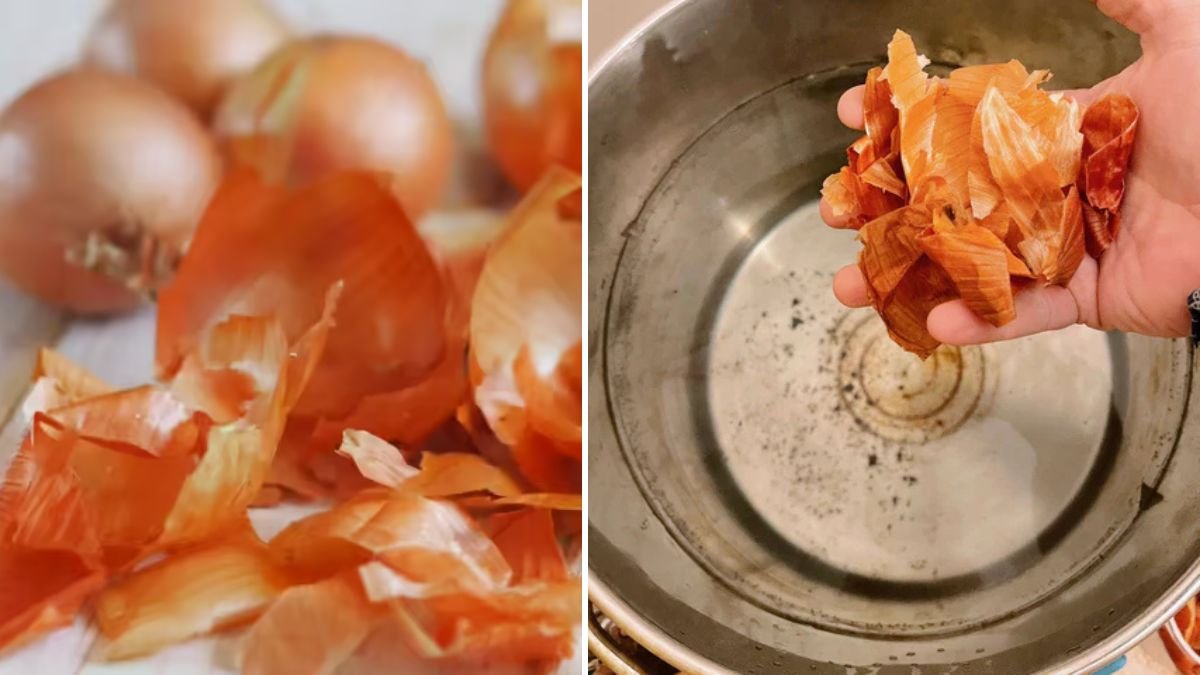
Onion skins are often discarded, but they hold immense benefits. They are rich in antioxidants, vitamins, and natural dyes. Onion skins can improve soil fertility, repel pests, and even enhance health. From cooking to gardening, they offer multiple uses. Sustainable reuse reduces kitchen waste. They are inexpensive, natural, and eco-friendly. Creative applications include teas, composting, and dyeing. Understanding their potential transforms everyday waste into valuable resources. This guide explores practical, innovative ways to utilize onion skins. Maximize their utility and improve home, health, and garden practices.
1. Nutritional Profile of Onion Skins
Onion skins are rich in quercetin, flavonoids, and antioxidants. They provide anti-inflammatory and immune-boosting properties. Contain vitamins A, C, and E. Low in calories and high in phytonutrients. Protects heart and supports digestion. Promote cellular health and longevity. Can be incorporated into teas or soups. Retains most nutrients when dried. Regular consumption provides subtle health benefits. Recognizing nutritional value encourages reuse.
2. Onion Skins for Natural Dyes
Use onion skins to dye fabrics, Easter eggs, or paper. Boil skins in water to extract color. Yellow to orange hues are common. Can be used for cotton, silk, or wool. Natural dyes are eco-friendly and chemical-free. Layering skins intensifies color. Combine with mordants like vinegar for lasting shades. Experiment with different onion varieties for unique tones. Creative use enhances art and crafts. Natural dyeing is a sustainable alternative.
3. Adding Flavor to Broths and Soups
Onion skins enhance flavor and aroma in broths. Add skins to stock, soup, or sauces during cooking. Strain before serving. Provides deep color and subtle sweetness. Enhances nutritional value of dishes. Reduces waste while enriching recipes. Works for vegetarian or meat-based broths. Use fresh or dried skins. Simmer gently to extract flavor. Practical kitchen tip improves taste naturally.
4. Composting Benefits
Onion skins enrich compost with organic matter. Chop skins before adding to speed decomposition. Adds nitrogen and fiber to compost mix. Helps maintain moisture balance. Mix with other vegetable scraps for efficient composting. Enhances microbial activity. Reduces garden waste sustainably. Improves soil structure and fertility. Prevents disposal in landfill. Composting onion skins supports healthy plant growth.
Latest Posts
- OnePlus 15T Smartphone Unveiled – Featuring 200MP Camera, Snapdragon 8 Elite Gen 5 and Massive Battery
- Lava Yuva 5G Unveiled – 120Hz Display and Strong Performance for Everyday Use
- Nokia 1100 Launched – Premium Keypad Phone Returns at Budget Price ₹2,500
- Motorola G96 5G Unveiled – Featuring Stylish Design, Strong Performance and Advanced Camera Tech
- Vivo Y21d Unveiled – Massive 6000mAh Battery for All-Day Everyday Use
- Nothing Phone 4 Ultra 5G Launched – 16GB RAM, AI-Powered 50MP Camera and Flagship Performance
- OnePlus 5G Smartphone Launched – 300MP AI Camera, 7000mAh Battery & 100W Fast Charging
- Nothing Phone 3a Pro – High processor smartphone for gaming lovers – battery is 5000mAH
- Realme 15 Pro – 3 days battery backup smartphone with 50MP front camera under ₹28,000
- Vivo X200 FE – 12GB RAM + 256GB Storage smartphone with HD quality camera
5. Pest-Repellent Uses
Sprinkle onion skins around plants to repel insects. Effective against aphids, caterpillars, and beetles. Can be combined with garlic or chili for stronger effect. Acts as natural, chemical-free pest control. Place in garden beds or potted plants. Refresh skins periodically for continued effect. Reduces reliance on pesticides. Safe for pets and beneficial insects. Simple garden tip protects crops. Promotes sustainable gardening practices.
6. Onion Skin Tea for Health
Boil skins to make antioxidant-rich tea. Strain and drink warm. Supports heart health and immunity. Can be sweetened with honey or ginger. Rich in flavonoids and vitamins. Regular consumption may reduce inflammation. Easy to prepare with leftover skins. Natural and cost-effective beverage. Encourages creative kitchen use. Tea utilization maximizes nutritional potential.
7. Homemade Skin Masks
Blend boiled onion skins into face masks. Rich in antioxidants, supports skin rejuvenation. May reduce inflammation and redness. Combine with yogurt or honey for smooth texture. Apply for 10–15 minutes before rinsing. Natural, chemical-free skincare. Improves blood circulation and skin health. Sustainable use of kitchen scraps. Enhances home beauty routines. Safe for most skin types.
8. Fertilizer Extract
Make liquid fertilizer using boiled onion skins. Pour cooled water around plant roots. Provides trace minerals and nutrients. Supports leafy and flowering plants. Enhances soil microbial activity. Eco-friendly alternative to commercial fertilizers. Use weekly or biweekly. Reduces kitchen waste. Improves garden productivity naturally. Simple homemade solution saves money.
9. Onion Skin Powder for Cooking
Dry skins and grind into powder. Use as natural seasoning or colorant. Add to rice, pasta, or sauces. Rich in antioxidants, flavor, and nutrients. Enhances color without artificial additives. Store in airtight container for months. Easy to incorporate into meals. Reduces waste while boosting health. Flavorful, natural, and versatile. Onion skin powder is a sustainable kitchen ingredient.
10. Decorative Crafts
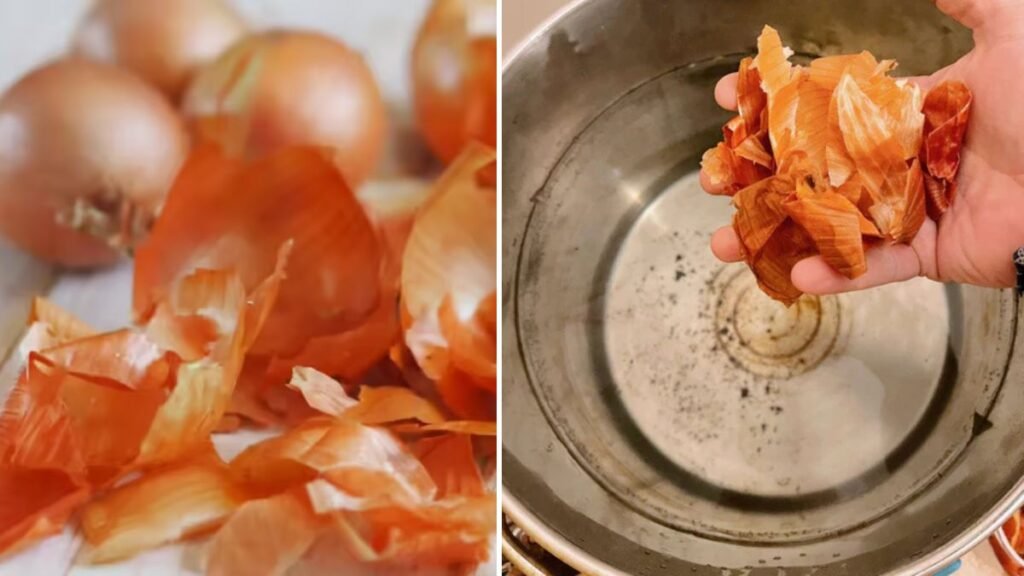
Use skins in art projects or collages. Colorful and textured, ideal for creative use. Glue, layer, or press skins onto paper or canvas. Can be sealed with varnish for durability. Enhances visual appeal naturally. Safe for children’s craft projects. Encourages recycling and creativity. Sustainable material reduces plastic usage. Artistic use adds value to kitchen waste. Perfect for eco-conscious craft enthusiasts.
11. Hair Care Benefits
Boil skins to prepare nutrient-rich hair rinse. Supports scalp health and strengthens hair. May improve shine and reduce hair loss. Use after shampooing as a final rinse. Rich in antioxidants and sulfur compounds. Natural, chemical-free treatment. Regular use promotes healthy hair growth. Easy, inexpensive solution. Maximizes benefit from kitchen scraps. Supports holistic hair care routine.
12. Skin Care: Anti-Inflammatory Properties
Topical application of onion skin extract may reduce redness and irritation. Mix with aloe or carrier oils. Use sparingly on affected areas. Supports natural healing and antioxidant protection. Chemical-free alternative for sensitive skin. Encourages sustainable use of vegetable waste. Provides cost-effective skincare. Promotes skin health naturally. Can be integrated into homemade remedies. Enhances personal care routines.
13. Onion Skin in Smoothies
Blend small amounts into smoothies for antioxidant boost. Combine with fruits and leafy greens. Adds subtle earthy flavor. Supports heart health and immunity. Use dried powder form for convenience. Increases nutrient density of beverages. Encourages innovative, healthy kitchen practices. Reduces waste. Provides functional food benefits. Sustainable and easy to incorporate.
14. Dyeing Easter Eggs Naturally
Boil skins in water to dye eggs in warm yellow-orange shades. Safe for children and pets. Combine with vinegar to enhance color. Layer skins for deeper hues. Eco-friendly alternative to chemical dyes. Fun DIY kitchen activity. Supports creative learning. Easy and inexpensive. Encourages sustainable holiday practices. Natural coloring is safe and visually appealing.
15. Use as Animal Feed Additive
Onion skins can be dried and added in small amounts to livestock feed. Provides antioxidants and fiber. Enhances nutritional content naturally. Avoid excessive use due to strong flavor. Supports sustainable animal husbandry. Reduces kitchen and farm waste simultaneously. Introduces beneficial compounds to animal diet. Encourage recycling of vegetable scraps. Safe when properly incorporated. Supports healthy farm practices.
16. Storage and Preservation Tips
Dry onion skins in sunlight or low-temperature oven. Store in airtight jars. Protect from moisture and pests. Dried skins last for months. Freeze if needed for longer preservation. Keep labeled for intended use. Drying preserves nutrients and color. Easy to store in kitchen. Proper storage maximizes usability. Ensures consistent availability for various applications.
17. Onion Skins for Garden Mulch
Layer skins as thin mulch on soil surface. Retains moisture and regulates soil temperature. Slowly decomposes to enrich soil. Reduces weeds naturally. Can be combined with other vegetable scraps. Eco-friendly and inexpensive. Supports healthy microbial activity. Sustainable gardening technique. Provides nutrients without chemical fertilizers. Effective for container and garden beds.
18. Onion Skin Infused Oils
Infuse skins in cooking or massage oils for aroma and nutrients. Heat gently in carrier oils. Strain before use. Enhances flavor in cooking or therapeutic benefits in massage. Contains antioxidants and vitamins. Simple kitchen experiment. Safe and natural method. Adds value to discarded vegetable parts. Supports creative reuse. Sustainable, cost-effective solution.
19. Onion Skins for Natural Cleaning
Boil skins and use water as natural cleaning agent for wood or metal surfaces. Provides mild disinfectant properties. Safe and eco-friendly. Avoid harsh chemicals. Adds subtle shine to surfaces. Cost-effective and sustainable. Supports zero-waste lifestyle. Easy to prepare and use. Encourages repurposing kitchen waste. Enhances home cleaning routines naturally.
20. Final Thoughts on Reusing Onion Skins
Onion skins are far more valuable than commonly believed. They support health, cooking, gardening, crafting, and personal care. Using them reduces waste, saves money, and promotes sustainability. Dried, powdered, or boiled skins can serve multiple purposes. Incorporating skins into daily life maximizes nutritional and practical benefits. Simple kitchen habits can transform scraps into resources. Eco-friendly practices contribute to a sustainable lifestyle. Reuse creatively to unlock their full potential. Don’t throw away your onion skins—they are gold in disguise.
Table: Onion Skins Uses Quick Guide
| Use | Method | Benefit |
|---|---|---|
| Cooking | Boil in soups | Adds flavor & nutrients |
| Compost | Chop & mix | Enrich soil naturally |
| Dye | Boil & soak fabric | Natural yellow-orange color |
| Tea | Boil & strain | Antioxidant boost |
| Skincare | Blend with honey | Anti-inflammatory |