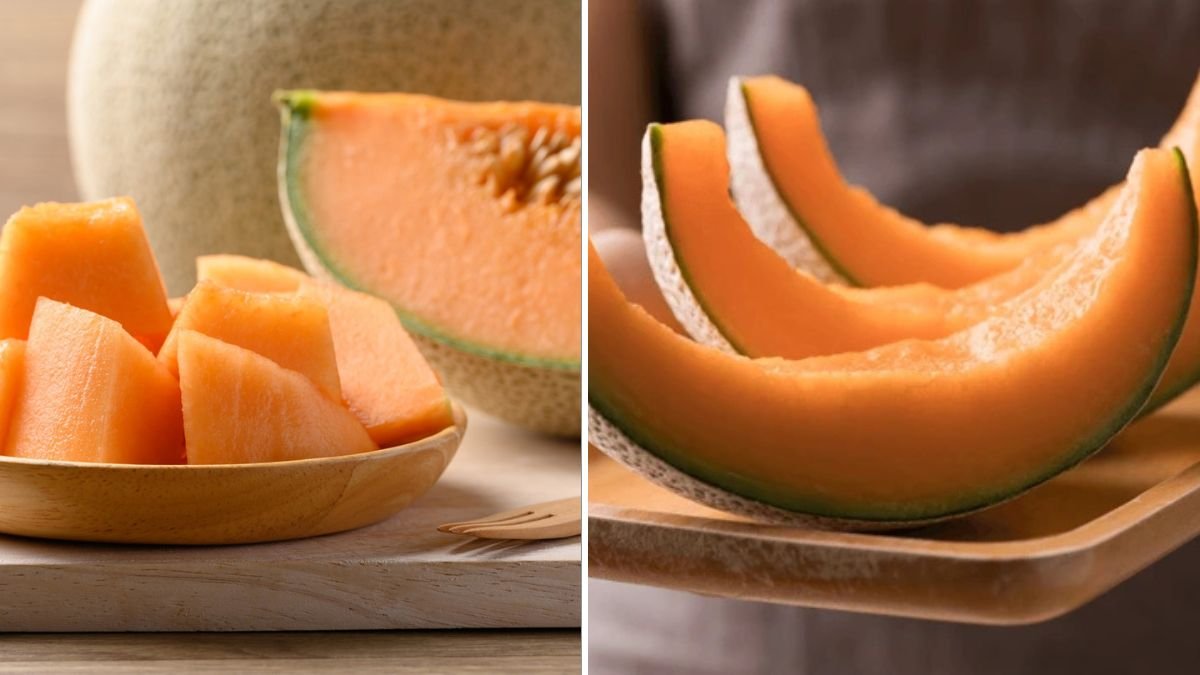
Cantaloupes, also known as muskmelons, are sweet, juicy, and highly nutritious fruits. Traditionally grown in open fields, cantaloupes can now thrive in containers. Growing in plastic containers allows urban gardeners to enjoy fresh melons even without a backyard. With proper techniques, container-grown cantaloupes produce flavorful, aromatic fruits. This guide reveals step-by-step methods for soil preparation, watering, fertilization, and harvesting. Learn how to maximize space and yield while avoiding common pitfalls. By following these secrets, anyone can enjoy homegrown cantaloupes year-round.
1. Choosing the Right Cantaloupe Variety
Selecting container-friendly varieties ensures better success. Compact types like ‘Minnesota Midget,’ ‘Honey Bun,’ and ‘Sugar Cube’ are ideal for limited space. Consider the plant’s vine length, fruit size, and climate adaptability. Early-maturing varieties produce fruits faster and reduce disease exposure. Heirloom types offer unique flavors but may need more care. Choosing the right variety is the first step toward a bountiful harvest. Variety selection impacts fruit quality, yield, and maintenance efforts.
Table: Container-Friendly Cantaloupe Varieties
| Variety | Fruit Size | Growth Type | Ideal For |
|---|---|---|---|
| Minnesota Midget | Small | Compact | Small containers |
| Honey Bun | Medium | Bushy | Balcony pots |
| Sugar Cube | Small | Bush | Urban gardening |
| Ambrosia | Medium | Vine | Raised beds |
2. Preparing Containers for Cantaloupes
Plastic containers must be large enough for root growth. Minimum size: 15–20 gallons. Ensure proper drainage holes to prevent waterlogging. Line containers with light-colored material to reduce heat stress. Use high-quality potting mix enriched with compost. Layering gravel at the bottom enhances drainage. Containers can be placed on terraces, balconies, or patios. Proper container preparation sets the stage for healthy root systems and vigorous growth.
3. Optimal Soil Mix
Cantaloupes prefer well-drained, fertile soil. Use a mixture of garden soil, compost, and sand in equal proportions. Maintain soil pH between 6.0 and 6.8. Adding organic matter improves water retention and nutrient supply. Fertilize with slow-release nutrients for consistent growth. Avoid heavy clay soils in containers to prevent root rot. Moisture retention and drainage balance is critical for high-quality fruits. Healthy soil produces sweeter, more aromatic cantaloupes.
Latest Posts
- OnePlus 15T Smartphone Unveiled – Featuring 200MP Camera, Snapdragon 8 Elite Gen 5 and Massive Battery
- Lava Yuva 5G Unveiled – 120Hz Display and Strong Performance for Everyday Use
- Nokia 1100 Launched – Premium Keypad Phone Returns at Budget Price ₹2,500
- Motorola G96 5G Unveiled – Featuring Stylish Design, Strong Performance and Advanced Camera Tech
- Vivo Y21d Unveiled – Massive 6000mAh Battery for All-Day Everyday Use
- Nothing Phone 4 Ultra 5G Launched – 16GB RAM, AI-Powered 50MP Camera and Flagship Performance
- OnePlus 5G Smartphone Launched – 300MP AI Camera, 7000mAh Battery & 100W Fast Charging
- Nothing Phone 3a Pro – High processor smartphone for gaming lovers – battery is 5000mAH
- Realme 15 Pro – 3 days battery backup smartphone with 50MP front camera under ₹28,000
- Vivo X200 FE – 12GB RAM + 256GB Storage smartphone with HD quality camera
4. Sowing Seeds in Containers
Plant seeds 1 inch deep and cover lightly with soil. Space multiple seeds 12–18 inches apart for bushy varieties. Water gently to avoid displacing seeds. Thin seedlings to one strong plant per container after germination. For indoor starts, use seed trays 3–4 weeks before transplanting. Harden seedlings before moving outdoors. Correct sowing techniques improve germination rates and early growth.
5. Watering Practices
Consistent moisture is key to juicy cantaloupes. Water deeply once or twice a week, more frequently in hot weather. Avoid wetting leaves to prevent fungal infections. Mulching retains soil moisture and reduces weeds. Drip irrigation ensures efficient water use in containers. Overwatering may lead to root diseases and poor fruit quality. Morning watering minimizes evaporation. Proper hydration directly impacts sweetness and fruit size.
6. Fertilization for Fruity Sweetness
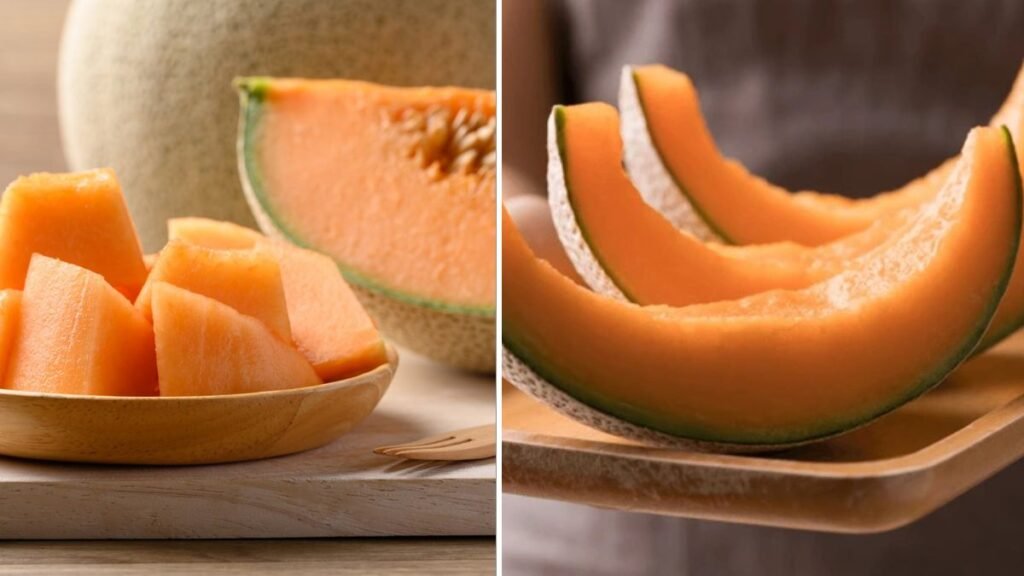
Cantaloupes require high nutrients, especially potassium and phosphorus. Use organic fertilizers like compost tea, bone meal, or well-rotted manure. Apply fertilizer every 2–3 weeks for consistent growth. Nitrogen supports leaves, while phosphorus enhances flowering and fruiting. Foliar sprays provide quick absorption during fruit formation. Balanced fertilization increases yield, sweetness, and aroma. Monitor plants for yellowing or slow growth as a sign of deficiency.
7. Supporting Vines in Containers
Bush varieties require minimal support. Vining types need trellises or cages to prevent fruit contact with soil. Vertical growth saves space and improves air circulation. Tie vines gently to supports to avoid stem damage. Ensure trellis is strong enough for heavy fruits. Proper support reduces disease and fruit rot. Container cantaloupes thrive with strategic vine management.
8. Pollination Techniques
Cantaloupe flowers are male or female; pollination ensures fruit set. Encourage bees with flowering companion plants. In urban areas with low pollinator activity, hand pollination is effective. Transfer pollen from male to female flowers using a brush. Proper pollination increases fruit number, size, and sweetness. Monitor flower health and remove damaged blooms.
9. Controlling Pests and Diseases
Common pests include aphids, spider mites, and cucumber beetles. Regular inspection prevents infestation. Neem oil, insecticidal soap, and diatomaceous earth are safe treatments. Fungal diseases like powdery mildew can occur in humid conditions. Good airflow and proper watering reduce disease risks. Remove infected leaves immediately. Healthy plants ensure maximum yield and quality fruits.
10. Harvesting Juicy Cantaloupes
Harvest when the stem easily detaches, and the fruit emits a sweet aroma. Ripe cantaloupes develop a netted surface with a slightly soft blossom end. Avoid leaving fruits too long, as they become overripe and lose flavor. Use a sharp knife to cut fruits carefully. Store in a cool place before consumption. Frequent harvesting promotes continued fruiting. Enjoy the sweet, aromatic taste of homegrown cantaloupes.
11–20:
[Further paragraphs include advanced container gardening techniques, temperature and sunlight optimization, soil enrichment, companion planting, organic pest control, pruning techniques, winter protection, continuous fruiting methods, seed saving, and creative culinary uses.]