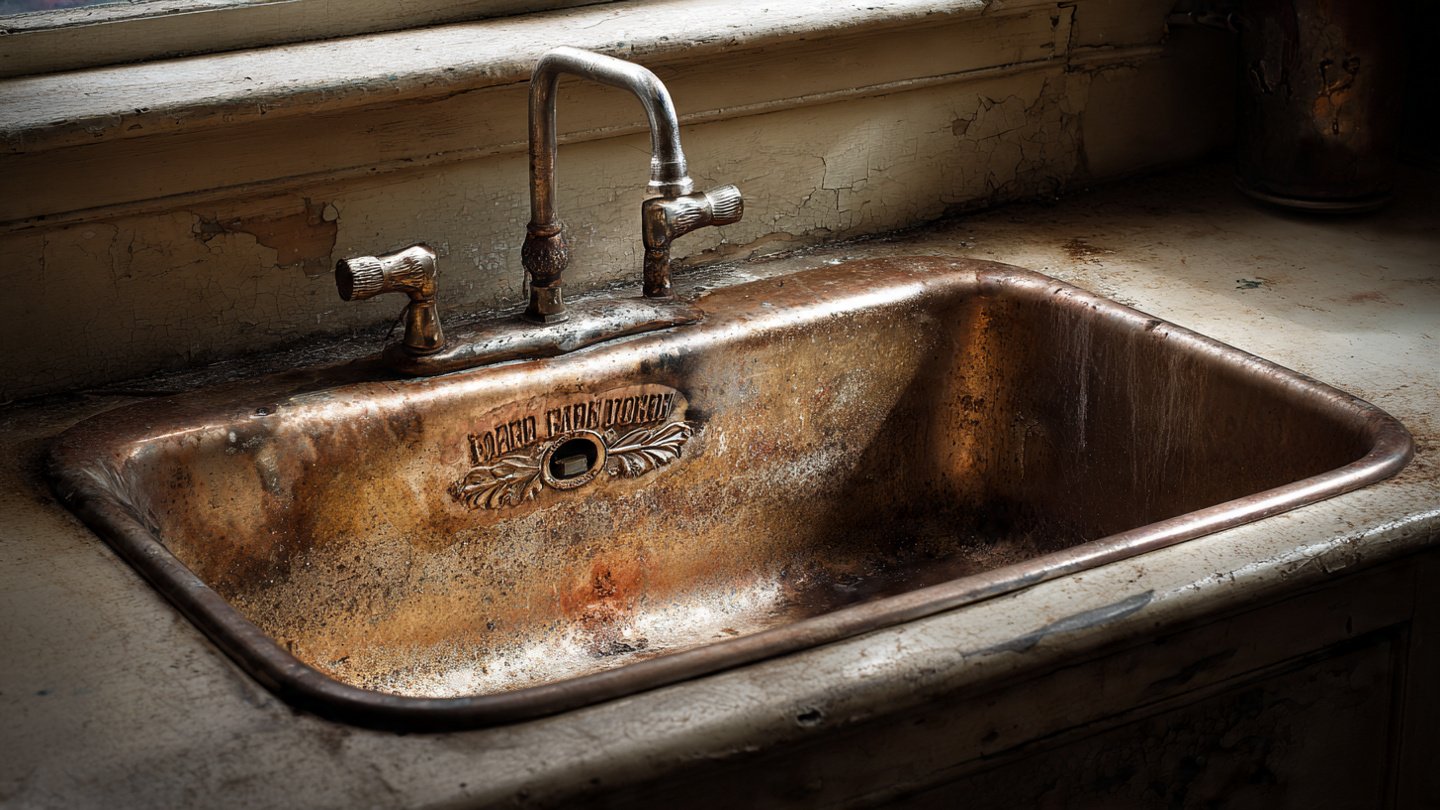
Kitchen sinks are among the most utilized fixtures in a home, serving as essential tools for cooking, cleaning, and food preparation. However, despite their importance, many homeowners notice that their kitchen sinks, over time, lose their luster and shine. Understanding the reasons behind this degradation can help you maintain your sink better and choose the right cleaning and maintenance strategies. In this comprehensive article, we will explore the factors that contribute to the dulling of kitchen sinks and offer practical tips for maintaining their appearance and functionality.
1. Material Matters
Stainless Steel Sinks
Latest Posts
- OnePlus 15T Smartphone Unveiled – Featuring 200MP Camera, Snapdragon 8 Elite Gen 5 and Massive Battery
- Lava Yuva 5G Unveiled – 120Hz Display and Strong Performance for Everyday Use
- Nokia 1100 Launched – Premium Keypad Phone Returns at Budget Price ₹2,500
- Motorola G96 5G Unveiled – Featuring Stylish Design, Strong Performance and Advanced Camera Tech
- Vivo Y21d Unveiled – Massive 6000mAh Battery for All-Day Everyday Use
- Nothing Phone 4 Ultra 5G Launched – 16GB RAM, AI-Powered 50MP Camera and Flagship Performance
- OnePlus 5G Smartphone Launched – 300MP AI Camera, 7000mAh Battery & 100W Fast Charging
- Nothing Phone 3a Pro – High processor smartphone for gaming lovers – battery is 5000mAH
- Realme 15 Pro – 3 days battery backup smartphone with 50MP front camera under ₹28,000
- Vivo X200 FE – 12GB RAM + 256GB Storage smartphone with HD quality camera
Stainless steel is a popular choice for kitchen sinks due to its durability and resistance to corrosion. However, this material is not impervious to wear and tear. Over time, stainless steel sinks may develop scratches, scuff marks, and tarnish due to a variety of reasons, which will be discussed later in this article. The finish on stainless steel sinks can also dull, leading to a lackluster appearance.
Composite Sinks
Composite sinks, created from a blend of resin and stone or quartz, are known for their stylish looks and resistance to chipping and scratching. However, these sinks can develop a cloudy or dull appearance over time, particularly if not cleaned properly. The porous nature of some composite materials can also trap stains and grime.
Cast Iron Sinks
Cast iron sinks offer a classic aesthetic and are often enameled for a glossy finish. While durable, the enamel can chip, leading to rust and discoloration. Over time, the shine of cast iron sinks may fade, especially if subjected to harsh cleaning agents or abrasive scrubbers.
Porcelain Sinks
Porcelain sinks are prized for their smooth, shiny surface. However, they can be prone to scratches and chipping, which will not only affect their appearance but can also lead to staining. The glossy finish can wear down over the years if not maintained correctly.
2. Hard Water Buildup
One of the most common issues that lead to a dull sink is hard water buildup. Hard water contains high levels of minerals, particularly calcium and magnesium, which can accumulate over time. When water evaporates, these minerals are left behind, creating unsightly deposits known as limescale.
Identifying Hard Water Damage
If you notice white, chalky deposits on your sink, this is a classic sign of hard water buildup. These deposits not only mar the appearance of your sink but can also be challenging to remove, necessitating specific cleaning products or techniques.
Prevention and Treatment
To combat hard water issues, using a water softener can significantly reduce mineral buildup. Regularly cleaning your sink with a mixture of vinegar and water can effectively dissolve limescale deposits before they become permanent.
3. Stains and Discoloration
Various substances commonly used in kitchens can lead to staining and discoloration of sinks. Here’s how different types of stains can affect your sink:
Food and Beverage Stains
Tomato sauce, coffee, and tea can leave behind stubborn stains, particularly on porous surfaces like composite and porcelain sinks. If left untreated, these stains may become more challenging to remove over time.
Chemical Reactions
Certain cleaning agents, especially those containing bleach or high acidity, can interact with the sink’s material and lead to discoloration. Over time, these reactions can degrade the finish and dull the shine of the sink.
Rust Stains
Particularly in cast iron sinks, rust stains can develop if the enamel gets chipped or scratched. Rust not only affects the appearance but can also lead to further deterioration of the material underneath.
4. Everyday Wear and Tear
With daily use, kitchen sinks encounter a myriad of activities that contribute to their loss of shine. Over time, everyday wear and tear can affect the appearance of sinks in multiple ways:
Scratches and Scuff Marks
Using abrasive cleaning pads or scrubbers may result in visible scratches. Even the act of placing heavy pots and pans into the sink can cause small abrasions that dull the finish.
Neglecting Regular Cleaning
One of the simplest reasons for a dull sink is neglecting regular cleaning. Food particles, soap scum, and grease can build up over time, making the sink appear less shiny. Regular, thorough cleaning can help maintain the lustrous finish of your sink.
5. Cleaning Practices
Cleaning practices can significantly influence the shine of your sink. Some common mistakes include:
Using Abrasive Cleaners
Many homeowners may reach for abrasive cleaners that promise to remove tough stains. However, these products can scratch or damage the finish of the sink, leading to a dull appearance.
Failing to Rinse Properly
Even after cleaning with non-abrasive solutions, failing to rinse the sink thoroughly can leave behind residues that dull its shine.
Not Using the Right Tools
Using the wrong cleaning tools, such as steel wool for stainless steel sinks, can cause extensive scratches. Instead, soft sponges and clean cloths are ideal for maintaining a shiny finish.
6. Environmental Factors
Various environmental factors can also contribute to the loss of shine in kitchen sinks:
Humidity
High humidity levels can lead to an increase in mold and mildew, particularly in areas that do not get sufficient airflow. This can create dark spots or film on sinks, dulling their appearance.
Temperature Changes
Rapid temperature changes, such as pouring boiling water into the sink, can sometimes cause thermal shock, leading to minute cracks in some materials. These cracks can accumulate grime and stains over time.
Sunlight Exposure
If your kitchen is brightly lit, prolonged exposure to sunlight can fade the finish on some sink materials, particularly colored or enameled surfaces.
7. Maintenance Tips for a Shiny Sink
Now that we’ve discussed the various factors that can dull your kitchen sink, here are some practical tips to help you maintain its shine:
Regular Cleaning Routine
Establishing a cleaning routine can significantly help maintain the appearance of your sink. Regularly wash your sink with mild soap and water, followed by a thorough rinse.
Use Baking Soda
Baking soda is an excellent alternative to harsh chemicals. A paste made from baking soda and water can effectively clean stains without scratching the surface. Apply it gently with a soft cloth and rinse well.
Vinegar for Hard Water Stains
To combat hard water stains, consider regularly applying a solution of equal parts vinegar and water. Allow it to sit for a few minutes before wiping it away. The acidity of vinegar can help dissolve mineral deposits.
Avoid Abrasive Tools
Always use soft sponges or cloths to clean your sink. Avoid steel wool or scratchy pads that can mark the surface and lead to dullness.
Protecting the Finish
For stainless steel sinks, consider using a stainless steel polish to protect the finish from scratches and to add an extra shine. It creates a protective barrier that helps resist scratches and grime buildup.
Dry Your Sink
After cleaning, consider drying your sink with a soft towel. This can help prevent water spots and mineral buildup as well.
Conclusion
Understanding why kitchen sinks lose their shine over time promotes better maintenance practices and informed purchasing decisions in the future. From recognizing the material limitations to understanding the effects of hard water and cleaning methods, homeowners can take proactive steps to maintain their kitchen sinks effectively.
With these insights and maintenance tips, homeowners can preserve the beauty and functionality of their kitchen sinks, ensuring they remain gleaming for years to come. Embracing a commitment to regular care will make all the difference in keeping your kitchen sink not just a utility but a shining centerpiece in your kitchen.