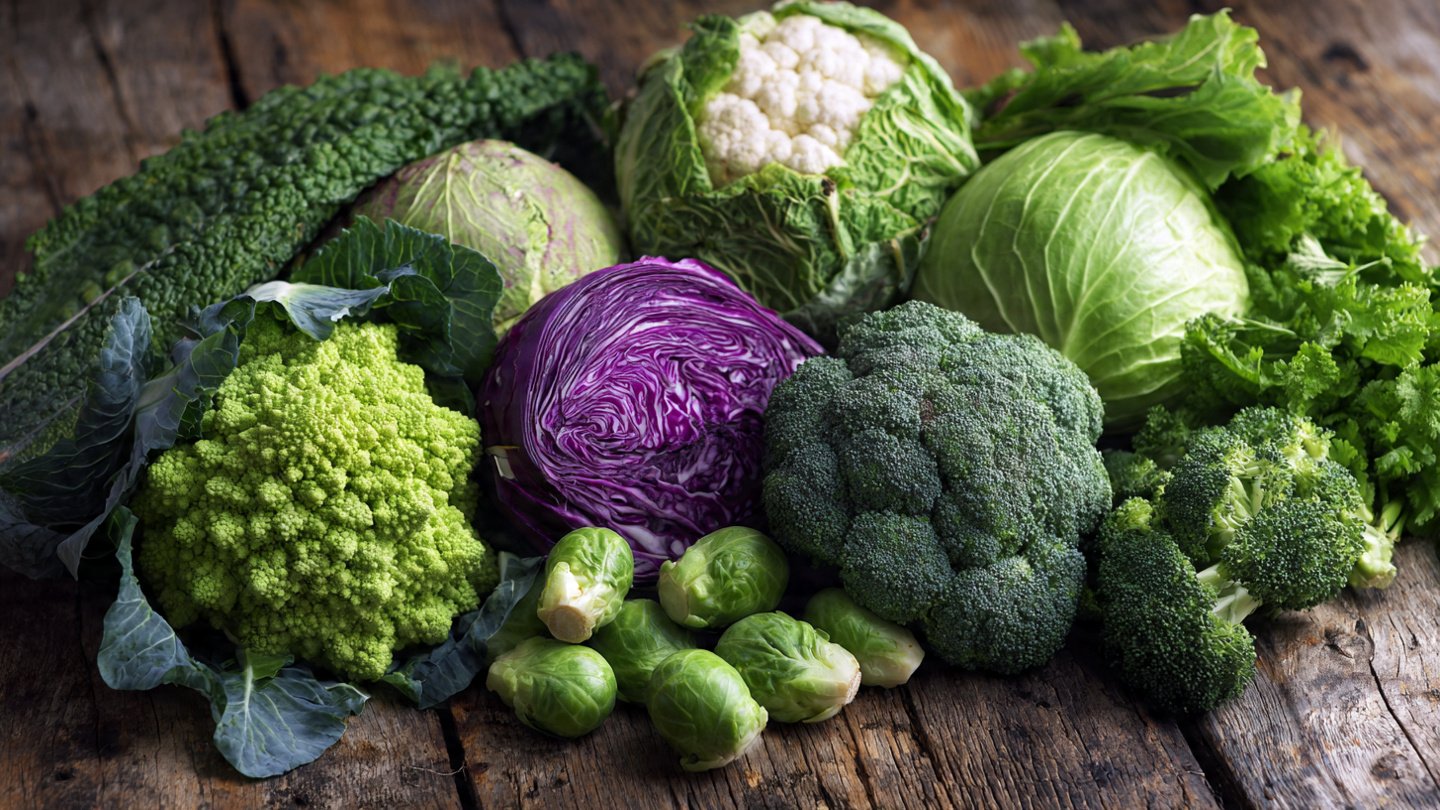
Calcium is a vital mineral that plays a significant role in various bodily functions, including bone health, muscle contractions, nerve signaling, and blood clotting. While dairy products are widely recognized as primary sources of calcium, many people, including those who are lactose intolerant or following a vegan lifestyle, often overlook the importance of calcium-rich vegetables. In this article, we will delve into the various benefits of calcium-rich vegetables, the best sources, and how to incorporate them into your diet.
The Role of Calcium in the Body
Calcium is particularly well-known for its role in maintaining strong bones and teeth. Approximately 99% of the body’s calcium is stored in these areas, contributing to their structure and strength. However, calcium is also essential for several other functions:
Latest Posts
- OnePlus 15T Smartphone Unveiled – Featuring 200MP Camera, Snapdragon 8 Elite Gen 5 and Massive Battery
- Lava Yuva 5G Unveiled – 120Hz Display and Strong Performance for Everyday Use
- Nokia 1100 Launched – Premium Keypad Phone Returns at Budget Price ₹2,500
- Motorola G96 5G Unveiled – Featuring Stylish Design, Strong Performance and Advanced Camera Tech
- Vivo Y21d Unveiled – Massive 6000mAh Battery for All-Day Everyday Use
- Nothing Phone 4 Ultra 5G Launched – 16GB RAM, AI-Powered 50MP Camera and Flagship Performance
- OnePlus 5G Smartphone Launched – 300MP AI Camera, 7000mAh Battery & 100W Fast Charging
- Nothing Phone 3a Pro – High processor smartphone for gaming lovers – battery is 5000mAH
- Realme 15 Pro – 3 days battery backup smartphone with 50MP front camera under ₹28,000
- Vivo X200 FE – 12GB RAM + 256GB Storage smartphone with HD quality camera
- Muscle Function: Calcium is crucial for muscle contractions. It enables the interaction between actin and myosin, the proteins responsible for muscle movement.
- Blood Clotting: Calcium plays an integral role in the blood clotting process, helping to prevent excessive bleeding.
- Nerve Transmission: Calcium helps transmit messages in the nervous system, allowing for proper communication between the brain and the body.
- Hormonal Secretion: Calcium is involved in the secretion of hormones and enzymes that are vital for various bodily functions.
Calcium Deficiency: A Growing Concern
Calcium deficiency can lead to serious health issues, including:
- Osteoporosis: A condition characterized by weak and brittle bones, increasing the risk of fractures.
- Rickets: A disease in children that results in bone deformities and growth delays.
- Muscle Cramps: Low calcium levels can lead to muscle cramps and spasms.
Many individuals do not meet the daily calcium requirements, which are about 1,000 mg for most adults and 1,200 mg for individuals over 50. Therefore, it’s essential to find alternative sources of calcium, especially for those who cannot consume dairy.
Best Sources of Calcium-Rich Vegetables
Incorporating calcium-rich vegetables into your diet can significantly contribute to your daily calcium intake. Some of the best sources include:
- Leafy Greens: Vegetables such as kale, collard greens, and bok choy are excellent sources of calcium. One cup of cooked collard greens can provide approximately 350-400 mg of calcium.
- Broccoli: This cruciferous vegetable not only provides calcium but also contains many other essential nutrients. One cup of cooked broccoli contains about 180 mg of calcium.
- Mustard Greens: Another nutrient-packed green, mustard greens offer about 200 mg of calcium per cooked cup.
- Okra: Often overlooked, okra is a vegetable high in calcium, offering around 123 mg per cup when cooked.
- Figs: While technically a fruit, dried figs are a fantastic source of calcium. One ounce provides about 80 mg of calcium.
- Snow Peas: A delightful addition to salads and stir-fries, snow peas contain about 70 mg of calcium per cup.
Health Benefits of Calcium-Rich Vegetables
In addition to providing essential calcium, these vegetables offer a myriad of health benefits:
- Packed with Nutrients: Calcium-rich vegetables are often rich in vitamins, minerals, and antioxidants, promoting overall health.
- Weight Management: Many of these vegetables are low in calories and high in fiber, making them great for weight management.
- Bone Health: Regular consumption of calcium-rich vegetables can help maintain bone density and reduce the risk of osteoporosis.
- Reduced Disease Risk: A diet rich in vegetables has been linked to a lower risk of chronic diseases, including heart disease and certain cancers.
Incorporating Calcium-Rich Vegetables into Your Diet
Adding calcium-rich vegetables to your meals is easier than you might think. Here are a few suggestions:
- Salads: Create vibrant salads packed with leafy greens, adding toppings like almonds or seeds for extra calcium.
- Smoothies: Blend kale or spinach into your morning smoothies for a nutritious boost.
- Stir-fries: Include broccoli, bok choy, and snow peas in your stir-fries for a delightful crunch.
- Soups: Add collard greens or mustard greens to soups for added flavor and nutrition.
Experimenting with different preparation methods, such as steaming, sautéing, or incorporating into baked dishes, can enhance the taste and retain nutrients.
Conclusion
Calcium is a crucial mineral for maintaining overall health, and calcium-rich vegetables offer an excellent alternative to traditional dairy sources. By incorporating a variety of these vegetables into your diet, you not only ensure adequate calcium intake but also benefit from their additional health properties. Whether you are a vegetarian, vegan, or simply looking to diversify your food choices, embracing calcium-rich vegetables can lead to better health outcomes and enhanced well-being. Remember, making small changes to your diet can have a significant impact on your health in the long run.
FAQs
1. How much calcium do I need daily?
Most adults need about 1,000 mg of calcium per day. Women over 50 and men over 70 should aim for 1,200 mg.
2. Can I get enough calcium without dairy?
Yes, you can obtain adequate calcium through a variety of sources, including leafy greens, tofu, almonds, and fortified plant-based milk.
3. Are there any side effects of consuming too much calcium?
Excessive calcium intake can lead to kidney stones and may interfere with the absorption of other minerals.
4. How can I maximize calcium absorption?
Consume vitamin D-rich foods and spend time in sunlight, as vitamin D enhances calcium absorption.
5. What are some calcium-rich plant-based foods besides vegetables?
Other calcium-rich plant foods include fortified plant milks, chia seeds, almonds, and tahini.