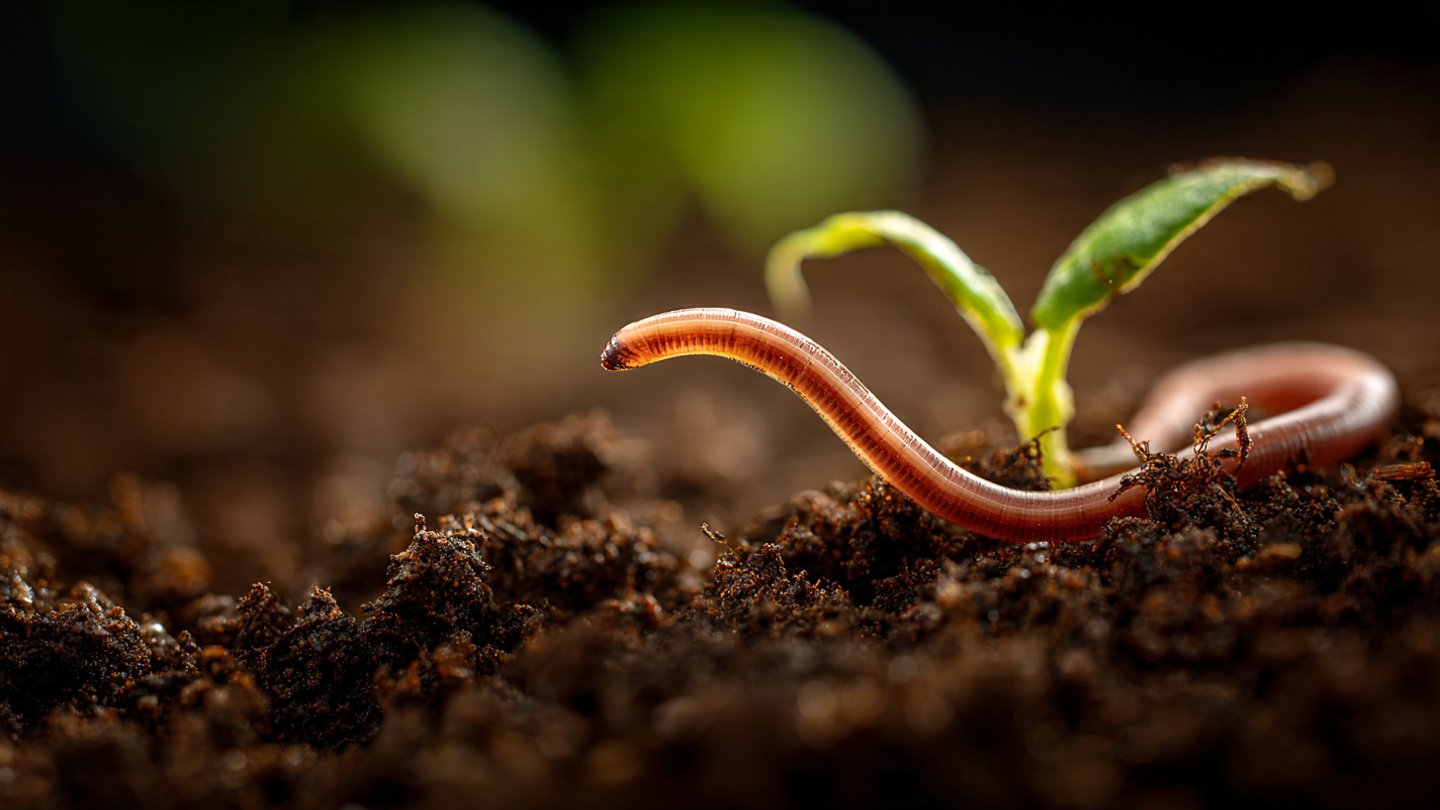
The hidden life beneath our feet is a complex web of organisms, and among the most fascinating are beneficial nematodes. Often overlooked, these microscopic roundworms play a crucial role in soil health, plant growth, and pest management. In this article, we will delve into the world of beneficial nematodes, exploring their roles, benefits, and how they can transform our agricultural and gardening practices.
Understanding Beneficial Nematodes
Beneficial nematodes are tiny, non-segmented roundworms that belong to the phylum Nematoda. They are typically less than 1 mm in length and are found in soil, water, and on plants. While there are over 25,000 species of nematodes, the majority are harmless or even beneficial to the ecosystem. The nematodes we will focus on are those that help control pest populations and improve soil health.
Classification
Nematodes can be classified into several groups based on their lifestyles:
- Plant-parasitic nematodes: These nematodes feed on plant roots, causing damage and disease.
- Free-living nematodes: Found in soil and water, they play essential roles in nutrient cycling.
- Entomopathogenic nematodes: These are parasitic to insects and are important for natural pest control.
The Role of Beneficial Nematodes in Soil Health
Beneficial nematodes contribute to soil health in several ways:
- Nutrient Cycling: By breaking down organic matter, they help release nutrients that plants need to thrive.
- Soil Structure: Nematodes play a role in maintaining soil structure, which is essential for water retention and root development.
- Microbial Interactions: They interact with soil microbes, creating a balanced ecosystem that supports plant growth.
Natural Pest Control
One of the most significant benefits of beneficial nematodes is their ability to control pest populations. Entomopathogenic nematodes (EPNs) are natural predators of various insect pests, including:
Latest Posts
- OnePlus 15T Smartphone Unveiled – Featuring 200MP Camera, Snapdragon 8 Elite Gen 5 and Massive Battery
- Lava Yuva 5G Unveiled – 120Hz Display and Strong Performance for Everyday Use
- Nokia 1100 Launched – Premium Keypad Phone Returns at Budget Price ₹2,500
- Motorola G96 5G Unveiled – Featuring Stylish Design, Strong Performance and Advanced Camera Tech
- Vivo Y21d Unveiled – Massive 6000mAh Battery for All-Day Everyday Use
- Nothing Phone 4 Ultra 5G Launched – 16GB RAM, AI-Powered 50MP Camera and Flagship Performance
- OnePlus 5G Smartphone Launched – 300MP AI Camera, 7000mAh Battery & 100W Fast Charging
- Nothing Phone 3a Pro – High processor smartphone for gaming lovers – battery is 5000mAH
- Realme 15 Pro – 3 days battery backup smartphone with 50MP front camera under ₹28,000
- Vivo X200 FE – 12GB RAM + 256GB Storage smartphone with HD quality camera
- Grubs
- Cutworms
- Fleahoppers
- Root weevils
EPNs are usually applied to the soil in their infective juvenile stage. Once introduced, they seek out their insect hosts. Upon locating a host, they enter through natural openings or even penetrate the cuticle. Inside the host, the nematodes release symbiotic bacteria that help to kill the insect. This process not only helps manage pest populations but also reduces the need for chemical pesticides, promoting a healthier ecosystem.
How to Use Beneficial Nematodes
Incorporating beneficial nematodes into your garden or agricultural practices is relatively straightforward:
1. Selection
Choose the right species of nematodes based on the pests you want to control. Popular species include:
- Steinernema feltiae: Effective against fungus gnats and root weevils.
- Heterorhabditis bacteriophora: Targets soil-dwelling pests like cutworms and grubs.
2. Application
Beneficial nematodes can be applied using:
- Watering cans
- Sprayers
- Drip irrigation systems
Make sure to follow the manufacturer’s instructions, as they typically need to be applied during moderate temperature and humidity conditions for maximum effectiveness.
3. Timing
To achieve the best results, apply nematodes when pests are active, generally during warmer months for soil-dwelling insects. Timing can vary based on your location and the specific crop you are cultivating.
Environmental Benefits
Beneficial nematodes contribute to sustainability in agriculture and gardening. Their natural control mechanisms reduce reliance on chemical pesticides, leading to:
- Minimized environmental impact
- Protection of beneficial insect populations
- Enhanced biodiversity in soil ecosystems
Using beneficial nematodes not only protects crops but also promotes a healthier environment for future generations.
Conclusion
Beneficial nematodes are small but mighty allies in the quest for healthier soils and sustainable pest management. By unlocking the secret life of these remarkable organisms, we can enhance soil fertility, naturally control pests, and promote a balanced ecosystem. As awareness and understanding of their benefits grow, more gardeners and farmers can adopt practices that leverage the power of beneficial nematodes, paving the way for a greener future.
FAQs
What are beneficial nematodes?
Beneficial nematodes are tiny roundworms that help control pest populations and improve soil health by breaking down organic matter and interacting with soil microbes.
How do I know if I have pest problems that nematodes can help control?
Look for signs of pest activity, such as wilting plants, yellowing leaves, or visible insects in the soil. Keeping an eye on plant health can indicate when nematodes might be beneficial.
Where can I purchase beneficial nematodes?
Beneficial nematodes are available at garden centers, agricultural supply stores, and online retailers.
Are beneficial nematodes safe for humans and pets?
Yes, beneficial nematodes are safe for humans, pets, and wildlife. They specifically target pest insects and do not harm other organisms.
How often should I apply beneficial nematodes?
Application frequency depends on pest populations and environmental conditions. They may need to be reapplied every few months or after heavy rain, which can wash them away.