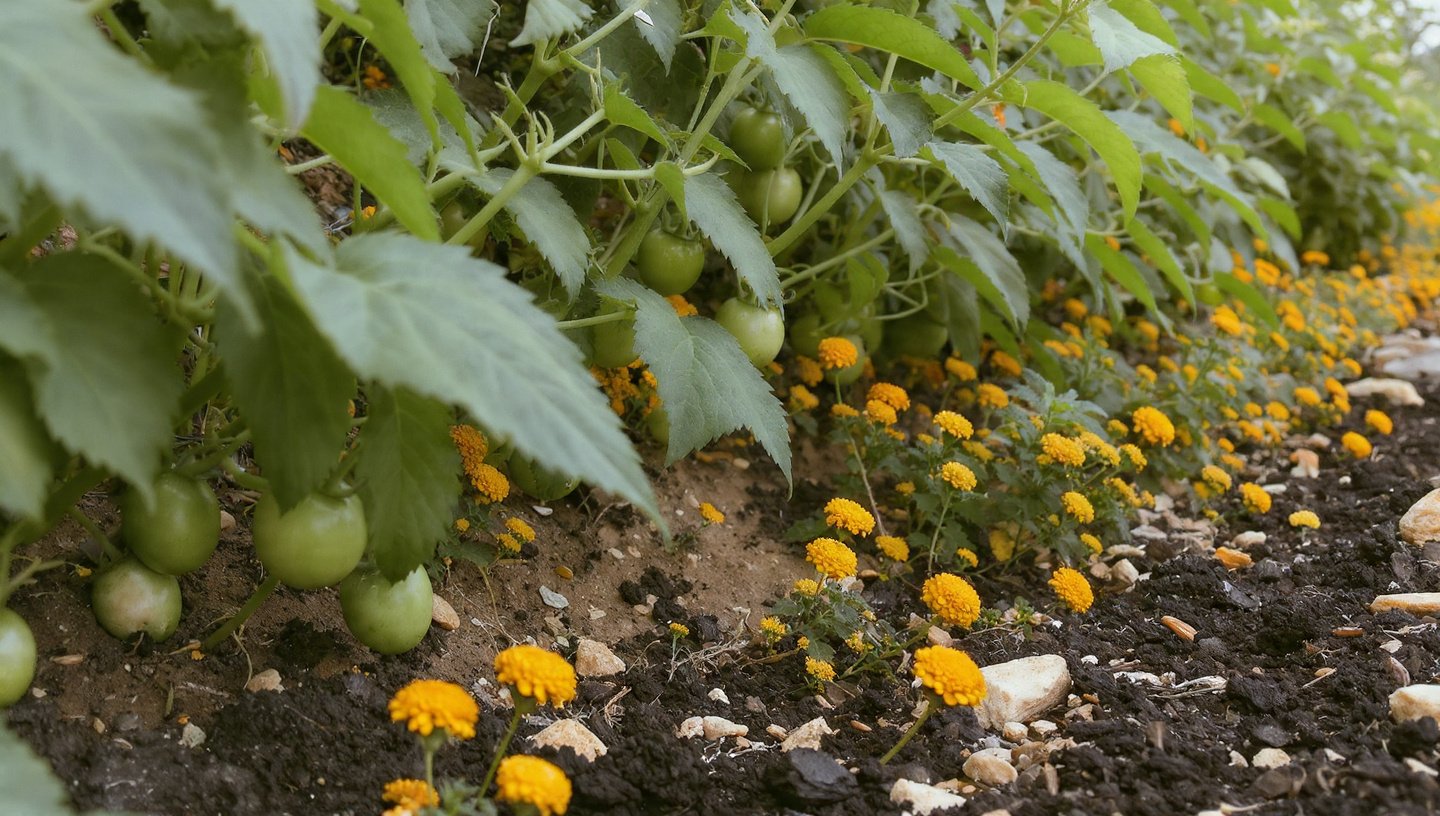
Tomato cultivation has become a widespread endeavor among home gardeners and professional farmers alike. However, increasing yield and maintaining healthy plants can often be a challenge. One effective strategy that is gaining recognition is the incorporation of marigolds into tomato gardens. These vibrant flowers do more than just beautify the space; they can significantly enhance tomato yield and plant health. In this article, we’ll explore the benefits of planting marigolds alongside tomatoes, effective cultivation techniques, and tips for maximizing your garden’s potential.
Understanding the Benefits of Marigolds
Before diving into the planting process, it’s essential to understand why marigolds are beneficial companions for tomatoes. Here are several reasons that make marigolds a gardener’s favorite:
Latest Posts
- OnePlus 15T Smartphone Unveiled – Featuring 200MP Camera, Snapdragon 8 Elite Gen 5 and Massive Battery
- Lava Yuva 5G Unveiled – 120Hz Display and Strong Performance for Everyday Use
- Nokia 1100 Launched – Premium Keypad Phone Returns at Budget Price ₹2,500
- Motorola G96 5G Unveiled – Featuring Stylish Design, Strong Performance and Advanced Camera Tech
- Vivo Y21d Unveiled – Massive 6000mAh Battery for All-Day Everyday Use
- Nothing Phone 4 Ultra 5G Launched – 16GB RAM, AI-Powered 50MP Camera and Flagship Performance
- OnePlus 5G Smartphone Launched – 300MP AI Camera, 7000mAh Battery & 100W Fast Charging
- Nothing Phone 3a Pro – High processor smartphone for gaming lovers – battery is 5000mAH
- Realme 15 Pro – 3 days battery backup smartphone with 50MP front camera under ₹28,000
- Vivo X200 FE – 12GB RAM + 256GB Storage smartphone with HD quality camera
- Pest Deterrence: Marigolds are known for their ability to repel various pests. The strong scent of marigold flowers confuses and deters pests like aphids, whiteflies, and nematodes, which are known to harm tomato plants.
- Attract Beneficial Insects: While they fend off harmful pests, marigolds also attract beneficial insects, such as ladybugs and lacewings, which help in controlling pest populations naturally.
- Soil Health Improvement: Marigolds can help improve soil health through their root secretions, which can suppress certain soil-borne diseases affecting tomatoes and other plants.
- Aesthetic Appeal: Bright, colorful marigolds add visual interest to your garden, creating a lively atmosphere that can enhance enjoyment and satisfaction in your gardening efforts.
Choosing the Right Marigold Varieties
Not all marigold varieties are the same. Here are some popular types you might consider planting:
- French Marigolds (Tagetes patula): Known for their compact size and ability to produce lots of blooms, these are excellent for small gardens.
- African Marigolds (Tagetes erecta): Taller and more robust, African marigolds produce large flowers and are effective against nematodes.
- Signet Marigolds (Tagetes signata): These variety has a unique flavor and can even be used in cooking, making them a multi-functional choice.
Planting Marigolds with Tomatoes
Timing and technique play crucial roles in successfully growing marigolds alongside tomatoes. Here’s how to go about it:
1. Timing
Now is the ideal time to plant marigolds, especially if you are starting your tomato garden. Marigolds can be sown directly into the garden bed or started indoors and transplanted later. If you’re in a region with a shorter growing season, starting marigolds indoors a few weeks before your last frost date can give you a head start.
2. Soil Preparation
Before planting, ensure your soil is well-draining and rich in organic matter. Mixing compost into your garden bed can provide essential nutrients for both tomatoes and marigolds. Aim for a soil pH of around 6.0 to 7.0, which is ideal for both plants.
3. Planting Arrangement
When planting marigolds with tomatoes, consider a spacing of 12 to 18 inches between the plants to allow sufficient sunlight and airflow. This arrangement helps prevent fungal diseases and encourages healthy growth.
Caring for Your Marigolds and Tomatoes
Once planted, proper care is essential for both marigolds and tomatoes:
Watering
Both plants need consistent moisture but avoid overwatering. A deep watering once a week is generally sufficient, allowing the soil to dry slightly between waterings.
Fertilization
Use a balanced fertilizer to provide essential nutrients. Be cautious not to over-fertilize, as this can lead to excessive foliage at the expense of fruit production.
Pest Monitoring
While marigolds will help repel some pests, it’s still essential to monitor your tomato plants regularly for signs of pests or diseases. Keep a close watch for yellowing leaves, wilting, or insects.
Harvesting Your Tomatoes
As your tomato plants grow healthy alongside the marigolds, they will begin to bear fruit. Harvest tomatoes when they exhibit a rich color and slightly yield to gentle pressure. Picking fruits at the right time enhances the overall quality and flavor.
Conclusion
Incorporating marigolds into your tomato garden is a simple and effective way to increase yields while naturally managing pests. These vibrant flowers not only add beauty but also support healthier tomato plants through enhanced soil quality and pest deterrence. As you prepare to plant your marigolds alongside your tomatoes, remember to maintain proper watering and fertilization practices to ensure robust growth. With these tips, you can expect a bountiful harvest that not only satisfies your culinary needs but also enhances your gardening experience.
FAQs
1. Can I plant marigolds in pots alongside tomatoes?
Yes, marigolds can be planted in pots alongside tomatoes. Just ensure that the containers provide adequate space and drainage for both plants.
2. How close should I plant marigolds to my tomato plants?
It’s best to plant marigolds about 12 to 18 inches away from your tomato plants to ensure they have enough space for growth and airflow.
3. Do marigolds attract any pests?
While marigolds are helpful in repelling common garden pests, they may also attract beneficial insects, which can help control harmful populations in your garden.
4. Is there a specific time of year to plant marigolds?
Marigolds can be planted in spring after the last frost or started indoors a few weeks earlier to promote faster growth.
5. Are marigolds edible?
Some varieties, such as Signet marigolds, are edible and can be used in salads, garnishes, and even teas. Always ensure that they have not been treated with pesticides before consumption.