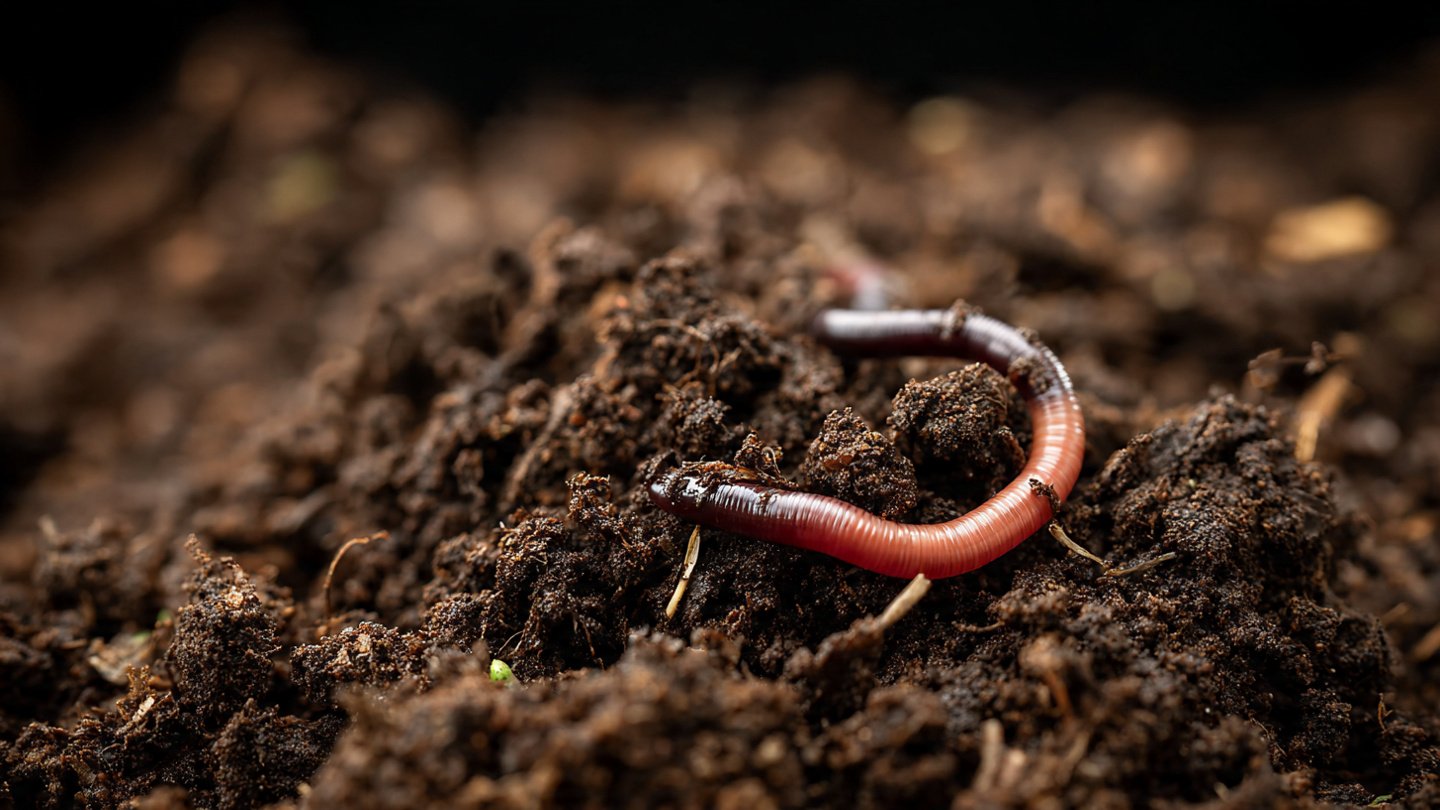
Gardening enthusiasts and agriculturalists alike often seek natural ways to enhance soil health and fertility. One of nature’s most effective allies in this endeavor is the humble earthworm. These fascinating creatures play a pivotal role in enhancing soil structure, fertility, and overall health. This article delves into how earthworms transform garden soil, the benefits they deliver, and how gardeners can encourage their presence.
The Role of Earthworms in the Ecosystem
Earthworms, primarily from the family Lumbricidae, are segmented invertebrates that inhabit soils worldwide. They thrive in moist, organic-rich environments where they can regularly find food. As ecosystem engineers, earthworms contribute to soil health in several ways:
Latest Posts
- OnePlus 15T Smartphone Unveiled – Featuring 200MP Camera, Snapdragon 8 Elite Gen 5 and Massive Battery
- Lava Yuva 5G Unveiled – 120Hz Display and Strong Performance for Everyday Use
- Nokia 1100 Launched – Premium Keypad Phone Returns at Budget Price ₹2,500
- Motorola G96 5G Unveiled – Featuring Stylish Design, Strong Performance and Advanced Camera Tech
- Vivo Y21d Unveiled – Massive 6000mAh Battery for All-Day Everyday Use
- Nothing Phone 4 Ultra 5G Launched – 16GB RAM, AI-Powered 50MP Camera and Flagship Performance
- OnePlus 5G Smartphone Launched – 300MP AI Camera, 7000mAh Battery & 100W Fast Charging
- Nothing Phone 3a Pro – High processor smartphone for gaming lovers – battery is 5000mAH
- Realme 15 Pro – 3 days battery backup smartphone with 50MP front camera under ₹28,000
- Vivo X200 FE – 12GB RAM + 256GB Storage smartphone with HD quality camera
-
Soil Aeration: When earthworms burrow through the soil, they create tunnels that allow air, water, and nutrients to penetrate deeper layers of the earth. This aeration is vital for root growth and the overall function of soil organisms.
-
Nutrient Cycling: As earthworms consume organic matter, they break it down into simpler compounds, transforming it into forms that plants can more readily absorb. This process promotes nutrient cycling, which is essential for plant health.
-
Soil Structure Improvement: The burrowing activity of earthworms results in more stable soil aggregates. These aggregates improve soil structure, enhance water retention, and reduce erosion.
-
Organic Matter Decomposition: Earthworms contribute significantly to the decomposition of organic matter, including plant residues and other organic materials. Their digestive process, combined with the action of microorganisms, speeds up composting and soil fertility.
-
Production of Worm Castings: Worm castings, the nutrient-rich organic matter excreted by earthworms, are packed with beneficial microbial activity and nutrients. They are often considered ‘black gold’ by gardeners due to their ability to accelerate plant growth.
Soil Aeration and Structure
One of the primary ways earthworms transform garden soil is through their burrowing habits. As they move through the soil, they create a complex network of tunnels that allow air and water to flow freely. This natural aeration is crucial for:
- Root Development: Plant roots require oxygen to thrive, and well-aerated soil ensures that they receive adequate airflow.
- Improved Drainage: Tunnels help prevent waterlogging, particularly in clay soils, by improving drainage. Healthy drainage is essential to maintain root health and prevent fungal diseases.
- Enhanced Microbial Activity: Beneficial soil microorganisms require oxygen to survive. Improved aeration promotes their activity, which is vital for breaking down organic matter and making nutrients available to plants.
Enhancing Nutrient Availability
Earthworms consume organic matter, including dead leaves, decaying plant remains, and organic waste. As they digest this material, they break it down into smaller particles and incorporate it into the soil. This digestive process yields several benefits:
- Nutrient Release: The breakdown of organic matter releases nutrients like nitrogen, phosphorus, and potassium into the soil. Worms convert these nutrients into forms that are more accessible to plants.
- Microbial Enhancement: The process of earthworm digestion fosters a diverse microbial ecosystem in the soil. Beneficial microbes thrive in worm castings, helping further decompose organic matter and releasing nutrients.
- pH Balance: Worm castings can help buffer soil pH, making it more neutral over time. This is especially beneficial for plants that struggle in acidic or alkaline soils.
Soil Structure Improvement
Healthy soil structure is vital for plant growth and resilience. Earthworms contribute significantly to this by:
- Creating Aggregates: Their burrowing activity promotes the formation of soil aggregates (clumps of soil particles). These aggregates enhance soil stability, improve water retention, and create habitats for microorganisms and small soil fauna.
- Reducing Soil Compaction: The tunnels made by earthworms help alleviate compaction, allowing roots to spread more easily and access nutrients and water.
- Promoting a Diverse Soil Ecosystem: A well-structured soil supports a diverse array of organisms, including beneficial insects, fungi, and bacteria. This biodiversity further enhances soil health and productivity.
Earthworms and Organic Matter Decomposition
Earthworms are exceptional decomposers, playing a critical role in breaking down organic material. Their efficiency stems from:
- Heterotrophic Digestion: Earthworms consume organic materials, which are then decomposed by gut microorganisms. This symbiotic relationship accelerates decay and nutrient release.
- Surface Area Expansion: As worms grind organic matter in their gizzards, they increase its surface area, making it more accessible to further microbial action.
- Soil Homogenization: As worms mix organic matter into the soil, the nutrients become evenly distributed, ensuring that plants have consistent access to the nutrients they need.
The Benefits of Earthworm Castings
One of the most significant contributions of earthworms is the production of castings, often regarded as one of the best natural fertilizers. The benefits of worm castings include:
- Nutrient-Rich Composition: Worm castings contain essential nutrients in forms that are immediately usable by plants.
- Microbial Life: They are teeming with beneficial microbial life, which contributes to soil health and supports plant growth.
- Soil Moisture Retention: Castings improve the soil’s ability to retain moisture, reducing the need for frequent watering.
- Reduced Soil Erosion: The fine texture of worm castings helps bind soil particles together, minimizing erosion.
How to Encourage Earthworms in Your Garden
To reap the benefits of earthworms, gardeners can take several steps to create a worm-friendly environment:
-
Add Organic Matter: Incorporating compost, leaf litter, and decomposed plant material creates a rich, organic environment where earthworms thrive.
-
Avoid Chemical Fertilizers and Pesticides: Chemical treatments can harm earthworms and disrupt the balance of the garden ecosystem. Opt for organic alternatives to nourish your plants.
-
Maintain Soil Moisture: Earthworms prefer moist conditions. Regular watering, especially during dry spells, can support their population.
-
Mulching: Applying mulch helps retain soil moisture and provides an additional food source for earthworms as it decomposes.
-
Minimize Soil Disturbance: Practices like reduced tillage or no-till gardening can protect earthworm habitats and populations. Excessive turning of the soil can disrupt their burrows and habitats.
-
Create a Diverse Plant Community: Planting a variety of species can attract different types of earthworms and contribute to a healthy garden ecosystem.
Conclusion
Earthworms are vital contributors to soil health and fertility, making them invaluable allies for any gardener. Their role in aeration, nutrient cycling, soil structure improvement, and organic matter decomposition cannot be overstated. By fostering a favorable environment for earthworms, gardeners can enhance the health of their soil, promote robust plant growth, and enjoy a thriving garden. Embracing these natural allies not only supports sustainability but also cultivates an appreciation for the intricate ecosystems that exist beneath our feet. Understanding and harnessing the power of earthworms can lead to richer, healthier soil, ultimately resulting in a flourishing garden.