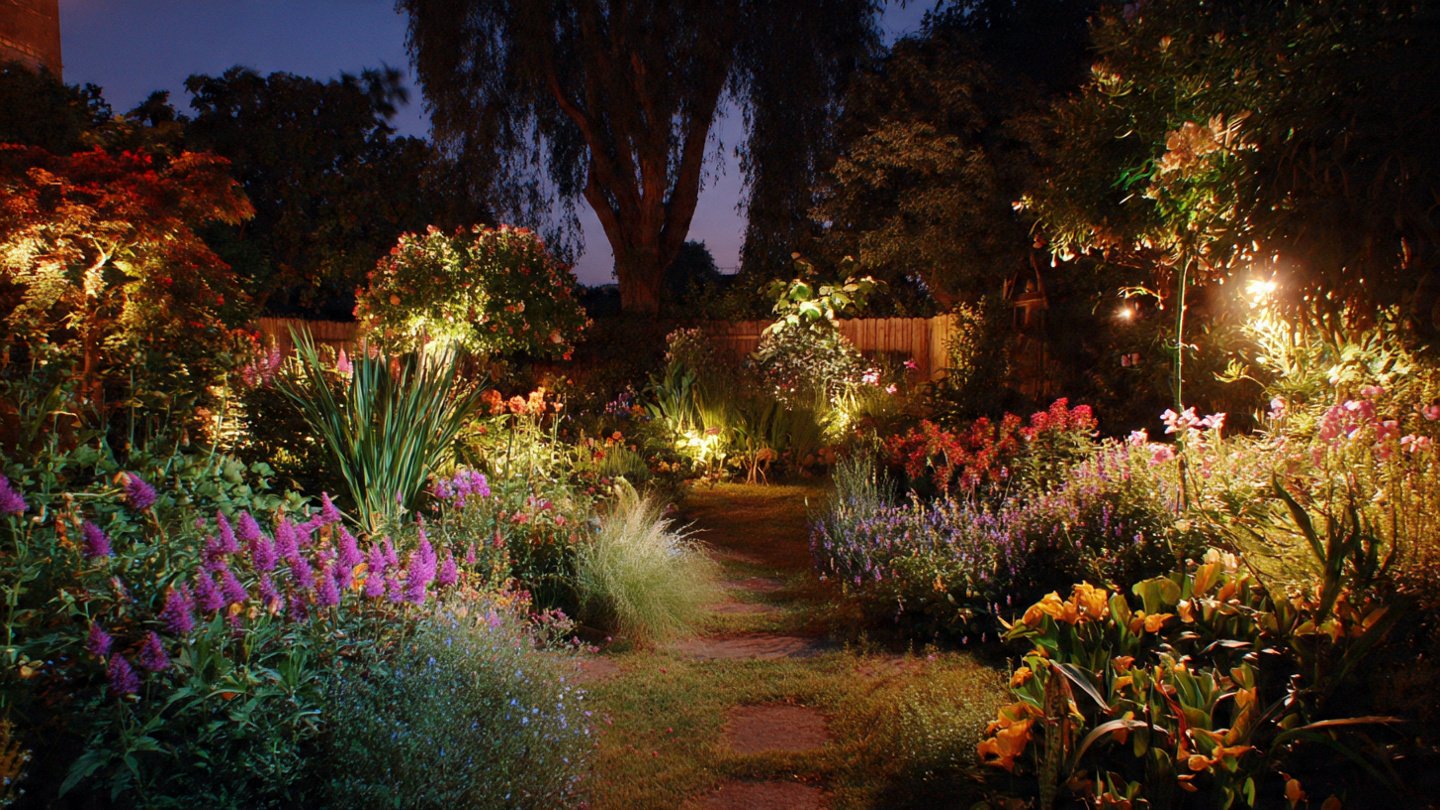
In the realms of interior design and landscaping, we often seek innovative ways to enhance our environments. One exciting trend in this pursuit is the use of hidden lights to illuminate plants, creating a captivating transformation that elevates the visual appeal of any space. Hidden lights, when used creatively, can turn ordinary plants into stunning focal points—glowing masterpieces that enhance the ambiance of a room or garden. In this article, we will explore the technology behind hidden lighting, the practical applications, the aesthetic advantages, and tips for achieving beautiful results.
Understanding Hidden Lighting
Hidden lighting refers to illumination that is discreetly integrated into a space, often concealed behind architectural elements. These lights can be installed in ceilings, under shelves, within walls, or around plant pots. The technique allows for a soft, diffused glow that highlights textures and shapes without the harshness of direct light.
Types of Hidden Lighting
- LED Strip Lights: Flexible and versatile, LED strips can fit into tight spaces and are available in various colors and intensities. They are ideal for lining plant pots or edges of plants.
- Recessed Lighting: Installed within walls or ceilings, recessed lights can provide uplighting or downlighting, creating dramatic effects in well-arranged spaces.
- Spotlights: Focused lights that can be hidden within plant arrangements to accentuate specific species or design elements.
- Fiber Optics: These provide gentle, twinkling lights and can be arranged to mimic stars or other luminescent effects, enhancing the magical feel of a plant display.
Enhancing the Aesthetic Appeal
Creating Mood and Atmosphere
Plants possess intrinsic beauty, but their allure can be significantly enhanced through lighting. The interplay between light and shadow creates depth, guides the eye, and creates a sense of drama.
- Soft Glow: A warm, subtle light casts a natural feel, mimicking moonlight. This is particularly effective in creating a serene environment in bedrooms or quiet sitting areas.
- Color Play: By using colored LED lights, we can evoke different moods. For instance, cool blue tones can create a calming effect, while warm reds and oranges can energize a space.
Textural Emphasis
Lighting can accentuate the unique textures of leaves, bark, and flowers. The interaction between the light and the plant material can bring out rich colors that may go unnoticed in natural sunlight. For example:
- Foliage: A large, leafy plant may look simply green during the day but can exhibit a radiant tapestry of color when illuminated.
- Flowers: Certain blooms can seem to glow when backlit or softly illuminated, making them the star of the show.
Seasonal Displays
Incorporating hidden lights also allows for dynamic seasonal displays. You can easily switch out the colors or adjust the brightness to align with holidays or seasonal changes, further enriching the experience of your plant arrangements.
Latest Posts
- OnePlus 15T Smartphone Unveiled – Featuring 200MP Camera, Snapdragon 8 Elite Gen 5 and Massive Battery
- Lava Yuva 5G Unveiled – 120Hz Display and Strong Performance for Everyday Use
- Nokia 1100 Launched – Premium Keypad Phone Returns at Budget Price ₹2,500
- Motorola G96 5G Unveiled – Featuring Stylish Design, Strong Performance and Advanced Camera Tech
- Vivo Y21d Unveiled – Massive 6000mAh Battery for All-Day Everyday Use
- Nothing Phone 4 Ultra 5G Launched – 16GB RAM, AI-Powered 50MP Camera and Flagship Performance
- OnePlus 5G Smartphone Launched – 300MP AI Camera, 7000mAh Battery & 100W Fast Charging
- Nothing Phone 3a Pro – High processor smartphone for gaming lovers – battery is 5000mAH
- Realme 15 Pro – 3 days battery backup smartphone with 50MP front camera under ₹28,000
- Vivo X200 FE – 12GB RAM + 256GB Storage smartphone with HD quality camera
Practical Applications in Various Spaces
Indoor Gardens
Hidden lighting works wonders for indoor plants, offering both aesthetic and health benefits.
- Health Benefits: When used with grow lights, hidden lighting can mimic natural sunlight, promoting photosynthesis and overall plant health.
- Decorative Plants: On a purely aesthetic level, highlighting indoor plants creates a green oasis within the home. Positioning LED strips beneath shelves or around plant displays can transform a simple collection into an artistic arrangement.
Outdoor Gardens
Outdoor spaces gain a magical touch with hidden lighting as well.
- Pathways and Borders: Subtle lighting along garden paths can guide guests while illuminating surrounding plants, providing both beauty and safety.
- Water Features: By integrating lights around fountains or ponds, water plants like lilies can glow beautifully, enhancing the shimmering quality of moving water.
Commercial Spaces
Businesses are increasingly utilizing hidden lights to enhance their environments.
- Restaurants and Cafes: Dimly lit spots with glowing plants create intimate dining experiences, attracting customers looking for unique atmospheres.
- Retail Spaces: Stores can draw attention to botanical displays with hidden lights, enhancing the shopping experience through visual intrigue and aesthetic appeal.
Challenges and Considerations
While the benefits of hidden lighting are substantial, there are challenges and considerations to address:
Plant Selection
Not all plants will respond well to artificial lighting. Some may thrive under specific light conditions, while others may not react positively. Understanding the needs of your plants—such as the types of light they require—is essential to achieving a successful display.
Light Temperature and Intensity
Using the correct temperature and intensity of light is critical. For example, high-intensity lights can cause stress or damage to certain plants, while cooler lights may not provide adequate support for growth.
Energy Consumption
While LED lights are energy-efficient, it’s important to consider the cumulative energy usage in a larger design. Opting for smart lighting solutions can allow for more efficient management of energy consumption.
Maintenance and Longevity
Hidden lighting requires accessible installation to make future maintenance or bulb replacement seamless. Planning for potential changes or replacements at the outset can save headaches down the line.
Tips for Achieving a Stunning Effect
- Plan Your Layout: Before installation, sketch out your desired layout, considering the positions of plants, the sources of natural light, and how hidden lights will enhance overall design.
- Choose the Right Color Temperature: Warmer tones work well for cozy spaces, while cooler tones can invigorate modern or minimalist designs.
- Experiment with Placement: Don’t be afraid to play with different light placements. Uplighting can create height and drama, while downlighting can enhance details.
- Incorporate Smart Technology: Utilize smart systems that can change colors or intensities with the touch of a button, allowing for dynamic displays that shift with your mood or season.
- Layering Light: Use a mix of ambient, task, and accent lighting to create a comprehensive lighting design that enhances the presence of plants without overwhelming the space.
- Regular Maintenance: Ensure that all lighting is functional and clean, as dust and debris can inhibit light output and diminish the glowing effect over time.
Conclusion
The transformative power of hidden lights cannot be understated. By strategically incorporating lighting into plant displays, you can illuminate the beauty of your botanical companions, turning them into radiant pieces of art. Whether in a home, office, or garden, these illuminated masterpieces foster an enchanting environment that engages and delights.
Harnessing the magic of hidden lights not only enhances the aesthetic appeal of plants but also fosters a deeper connection to nature in our everyday lives. As we explore innovative lighting designs, the possibilities for creativity are boundless, inviting us to reimagine our spaces as living works of art. Embrace the glow and let your plants shine.