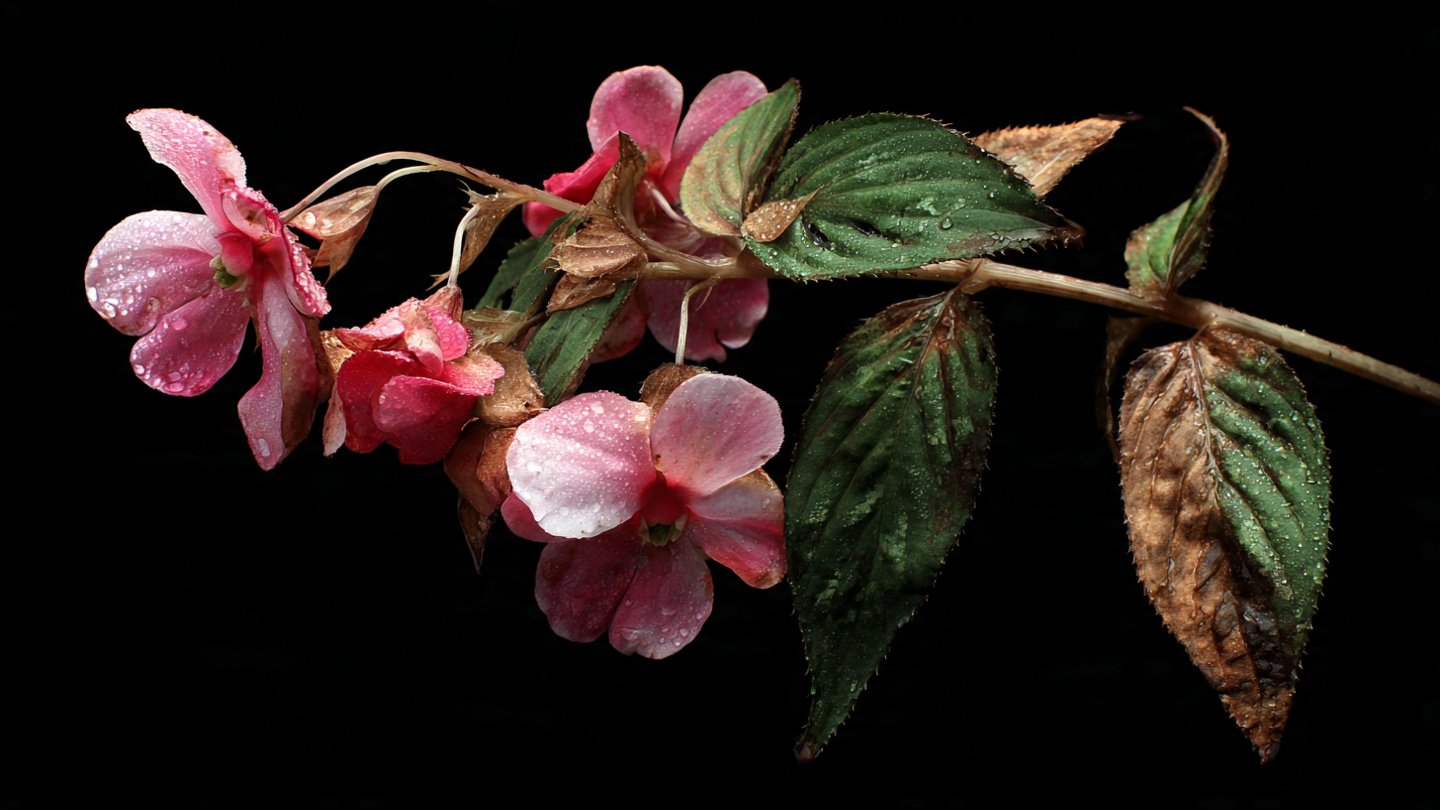
Impatiens are a popular choice for gardeners due to their vibrant colors and ability to thrive in shady areas. However, if you notice the leaves of your impatiens dropping overnight, it can be alarming. Understanding the causes of this phenomenon is key to identifying the problem and taking the necessary steps to remedy it.
Understanding Impatiens
Impatiens, often referred to as “busy Lizzies,” require specific care to flourish. They’re particularly favored for their bright blooms and ability to grow in low-light conditions. While these plants are generally hardy, they are susceptible to physical and environmental stressors that can cause leaf drop.
Latest Posts
- OnePlus 15T Smartphone Unveiled – Featuring 200MP Camera, Snapdragon 8 Elite Gen 5 and Massive Battery
- Lava Yuva 5G Unveiled – 120Hz Display and Strong Performance for Everyday Use
- Nokia 1100 Launched – Premium Keypad Phone Returns at Budget Price ₹2,500
- Motorola G96 5G Unveiled – Featuring Stylish Design, Strong Performance and Advanced Camera Tech
- Vivo Y21d Unveiled – Massive 6000mAh Battery for All-Day Everyday Use
- Nothing Phone 4 Ultra 5G Launched – 16GB RAM, AI-Powered 50MP Camera and Flagship Performance
- OnePlus 5G Smartphone Launched – 300MP AI Camera, 7000mAh Battery & 100W Fast Charging
- Nothing Phone 3a Pro – High processor smartphone for gaming lovers – battery is 5000mAH
- Realme 15 Pro – 3 days battery backup smartphone with 50MP front camera under ₹28,000
- Vivo X200 FE – 12GB RAM + 256GB Storage smartphone with HD quality camera
Common Causes of Leaf Drop in Impatiens
There are several reasons why your impatiens leaves might be dropping overnight. Below are the most common culprits:
1. Overwatering
One of the most prevalent reasons for leaf drop is overwatering. Impatiens prefer moist soil, but too much water can create a soggy environment, leading to root rot. Symptoms of overwatering can include:
- Wilting leaves despite wet soil
- Yellowing leaves
- Mushy roots
To address this, ensure your pots have good drainage and allow the topsoil to dry out slightly between waterings.
2. Underwatering
On the flip side, underwatering can also lead to leaf drop. Impatiens need consistent moisture, and drought conditions can stress the plant. Signs that your plant is underwatered include:
- Crispy, brown leaf edges
- Leaves curling up
- Wilting leaves that do not recover overnight
Make sure to keep the soil evenly moist, especially during hot weather.
3. Temperature Shock
Another factor that can affect the health of your impatiens is temperature fluctuations. Impatiens prefer temperatures between 60°F and 75°F (15°C to 24°C). If exposed to drastic temperature changes, leaves may drop rapidly. Symptoms of temperature shock include:
- Sudden leaf drop
- Discoloration of leaves
Keep your plants in a stable environment and avoid placing them near drafts or heating vents.
4. Pests
Insects such as aphids, spider mites, and whiteflies can also cause your impatiens to lose their leaves. They suck the sap from the leaves and can lead to discoloration and leaf drop. Look for signs of pests, including:
- Sticky residue on leaves
- Visible insects on or under leaves
- Discoloration spots or webs
If you suspect a pest problem, consider using insecticidal soap or neem oil to treat the infestation.
5. Diseases
Impatiens are vulnerable to various diseases, some of which can cause leaf drop. Fungal infections such as downy mildew and root rot can result in sudden leaf loss. Symptoms to check for include:
- Discolored, wilting leaves
- Black or brown spots on leaves
- Mushy stems or roots
To prevent fungal diseases, ensure good air circulation around your plants and avoid overhead watering.
6. Nutrient Deficiencies
Impatiens require balanced nutrition to thrive. A deficiency in essential nutrients like nitrogen, phosphorus, or potassium can result in poor growth and leaf drop. Signs of nutrient deficiencies can include:
- Pale leaves ( nitrogen deficiency)
- Purple or black spots ( phosphorus deficiency)
- Stunted growth
Consider using a balanced fertilizer to provide the necessary nutrients, following the manufacturer’s guidelines for application.
Taking Action
If your impatiens have been losing leaves overnight, take the following steps to diagnose and rectify the issue:
Step 1: Assess Watering Practices
Check your watering habits first. Adjust your watering regimen according to the plant’s needs, ensuring the soil is kept uniformly moist and not soggy.
Step 2: Check Environment
Evaluate the environment where your impatiens are growing. Ensure they are not exposed to extreme temperatures or drafts while providing adequate light conditions without direct harsh sun.
Step 3: Inspect for Pests and Diseases
Regularly inspect your plants for signs of pests or diseases. Quarantining affected plants and using appropriate treatments can prevent further damage.
Step 4: Fertilize Appropriately
Use a balanced fertilizer if you suspect nutrient deficiencies, ensuring to follow usage instructions for best results.
Conclusion
Experiencing leaf drop in impatiens can be frustrating for any gardener. However, understanding the underlying causes—whether it’s overwatering, underwatering, temperature shock, pests, diseases, or nutrient deficiencies—can make all the difference. By taking action based on thorough observation and care, you can revitalize your impatiens and enjoy their full splendor once more.
FAQs
1. Why are my impatiens leaves turning yellow before dropping?
Yellowing leaves can signal overwatering, underwatering, or nutrient deficiencies. Evaluate your water habits and consider fertilizing if needed.
2. How often should I water my impatiens?
Water your impatiens when the top inch of soil feels dry. During hot spells, daily watering might be necessary, while cooler weather may require less frequent watering.
3. Can I save my impatiens if they are losing leaves?
Yes! By identifying the cause and taking corrective actions, most impatiens can recover well from leaf drop.
4. What pests should I look out for on my impatiens?
Aphids, spider mites, and whiteflies are common pests that target impatiens. Regular inspection can help you catch infestations before they escalate.
5. Is it safe to use chemical pesticides on impatiens?
While chemical pesticides can be effective, it’s advisable to use them as a last resort. Opt for natural methods like neem oil or insecticidal soap when possible.