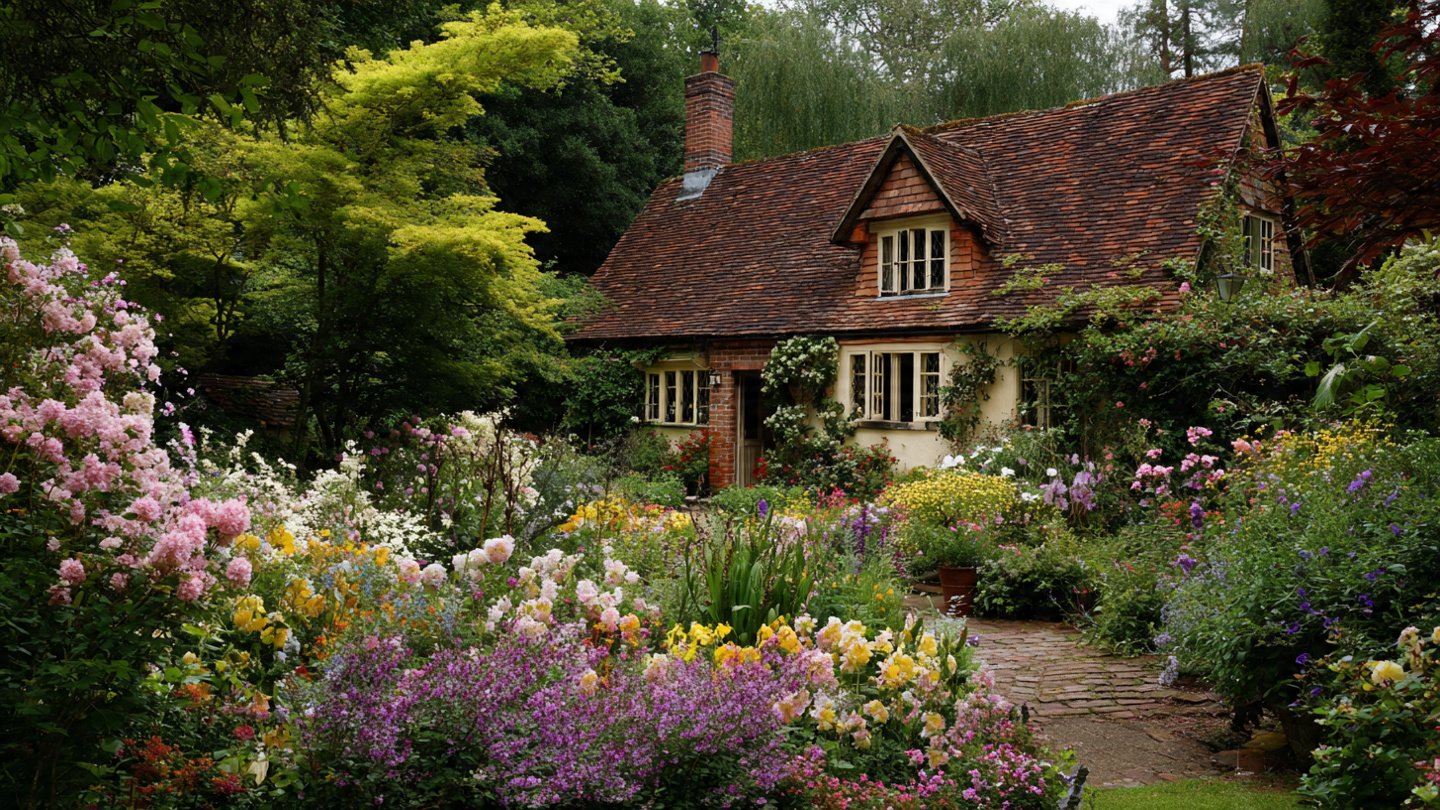
Introduction to Cottage Garden Charm
A traditional English cottage garden is characterized by its delightful chaos of flowers, herbs, and fruits, weaving a rich tapestry of colors and scents. These gardens are not just a feast for the eyes; they evoke a sense of nostalgia and charm, often accompanied by quaint pathways and rustic structures. The beauty of a cottage garden largely lies in its carefully selected flowers that can create an inviting and enchanting atmosphere. In this article, we will explore several classic flowers that bring charm to a traditional English cottage garden.
Essential Flowers for Traditional Cottage Gardens
Latest Posts
- OnePlus 15T Smartphone Unveiled – Featuring 200MP Camera, Snapdragon 8 Elite Gen 5 and Massive Battery
- Lava Yuva 5G Unveiled – 120Hz Display and Strong Performance for Everyday Use
- Nokia 1100 Launched – Premium Keypad Phone Returns at Budget Price ₹2,500
- Motorola G96 5G Unveiled – Featuring Stylish Design, Strong Performance and Advanced Camera Tech
- Vivo Y21d Unveiled – Massive 6000mAh Battery for All-Day Everyday Use
- Nothing Phone 4 Ultra 5G Launched – 16GB RAM, AI-Powered 50MP Camera and Flagship Performance
- OnePlus 5G Smartphone Launched – 300MP AI Camera, 7000mAh Battery & 100W Fast Charging
- Nothing Phone 3a Pro – High processor smartphone for gaming lovers – battery is 5000mAH
- Realme 15 Pro – 3 days battery backup smartphone with 50MP front camera under ₹28,000
- Vivo X200 FE – 12GB RAM + 256GB Storage smartphone with HD quality camera
1. Roses
Roses are quintessentially British, and their beauty speaks for itself. With a variety of colors, shapes, and fragrances, roses can be trained on trellises, used as shrubs, or planted in full bloom as a centerpiece. Varieties like Rosa ‘Gertrude Jekyll’ offer a strong fragrance and stunning blooms, making them a must-have.
2. Foxgloves
Towering elegantly, foxgloves (or Digitalis) provide height and drama to cottage gardens. They thrive in partial shade and bloom in hues ranging from white to deep purple. The unique tubular flowers attract bees and other pollinators, enhancing the garden’s vitality.
3. Delphiniums
Delphiniums are another spectacular choice for adding vertical lines and color. They flourish in various shades of blue, purple, and white. These blooms, rising up to six feet tall, contribute a stately elegance to the garden, often planted at the back of borders.
4. Lavender
This fragrant herb is not just beautiful; it also attracts beneficial insects. Lavender (or Lavandula) can create a calming atmosphere and is often used for its essential oils. Its simple purple flowers and wiry stalks add texture and are perfect for edging pathways.
5. Pansies and Violas
Adding a splash of color during spring and fall, pansies and violas are small, hardy flowers that can endure cooler temperatures. Their vibrant colors and whimsical markings are perfect for cheerful borders or even containers that can be moved around for variety.
6. Peonies
Known for their lush blooms and intoxicating scent, peonies (or Paeonia) are symbols of romance and prosperity. Available in various colors including pink, white, and deep red, they can create a delightful focal point in any cottage garden.
7. Sweet Peas
Sweet peas (or Lathyrus odoratus) are known for their delightful scent and come in a variety of colors. They can be grown as climbers, adding fragrance and color to trellises or fences. Their cheerful blooms are a joy to snip for flower arrangements.
8. Heliotrope
With clusters of small, fragrant flowers, heliotropes (or Heliotropium) are perfect for attracting butterflies. Their deep purple flowers can complement the pastel colors typical of a cottage garden.
9. Salvia
This hardy perennial is available in many varieties, providing vibrant colors and attracting pollinators. Salvia blooms from late spring to autumn, making them a garden staple. Their resilience to drought conditions allows them to thrive in various climates.
10. Chrysanthemums
Commonly known as “mums,” chrysanthemums bring a burst of color to the garden as the season changes. They bloom in the fall and are available in a wide array of colors, adding longevity to the garden’s floral display.
Planting and Care Tips for a Cottage Garden
A traditional cottage garden thrives on a somewhat relaxed planting regime, focusing less on uniformity and more on companionship among plants. Here are some tips for planting and maintaining your cottage garden flowers:
- Companion Planting: Mix flowers with herbs and vegetables to create biodiversity.
- Seasonal Blooms: Choose a selection of flowers that bloom at different times throughout the year.
- Regular Watering: Ensure the garden is well-watered, especially in the early stages of plant growth.
- Mulching: Apply mulch to retain moisture and suppress weeds.
- Deadheading: Remove spent flowers to encourage new blooms and maintain plant health.
Conclusion
Cultivating a traditional English cottage garden is about not only adorning your space with beautiful blooms but also creating an inviting habitat for wildlife and fostering a connection to nature. The flowers discussed in this article encompass a range of colors, scents, and heights, allowing for a tailored design that reflects personal taste. The charm of a cottage garden lies in its inviting and whimsical character, with each flower playing a significant role in creating a harmonious landscape. As you plan your garden, consider these floral delights, and watch as they weave together to form a sanctuary of beauty that pays homage to England’s rich gardening heritage.
FAQs
1. What is the best time to plant flowers in a cottage garden?
The best time to plant flowers in a cottage garden is during the spring or early fall when the soil is warm, and there’s adequate moisture. This timing helps flowers establish themselves before winter.
2. How do I choose flowers that will thrive in my garden?
Consider your garden’s climate, soil type, and sunlight exposure when selecting flowers. Researching each plant’s requirements can help ensure they thrive in your specific environment.
3. Can I mix perennials and annuals in a cottage garden?
Absolutely! Mixing perennials and annuals can create a dynamic display of blooms throughout the growing season. Perennials provide long-lasting presence, while annuals can fill in gaps and add seasonal color.
4. What are some good ground cover options for a cottage garden?
Good ground cover options include creeping thyme, sedum, and ajuga. These plants can help suppress weeds while adding color and texture to the garden floor.
5. How can I attract bees and butterflies to my cottage garden?
Plant flowers that are rich in nectar and pollen, such as lavender, sweet peas, and foxgloves. Additionally, avoid using pesticides, which can harm beneficial insects.