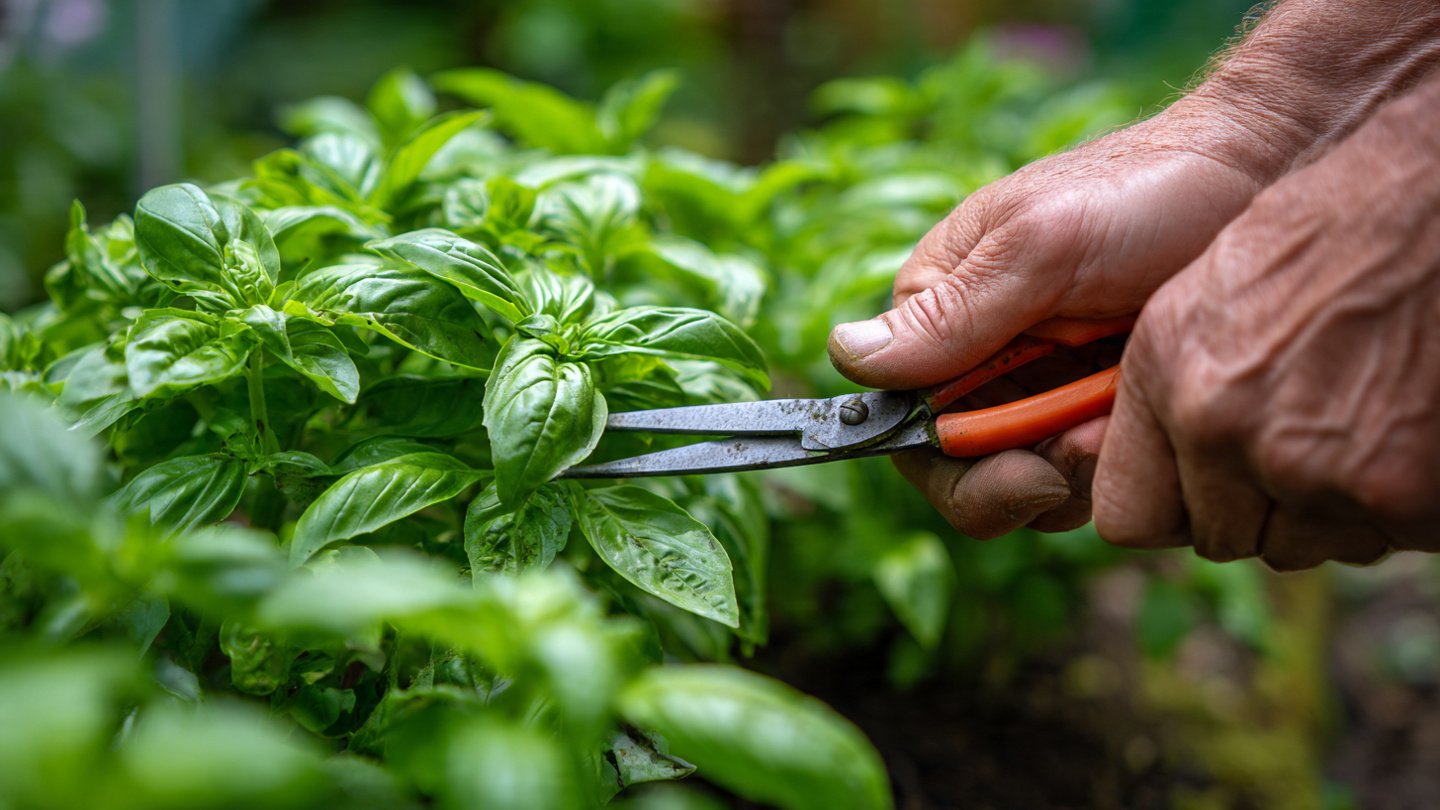
Basil (Ocimum basilicum) is one of the most popular culinary herbs, known for its aromatic leaves and versatile uses in a variety of cuisines. Growing basil at home can be incredibly rewarding, not just for the fresh flavors it brings to your dishes, but also for the satisfaction of cultivating your own plants. One of the most effective techniques to enhance your basil harvest is through proper pruning. This article will explore how pruning can significantly increase your yield, the best methods for doing so, and some tips for maximizing your basil’s potential.
Understanding Basil Growth
Before diving into the specifics of pruning, it’s important to understand how basil grows. Basil is a fast-growing herb that thrives in warm weather. It typically grows upright, producing a central stem with leaves that branch out. The growth of basil is influenced by its environment, including light, water, and nutrients. However, given the right conditions, basil can flourish and become bushy and full, which is crucial for obtaining a substantial harvest.
The Benefits of Pruning
- Encourages Bushier Growth: When you prune basil, you’re effectively encouraging the plant to become bushier. This is because when you trim the top of the plant, it stimulates the growth of lateral branches. Instead of having a tall, spindly plant, you’ll promote a fuller, more robust growth pattern.
- Prevents Flowering: Basil is a flowering plant, and once it starts to flower, the focus of its energy shifts from leaf production to flowering and seed production. This can lead to a decline in leaf quality and quantity. Pruning the flower buds before they mature can help sustain leaf growth, allowing for a continual harvest.
- Enhances Air Circulation: Proper pruning removes excess foliage that can hinder airflow within the plant. Improved air circulation helps to prevent diseases, allowing the basil to thrive without competing for light and water.
- Stimulates Healthy Growth: Pruning can mitigate stress on the plant by removing tired or damaged leaves. This encourages the basil to redirect its energy into producing new, healthy growth.
- Maximizes Harvest Efficiency: Regularly harvesting and pruning basil can lead to a cycle where the plant produces more leaves. This ensures that you can enjoy fresh basil for a longer season.
How to Prune Basil Properly
Timing
The best time to prune basil is when the plant is actively growing, typically during the warm months. It is advised to prune every couple of weeks to keep the plant producing new growth.
Tools You’ll Need
- Sharp Shears or Scissors: Ensure that your cutting tools are clean and sharp to prevent damaging the plant.
- Gloves (Optional): While not absolutely necessary, gloves can protect your hands from the sap of the plant.
Step-by-Step Pruning Guide
- Identify the Right Spot to Prune: Look for leaves that are growing in pairs and find the point just above where two leaves join the stem. This is where you’ll want to make your cuts.
- Make Clean Cuts: With your shears, make a clean cut just above the pair of leaves. This encourages new growth to spring from the cut. Avoid tearing the stem, as it can lead to disease.
- Remove Flower Buds: If you notice any flower buds forming, pinch them off immediately. This will help to divert energy back into producing leaves.
- Regular Maintenance: Establish a routine for checking your basil every week or two, removing any flower buds and harvesting leaves as needed.
- Be Mindful of Season: Towards the end of the growing season, especially if you live in a cooler climate, reduce the amount you prune. This will allow the plant to focus on preparing for dormancy.
Pruning Strategies for Maximum Yield
Topping
Topping involves cutting the main stem of the basil to encourage side branching. This is a crucial step in achieving a bushy plant. When the top is removed, two or more new stems will grow from the axillary buds, creating a fuller plant.
Tip Pruning
Periodically trim the tips of the branches. This method not only results in bushier growth but also allows for more leaves to be harvested. Every time you trim, new leaves will emerge from the cut.
Latest Posts
- OnePlus 15T Smartphone Unveiled – Featuring 200MP Camera, Snapdragon 8 Elite Gen 5 and Massive Battery
- Lava Yuva 5G Unveiled – 120Hz Display and Strong Performance for Everyday Use
- Nokia 1100 Launched – Premium Keypad Phone Returns at Budget Price ₹2,500
- Motorola G96 5G Unveiled – Featuring Stylish Design, Strong Performance and Advanced Camera Tech
- Vivo Y21d Unveiled – Massive 6000mAh Battery for All-Day Everyday Use
- Nothing Phone 4 Ultra 5G Launched – 16GB RAM, AI-Powered 50MP Camera and Flagship Performance
- OnePlus 5G Smartphone Launched – 300MP AI Camera, 7000mAh Battery & 100W Fast Charging
- Nothing Phone 3a Pro – High processor smartphone for gaming lovers – battery is 5000mAH
- Realme 15 Pro – 3 days battery backup smartphone with 50MP front camera under ₹28,000
- Vivo X200 FE – 12GB RAM + 256GB Storage smartphone with HD quality camera
Harvesting Regularly
Incorporate your pruning routine into your harvesting schedule. Instead of waiting for the plant to reach a certain size, regularly take leaves for cooking. Frequent harvesting encourages the plant to produce more leaves, creating a cycle of growth.
Avoid Over-Pruning
While pruning is beneficial, over-pruning can stress the plant. Be cautious about removing more than a third of the plant at once. This could cause the basil to enter shock and stunt its growth.
Additional Tips for Maximizing Your Basil Harvest
Optimal Growing Conditions
Ensure that your basil is grown in optimal conditions to support healthy growth. Basil requires full sun exposure (at least 6-8 hours per day), well-draining soil, and consistent moisture without waterlogging.
Fertilizing
Feeding your basil with a balanced fertilizer can promote growth. Look for a fertilizer high in nitrogen to encourage leafy growth. However, avoid over-fertilizing, as too much nitrogen can lead to leggy plants.
Pests and Diseases
Regularly inspect your basil for pests like aphids or whiteflies. Catching these infestations early on can prevent damage and stress to the plant. Additionally, ensure proper spacing between plants for good air circulation to minimize disease.
Growing Techniques
Consider companion planting or using containers for your basil. Companions like tomatoes can help enhance flavor and repel pests. Container gardening allows you to control the environment, making it easier to care for your basil.
Common Mistakes to Avoid
- Neglecting Regular Pruning: Skipping pruning might lead to spindly, less productive plants. Regular maintenance is key.
- Letting Flowers Bloom: Allowing your basil to flower can drastically reduce leaf production.
- Poor Growing Conditions: Failing to provide enough light, nutrients, or water can make it harder for your basil to thrive.
Conclusion
Pruning basil is a simple yet profound technique that can potentially triple your harvest. By understanding how to effectively prune, you can encourage bushier growth, delay flowering, and create a healthier plant. The art of pruning requires a mindful approach, balancing between encouraging growth and maintaining the plant’s health. Regular pruning, coupled with optimal growing conditions, will lead to plentiful, aromatic basil leaves ready for your culinary creations. Remember, a well-pruned basil plant is not only more productive but will also provide you with delight and satisfaction as you enjoy the fruits of your labor. Start it today, and savor the rewards tomorrow!