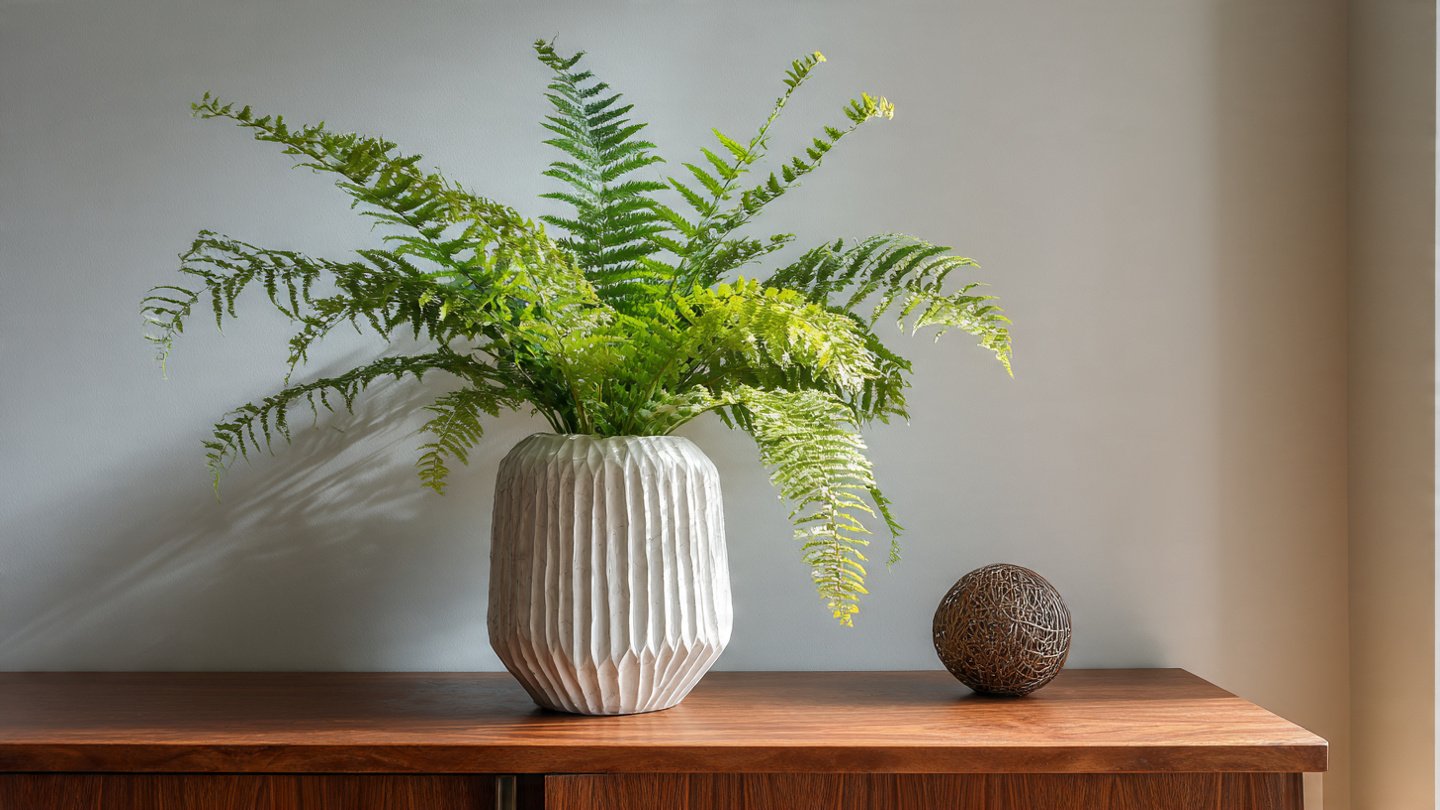
Mid-century modern design is characterized by its clean lines, organic shapes, and connection to nature, making it an ideal aesthetic for incorporating plants into your home décor. One of the standout pieces that can grace a mid-century space is a large fern displayed in a stylish planter. Elevating this combination not only enhances the visual appeal but also creates a stunning focal point in any room.
Choosing the Right Planter
The first step in elevating a mid-century planter is selecting the appropriate one. Mid-century modern planters are often made from materials like ceramic, metal, or wood, and they feature clean lines and minimalistic designs.
- Material: Look for planters made of textured ceramic or metal finishes that resonate with mid-century aesthetics.
- Shape: Opt for geometric shapes or organic forms that complement the fern’s lush foliage.
- Color: Earthy tones, muted greens, and pastels are excellent for maintaining a cohesive look.
Selecting the Right Fern
The type of fern you choose will significantly impact the overall aesthetic. Various ferns offer different textures, colors, and growth patterns that can enhance your mid-century décor.
- Boston Fern: With its feathery fronds and lush texture, the Boston fern adds a sense of vibrancy to any space.
- Maidenhair Fern: This delicate fern features lighter foliage, which creates an ethereal look perfect for a soft ambiance.
- Asparagus Fern: Technically not a true fern, its unique needle-like leaves offer a different texture that pairs well with mid-century planters.
Creating Height and Visual Interest
To elevate your mid-century planter and fern combination effectively, consider incorporating height and varying levels into your display.
- Plant Stands: Using plant stands in contrasting heights can enhance the overall composition. Choose stands made from materials like wood or metal that resonate with mid-century sensibilities.
- Layering: Layer smaller plants or decorative objects at the base of the fern to create a multi-dimensional look. This layering effect draws the eye and makes the arrangement much more visually appealing.
- Hanging Planters: Consider using hanging planters to create a cascading effect with ferns. This concept not only introduces vertical interest but also frees up surface space.
Styling Your Space
Once you have selected your planter and fern, integrate them into your living space in harmony.
Latest Posts
- OnePlus 15T Smartphone Unveiled – Featuring 200MP Camera, Snapdragon 8 Elite Gen 5 and Massive Battery
- Lava Yuva 5G Unveiled – 120Hz Display and Strong Performance for Everyday Use
- Nokia 1100 Launched – Premium Keypad Phone Returns at Budget Price ₹2,500
- Motorola G96 5G Unveiled – Featuring Stylish Design, Strong Performance and Advanced Camera Tech
- Vivo Y21d Unveiled – Massive 6000mAh Battery for All-Day Everyday Use
- Nothing Phone 4 Ultra 5G Launched – 16GB RAM, AI-Powered 50MP Camera and Flagship Performance
- OnePlus 5G Smartphone Launched – 300MP AI Camera, 7000mAh Battery & 100W Fast Charging
- Nothing Phone 3a Pro – High processor smartphone for gaming lovers – battery is 5000mAH
- Realme 15 Pro – 3 days battery backup smartphone with 50MP front camera under ₹28,000
- Vivo X200 FE – 12GB RAM + 256GB Storage smartphone with HD quality camera
- Grouping: Arrange the planter with other decorative items, such as sculptures or books, to create a curated look. Group similar shapes or colors together to maintain harmony.
- Natural Light: Place your fern in an area that receives partial sunlight. Mid-century spaces often emphasize natural light, so find a spot by a window or on a side table where it can thrive.
- Texture Mixing: Combine various textures to create depth. A smooth wooden table paired with a textured ceramic planter creates an interesting contrast that elevates the overall design.
Maintenance for Longevity
To keep your fern flourishing and looking its best, focus on proper maintenance. This includes watering, light conditions, and occasional repotting.
- Watering: Ensure your fern is watered adequately but not overwatered. The soil should be moist but well-drained. Regularly check the moisture level with your fingers.
- Humidity: Ferns love humidity. If you live in a dry climate, consider misting your fern regularly or placing it on a pebble tray filled with water.
- Repotting: Every couple of years, repot your fern with fresh soil to give it new nutrients and space to grow. This is also an opportunity to switch to a more stylish planter if desired.
Conclusion
Elevating a mid-century planter with a large fern can drastically enhance the aesthetic of your living space. By choosing the right planter and fern, incorporating height and visual interest, and paying attention to maintenance, you can create a stunning focal point that reflects the elegance of mid-century design while celebrating nature’s beauty. Remember, the key to a successful display lies in balancing the elements with your existing décor, ensuring that your space feels cohesive, stylish, and inviting.
FAQs
1. How often should I water my fern?
Water your fern when the top inch of the soil feels dry. Depending on the humidity and temperature in your home, this could range from once a week to every few weeks.
2. What type of light is best for my fern?
Most ferns thrive in indirect sunlight, so place them in a spot that gets filtered light. Direct sunlight can scorch their leaves.
3. Can I keep my fern outside?
If you live in a mild climate, many ferns can thrive outdoors in shaded areas. However, ensure they are protected from harsh sunlight and freezing temperatures.
4. What is the best fertilizer for ferns?
Using a balanced, diluted liquid fertilizer every month during the growing season can promote healthy growth. Avoid over-fertilizing as it can cause root burn.
5. How do I know if my fern is unhealthy?
Symptoms such as brown tips, wilting fronds, or yellowing leaves may indicate that your fern is not getting the right care. Check water and light conditions to diagnose the issue.