Using compost tea in gardening has surged in popularity among enthusiasts and professional growers alike, and for good reason. This nutrient-rich solution is a powerful ally in promoting healthy plant growth, improving soil quality, and enhancing garden resilience. Compost tea breeders have honed their craft to produce high-quality teas that can significantly benefit your garden. Understanding how compost tea works and how to utilize it effectively can transform your gardening experience, leading to lush, thriving plants.
At its core, compost tea is a liquid produced by steeping compost in water. The process allows beneficial microorganisms, nutrients, and organic matter from the compost to leach into the water, creating a nutritious solution. This solution is then used as a soil drench or foliar spray, delivering a concentrated dose of essential nutrients directly to plants and soil.
Compost tea differs from traditional fertilizers. While fertilizers provide specific nutrients (like nitrogen, phosphorus, and potassium), compost tea delivers a wider spectrum of nutrients as well as beneficial microorganisms. This diverse microbial community establishes a robust ecosystem in the soil, encouraging beneficial interactions among plants, soil, and microorganisms.
Compost tea can enhance your garden in several significant ways. The first and perhaps most important benefit is its ability to improve soil health. Healthy soil is alive with microorganisms that play a vital role in breaking down organic matter, cycling nutrients, and promoting plant health. By introducing a robust microbial population through compost tea, gardeners can enhance soil structure, improve aeration, and increase water retention. This, in turn, leads to healthier and more resilient plants that can withstand stressors such as drought, pests, and diseases.
Moreover, compost tea acts as a natural fertilizer. The diverse nutrients found in compost tea provide plants with the building blocks they need for vigorous growth. Key macronutrients like nitrogen play a critical role in foliage development, while phosphorus supports root growth and flower/bud formation. Meanwhile, micronutrients such as iron, zinc, and copper are essential for various plant processes, and their presence in compost tea helps to promote overall plant health.
The biology of compost tea is fascinating. When compost is steeped in water, beneficial microbes such as bacteria, fungi, and protozoa multiply rapidly. These microbes are instrumental in breaking down organic matter and making nutrients available to plants. When applied to the soil or foliage, these microorganisms help in the decomposition process, further enriching the soil. For example, mycorrhizal fungi present in compost tea can enhance nutrient uptake by forming symbiotic relationships with plant roots, making it easier for plants to absorb water and nutrients.
In addition to enhancing soil health and providing nutrients, compost tea can also suppress diseases. Many pathogenic fungi and bacteria compete with beneficial microorganisms for resources. By introducing a diverse array of beneficial microbes with compost tea, you can create a microbial environment that is less hospitable to pathogens. This naturally occurring competition helps protect plants from diseases such as root rot, powdery mildew, and leaf spot.
The benefits of compost tea extend beyond soil and plant health; it can also attract beneficial insects. A diverse garden ecosystem thrives when good insects, like pollinators and predatory insects, are present. When plants are healthy and flourishing due to the effects of compost tea, they produce more flowers and foliage, which in turn attracts pollinators. This symbiotic relationship maximizes the opportunity for cross-pollination and increased yields.
Breeders dedicated to creating high-quality compost tea understand the importance of sourcing the right ingredients. The compost used should be well-aged, stable, and rich in organic matter. Ingredients such as kitchen scraps, yard waste, and other organic materials can be composted, but the key is to ensure that they are balanced and diverse. Good compost should contain a mix of carbon-rich (brown) and nitrogen-rich (green) materials, creating a nutrient-dense base for the tea.
When brewing compost tea, the process can vary based on personal preference and the desired outcomes. Aerated compost tea (ACT) is particularly popular; it involves using an aquarium pump to aerate the compost and water mixture. This aeration encourages the growth of beneficial aerobic bacteria and fungi while preventing the growth of harmful anaerobic pathogens. On the other hand, non-aerated compost tea has its merits as well; it may favor anaerobic bacteria, which can be beneficial in certain contexts, particularly when applied to soil.
Monitoring the brewing process is crucial for successful compost tea production. Generally, it’s recommended to steep the compost for 24 to 48 hours, depending on the method and desired strength. After brewing, the tea should be used soon after to retain its microbial vitality. This is important because the beneficial microorganisms in compost tea can die off if not used promptly, reducing the tea’s effectiveness.
Applying compost tea to your garden is straightforward. As a soil drench, it can be introduced directly to the soil around the roots, promoting microbial activity and nutrient uptake. This method is ideal for new plantings or established gardens. For foliar application, the tea is diluted with water and sprayed onto the leaves, allowing the plants to absorb nutrients and beneficial microbes through their foliage. Foliar feeding can provide quick nutrient access and boost plants’ resilience against pests and diseases.
Effective application timing also plays a role in the success of compost tea. Applying the tea during the early morning or late afternoon ensures cooler temperatures, reducing the potential for evaporation and allowing plants to absorb nutrients more effectively. Additionally, applying compost tea before a rain event can help wash nutrients into the soil.
One of the remarkable aspects of compost tea is its versatility. It can be used in vegetable gardens, flower beds, and even on trees and shrubs. Different plants may benefit from different application rates and frequencies, so it’s wise to observe your garden’s responsiveness and adjust accordingly. It’s also prudent to conduct small trials before committing to larger applications. This trial-and-error approach helps tailor compost tea use to specific plants and garden conditions, maximizing its impact.
One concern many gardeners have about using compost tea is the potential for contamination. When brewing large batches or using compost from unknown sources, there may be risks associated with pathogens or harmful organisms. To mitigate these risks, using high-quality, well-aged compost is crucial. Employing good brewing practices, such as maintaining aeration and monitoring brewing time, can significantly reduce the chances of creating a detrimental solution.
For gardeners seeking to incorporate compost tea into their practices, it’s important to educate themselves on various approaches. There are numerous online resources, books, and local workshops dedicated to composting, effective brewing techniques, and application strategies. Connecting with fellow gardeners and sharing experiences can also enhance your understanding and effectiveness in using compost tea.
Embracing compost tea and its benefits positions gardeners to foster healthier ecosystems. This practice aligns with sustainable gardening principles, emphasizing the importance of nurturing the soil and its inhabitants. By integrating compost tea into your gardening routine, you essentially create a symbiotic relationship between your plants and the soil, leading to greater resilience against pests and diseases, better nutrient utilization, and more robust growth.
As you embark on this journey with compost tea, consider documenting your results. Keeping a journal that tracks application dates, methods, and plant responses will offer valuable insights and help refine your approach over time. Additionally, engaging in local gardening communities can provide opportunities for sharing findings, troubleshooting challenges, and celebrating successes.
In conclusion, compost tea is a multifaceted tool for enhancing garden growth that plays a crucial role in fostering healthy plants and enriching soil biology. By understanding its benefits, production methods, and application techniques, gardeners can harness the power of compost tea to create thriving gardens. Whether you are a seasoned gardener or just starting out, integrating compost tea into your practices can lead to bountiful harvests, vibrant blooms, and a deepened appreciation for the natural world around you. The rich, diverse microbial life brought forth by compost tea not only nurtures plants but also supports the entire ecosystem, creating a sustainable and fruitful garden environment.
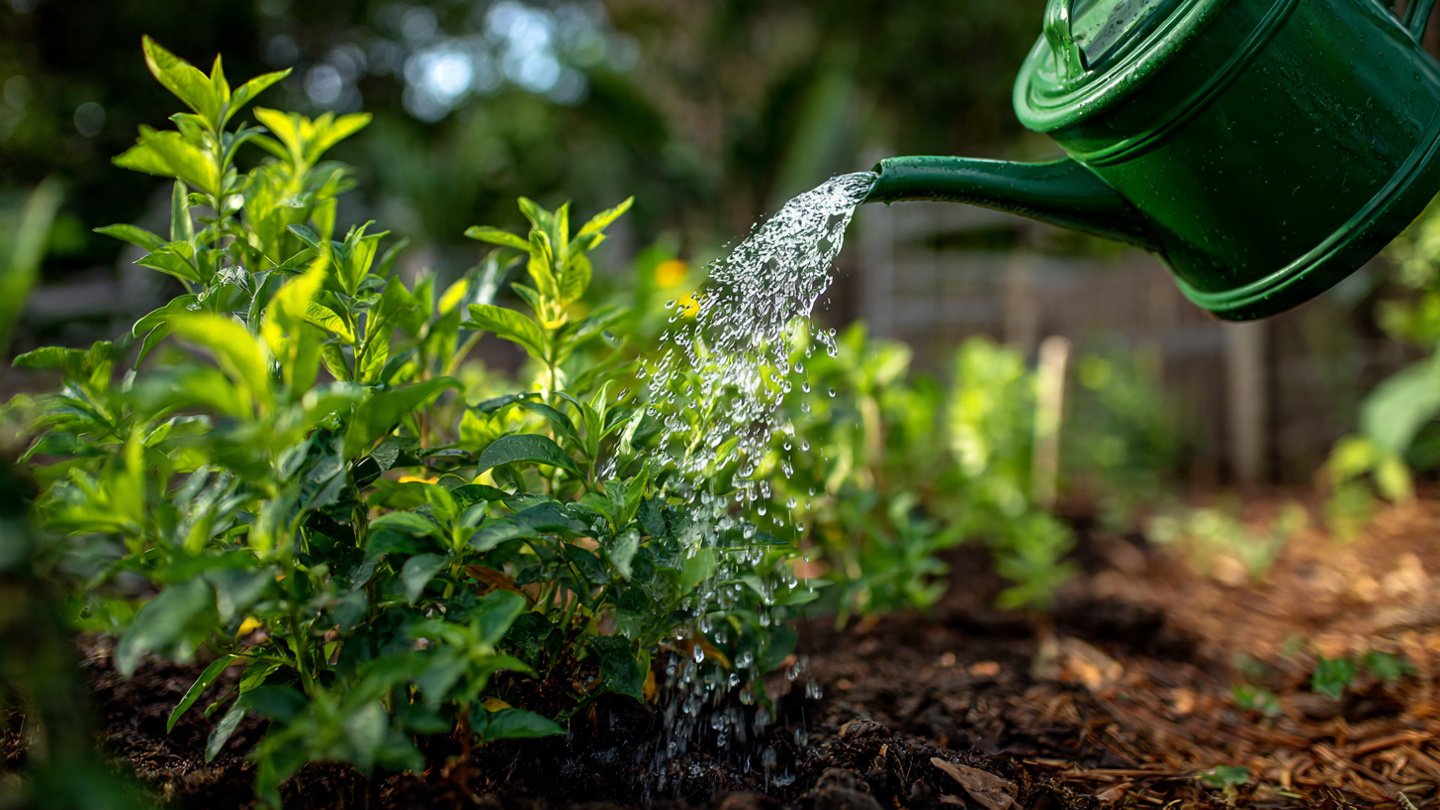
How to Use Compost Tea to Boost Garden Growth
OnePlus 15T Smartphone
Lava Yuva 5G Smartphone
Nokia 1100 Premium Keypad Phone
Motorola G96 5G Smartphone
Vivo Y21D Smartphone
Nothing Phone 4 Ultra 5G
OnePlus 5G Smartphone
Nothing Phone 3A Pro
Realme 15 Pro Smartphone
Vivo X200 FE Smartphone
Motorola 5G Smartphone
Nokia New Keypad Phone
Redmi Note 15 Pro 5G
Infinix Note 60 Pro Plus
Infinix Premium 5G 2026
Redmi Note Pro Series
RedMagic 11 Air Gaming Phone
OnePlus Ultra Premium 5G
OnePlus New 5G Smartphone
iQOO 5G Gaming Smartphone
OnePlus Premium 5G Smartphone
Vivo 2026 5G Smartphone
Oppo Reno 5G Smartphone
Oppo K13 Turbo 5G
Oppo Premium 5G Smartphone
Vivo T4R 5G Smartphone
Oppo New 5G Smartphone
Redmi Note 16 5G
Nokia Oxygen Ultra 5G
Samsung Galaxy A36 5G