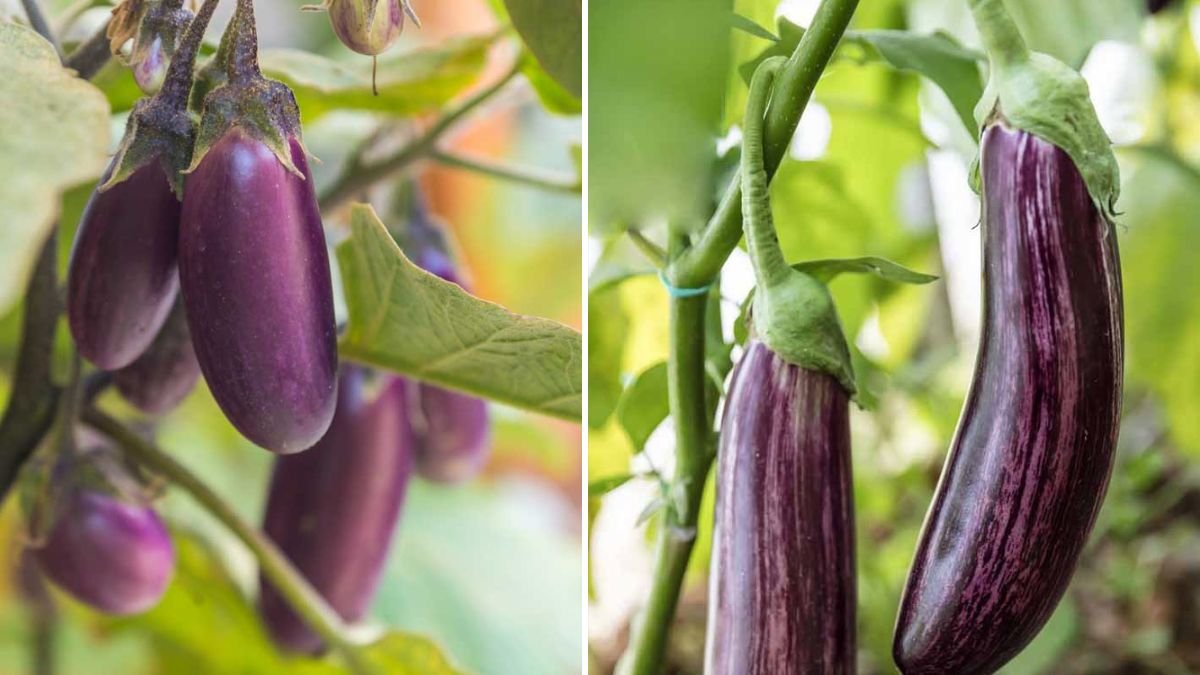
Eggplant, also known as aubergine or brinjal, is a versatile and rewarding vegetable to grow at home. With its glossy purple fruits and hearty plants, eggplant can thrive both in gardens and containers—provided you start with healthy seedlings. Proper seedling care is essential for strong growth, high yields, and disease resistance. This complete guide will take you step by step through the process of nurturing eggplant seedlings from seeds to ready-to-transplant plants.
1. Understanding Eggplant Growth Requirements
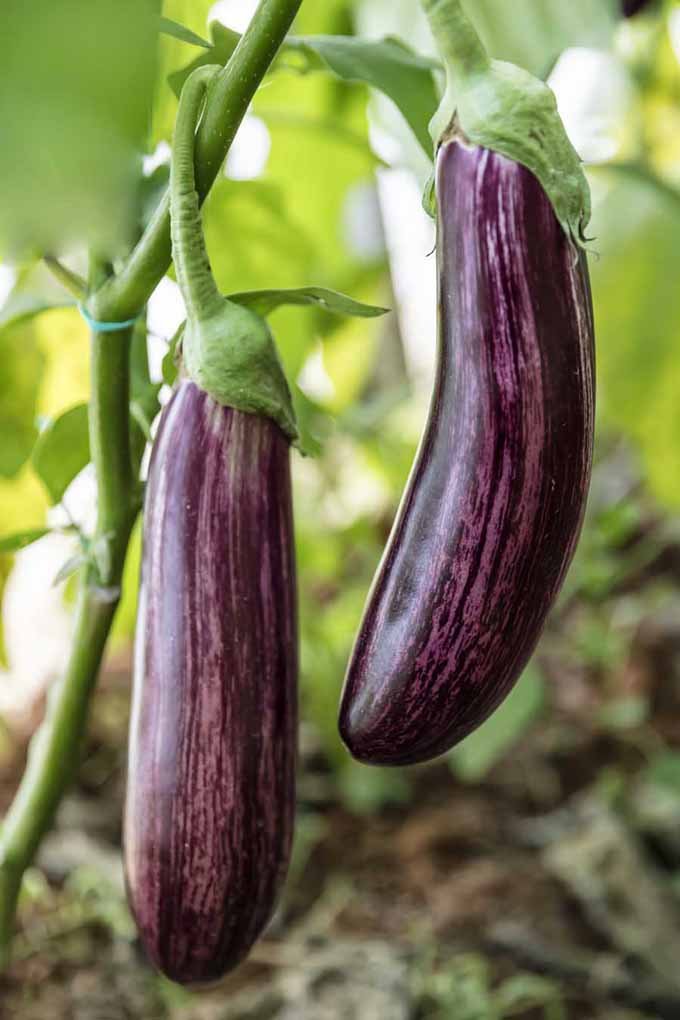
Before diving into seedling care, it’s important to understand the ideal conditions for eggplant growth:
- Temperature: Eggplant is a warm-season crop, preferring 21–30°C (70–86°F) for germination and growth. Cold soil or frost can stunt growth.
- Sunlight: Full sun exposure for 6–8 hours a day ensures strong, healthy plants.
- Soil: Well-draining, fertile soil with a pH of 5.8–6.5 is ideal.
- Water: Consistent moisture is key, but avoid waterlogging, which can lead to root rot.
Starting seedlings indoors or in a controlled environment gives plants a head start, especially in regions with short growing seasons.
2. Selecting the Right Eggplant Variety
Choosing the right variety is crucial for seedling success. Some popular options include:
- Black Beauty: Classic large-fruited variety.
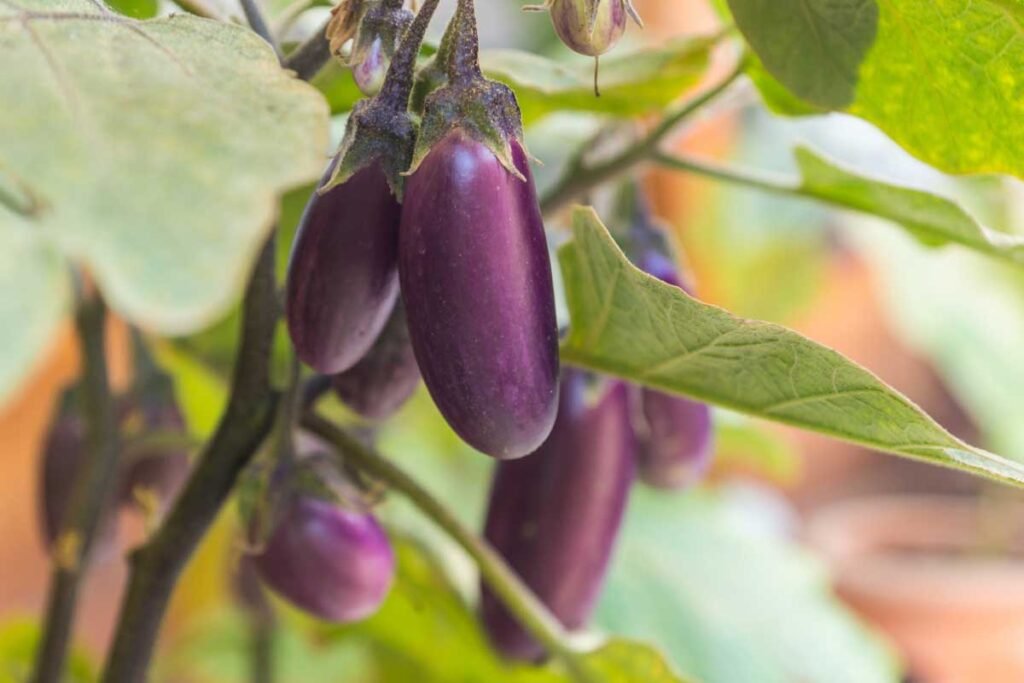
- Fairy Tale: Compact, small, striped fruit; ideal for containers.
- Rosa Bianca: Italian heirloom with round, lavender fruit.
For beginners, compact and fast-maturing varieties are easier to manage and less prone to transplant shock.
Latest Posts
- OnePlus 15T Smartphone Unveiled – Featuring 200MP Camera, Snapdragon 8 Elite Gen 5 and Massive Battery
- Lava Yuva 5G Unveiled – 120Hz Display and Strong Performance for Everyday Use
- Nokia 1100 Launched – Premium Keypad Phone Returns at Budget Price ₹2,500
- Motorola G96 5G Unveiled – Featuring Stylish Design, Strong Performance and Advanced Camera Tech
- Vivo Y21d Unveiled – Massive 6000mAh Battery for All-Day Everyday Use
- Nothing Phone 4 Ultra 5G Launched – 16GB RAM, AI-Powered 50MP Camera and Flagship Performance
- OnePlus 5G Smartphone Launched – 300MP AI Camera, 7000mAh Battery & 100W Fast Charging
- Nothing Phone 3a Pro – High processor smartphone for gaming lovers – battery is 5000mAH
- Realme 15 Pro – 3 days battery backup smartphone with 50MP front camera under ₹28,000
- Vivo X200 FE – 12GB RAM + 256GB Storage smartphone with HD quality camera
3. Seed Selection and Preparation
Healthy seedlings start with quality seeds:
- Seed Quality: Use fresh, high-germination seeds from reliable sources.
- Seed Soaking: Soak seeds in lukewarm water for 12–24 hours before sowing to soften the seed coat and encourage faster germination.
- Pre-Sprouting (Optional): Place seeds in a damp paper towel for 1–2 days until tiny roots appear for a quicker start.
4. Choosing Containers and Soil
Eggplant seedlings require containers that allow proper root development and drainage:
- Containers: Use seed trays, small pots, or biodegradable cups with drainage holes.
- Soil Mix: Use a light, nutrient-rich seed-starting mix:
- 50% coco peat or peat moss
- 30% compost
- 20% perlite or vermiculite
Avoid garden soil, which may contain pathogens that can harm delicate seedlings.
5. Sowing Eggplant Seeds
Proper sowing ensures uniform germination:
- Fill containers with the prepared soil mix.
- Plant seeds 0.5–1 cm deep.
- Space seeds at least 2–3 cm apart to prevent overcrowding.
- Water gently to moisten the soil without washing away seeds.
- Cover trays with a plastic dome or sheet to maintain humidity until germination.
Tip: Eggplant seeds typically germinate in 7–14 days under optimal warmth. Using a heat mat can improve germination rates in cooler climates.
6. Caring for Young Seedlings
Once seeds sprout, the focus shifts to nurturing healthy seedlings:
- Light: Place seedlings in a sunny window or under grow lights for 12–16 hours daily. Insufficient light causes leggy seedlings.
- Watering: Keep soil moist but not waterlogged. Water gently at the base to avoid damaging young roots.
- Temperature: Maintain 21–27°C (70–80°F) for vigorous growth.
- Thinning: Once seedlings develop two sets of true leaves, thin them to one per cell by snipping weaker seedlings at the base.
7. Fertilization for Seedlings
Young eggplant seedlings benefit from light feeding:
- Starter Fertilizer: Use a diluted liquid fertilizer with balanced nutrients (e.g., NPK 10-10-10) once seedlings have 2–3 true leaves.
- Organic Options: Compost tea or diluted fish emulsion provides gentle nourishment without the risk of over-fertilization.
Avoid overfeeding, which can burn young roots or produce weak, leggy growth.
8. Hardening Off Seedlings
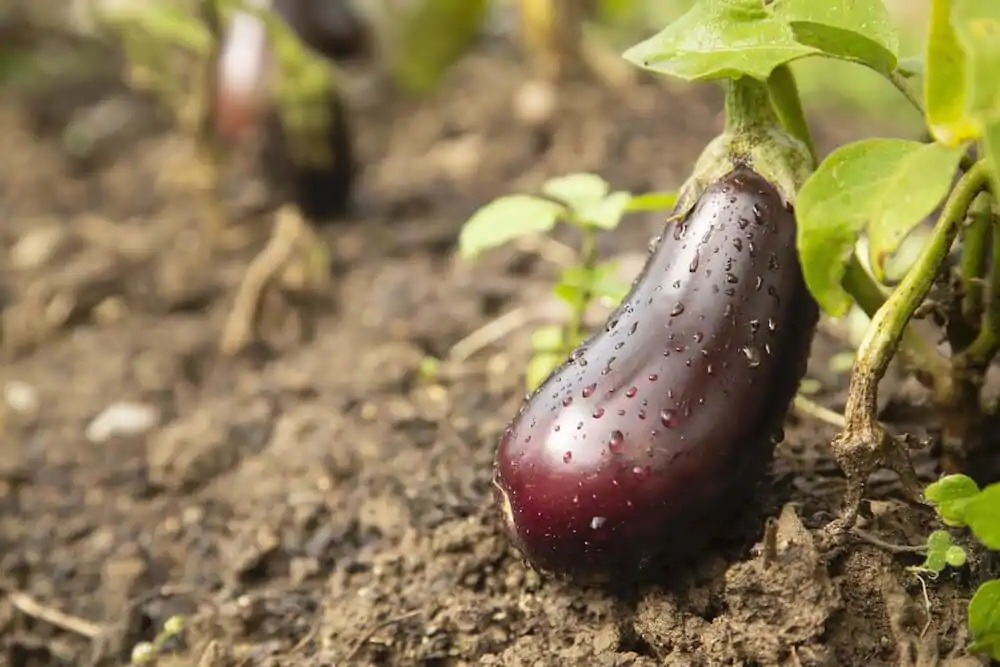
Before transplanting outdoors, seedlings need to acclimate to natural conditions:
- Begin by placing seedlings outside in partial shade for 1–2 hours per day.
- Gradually increase sunlight exposure and wind over 7–10 days.
- Reduce watering slightly to strengthen root development.
Hardening off prevents transplant shock and improves survival rates in the garden.
9. Transplanting Seedlings
Eggplant seedlings are ready for transplant when they have 4–6 true leaves and are 15–20 cm tall:
- Timing: Transplant outdoors after the last frost when soil temperatures are warm.
- Spacing: Plant seedlings 60–75 cm apart in rows, with 75–90 cm between rows for larger varieties.
- Preparation: Dig holes slightly larger than the root ball, mix in compost, and water thoroughly.
- Planting: Place seedlings at the same depth they were growing in pots, gently firm the soil, and water again.
10. Post-Transplant Care
After transplanting, continued care ensures strong growth:
- Watering: Provide 2.5–5 cm of water per week, adjusting for rainfall. Drip irrigation or soaker hoses work best.
- Fertilization: Apply a balanced fertilizer every 3–4 weeks to encourage flowering and fruiting.
- Mulching: Use straw or dried leaves to retain moisture, regulate soil temperature, and suppress weeds.
- Support: Larger varieties may need stakes to prevent bending under fruit weight.
11. Pest and Disease Management
Eggplant is prone to a few common pests and diseases:
- Aphids: Spray with neem oil or insecticidal soap.
- Flea Beetles: Use row covers or sticky traps to prevent leaf damage.
- Root Rot: Ensure proper drainage and avoid overwatering.
- Leaf Spots: Remove affected leaves and maintain airflow between plants.
Regular monitoring and early intervention are key to preventing major damage.
12. Tips for Maximizing Seedling Health
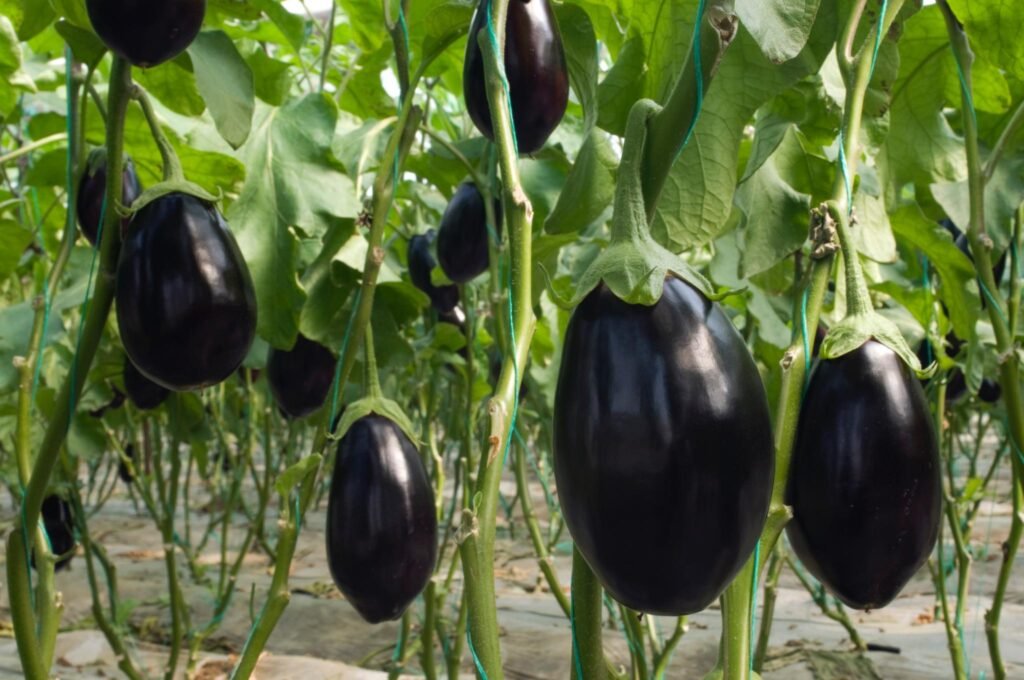
- Use quality seeds: Fresh seeds germinate faster and produce healthier seedlings.
- Maintain consistent moisture: Avoid fluctuations that stress young plants.
- Provide sufficient light: Leggy seedlings indicate inadequate light.
- Monitor temperature: Keep seedlings warm, especially during germination.
- Practice crop rotation: Prevent soil-borne diseases by rotating eggplant with unrelated crops.
13. Common Mistakes to Avoid
- Overcrowding: Planting too many seeds in one pot leads to competition and weak seedlings.
- Overwatering: Causes root rot and fungal diseases.
- Insufficient light: Results in thin, spindly seedlings.
- Transplanting too early: Can shock seedlings and stunt growth.
By avoiding these mistakes, you’ll set your seedlings up for strong, productive growth.
Conclusion
Proper eggplant seedling care is the foundation for a successful harvest. From selecting the right seeds and soil to providing adequate light, water, and nutrients, each step plays a critical role in producing strong, healthy plants. With patience, attention to detail, and consistent care, even beginners can raise vigorous eggplant seedlings that thrive when transplanted into the garden or containers.
Starting your eggplant journey with well-cared-for seedlings ensures higher yields, fewer pest problems, and a rewarding gardening experience. By following this complete guide, you’ll enjoy robust plants producing glossy, flavorful eggplants that are perfect for your favorite dishes.