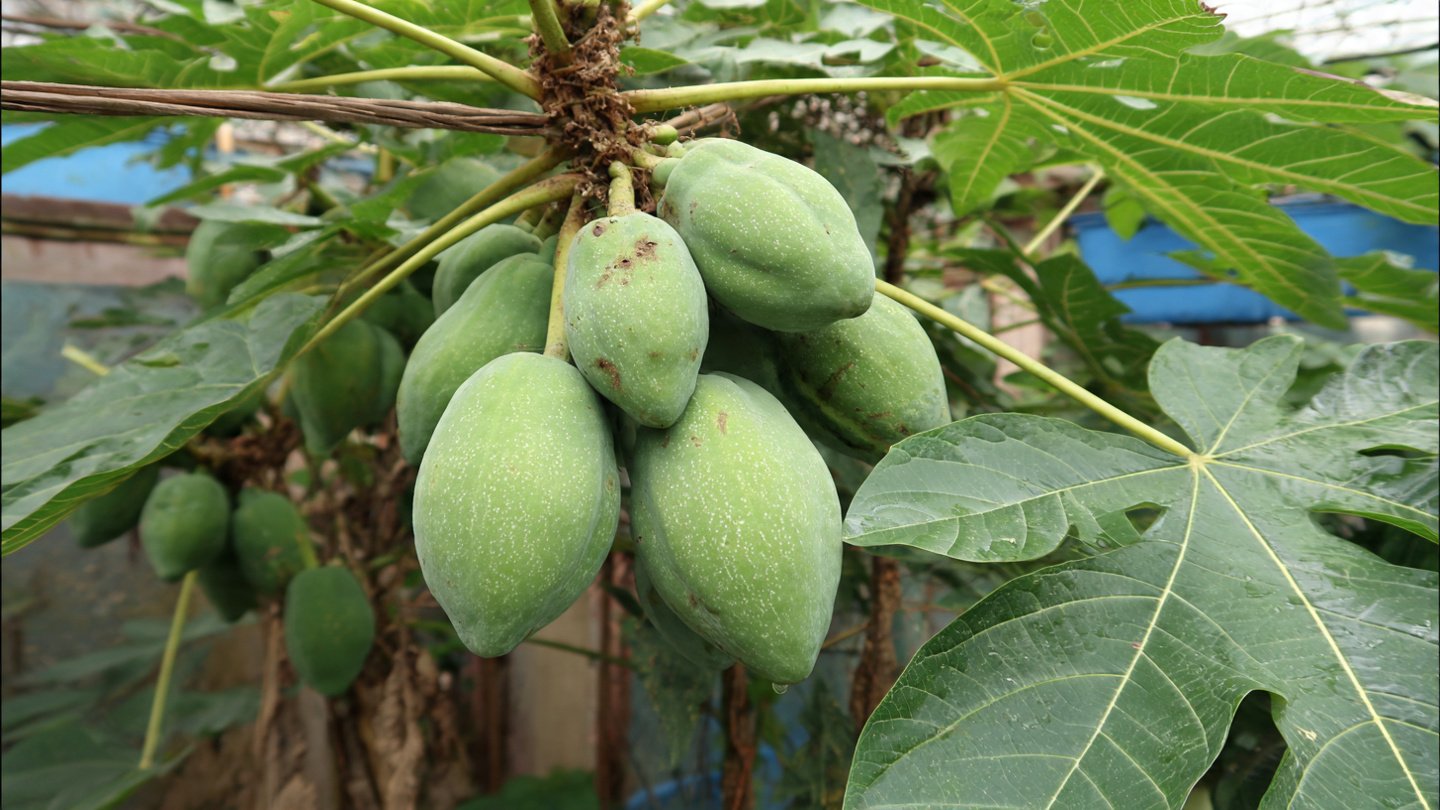
The pawpaw (Asimina triloba) is a unique and delicious fruit native to North America. Known for its custard-like texture and tropical flavor, pawpaws are often likened to bananas, mangoes, and melons. While traditionally grown in the ground, container gardening has become increasingly popular, allowing for greater flexibility in location, soil management, and even pest control. This guide will provide you with everything you need to know to successfully grow pawpaws in containers, ensuring an optimal yield.
Understanding Pawpaw
Characteristics of Pawpaw
Pawpaw trees can reach heights of 20 to 30 feet when fully grown, but they can be successfully cultivated in containers that limit their growth to a more manageable size. The trees produce drooping, banana-like leaves and striking purple flowers, and its fruit typically ripens in late summer to early fall.
Climate Requirements
Pawpaw trees thrive best in USDA Hardiness Zones 5 to 8. They require a temperate climate with a balance of sun and shade and are somewhat cold-hardy. When choosing a location for your container-grown pawpaw, ensure it receives morning sunlight while being shielded from harsh afternoon sun.
Container Selection
Choosing the Right Container
Selecting an appropriate container is crucial for the success of your pawpaw tree. Here are some factors to consider:
- Size: Start with a container that is at least 5 gallons in size, although larger containers (10 to 20 gallons) are preferable. A bigger pot allows for more root development, which can lead to increased fruit production.
- Material: Choose a material that provides good insulation, such as ceramic or heavy plastic. Avoid containers that dry out quickly, as pawpaws prefer consistently moist soil.
- Drainage: Make sure the container has adequate drainage holes to prevent waterlogging, which can lead to root rot.
Recommended Container Options
- Plastic Pots: Lightweight and often come with adequate drainage options.
- Ceramic Pots: Provide good insulation for the roots and are aesthetically pleasing; however, they can be heavy.
- Fabric Pots: Great for aeration and root pruning, allowing for healthier root development.
Soil Requirements
Best Soil Mix
Pawpaws prefer well-draining, fertile soil enriched with organic matter. A suitable potting mix should consist of:
Latest Posts
- OnePlus 15T Smartphone Unveiled – Featuring 200MP Camera, Snapdragon 8 Elite Gen 5 and Massive Battery
- Lava Yuva 5G Unveiled – 120Hz Display and Strong Performance for Everyday Use
- Nokia 1100 Launched – Premium Keypad Phone Returns at Budget Price ₹2,500
- Motorola G96 5G Unveiled – Featuring Stylish Design, Strong Performance and Advanced Camera Tech
- Vivo Y21d Unveiled – Massive 6000mAh Battery for All-Day Everyday Use
- Nothing Phone 4 Ultra 5G Launched – 16GB RAM, AI-Powered 50MP Camera and Flagship Performance
- OnePlus 5G Smartphone Launched – 300MP AI Camera, 7000mAh Battery & 100W Fast Charging
- Nothing Phone 3a Pro – High processor smartphone for gaming lovers – battery is 5000mAH
- Realme 15 Pro – 3 days battery backup smartphone with 50MP front camera under ₹28,000
- Vivo X200 FE – 12GB RAM + 256GB Storage smartphone with HD quality camera
- 50% compost: Provides nutrients and improves soil structure.
- 30% peat moss or coconut coir: For moisture retention.
- 20% perlite or coarse sand: To enhance drainage.
pH Considerations
Pawpaws thrive in slightly acidic to neutral soil, with a pH range of 5.5 to 7.0. Regular soil testing can help you monitor pH levels, and amendments can be made using sulfur to lower pH or lime to raise it.
Planting Your Pawpaw
Choosing the Right Variety
When selecting a pawpaw variety, consider your space and taste preferences. Some recommended varieties include:
- ‘Cola’: Known for its sweet, custard-like flavor.
- ‘Susquehanna’: Highly productive with large fruits.
- ‘Shenandoah’: Offers excellent fruit quality and good disease resistance.
Planting Instructions
- Timing: Plant your pawpaw in the spring once the danger of frost has passed.
- Preparing the Container: Fill the container with prepared soil, leaving about an inch of space at the top.
- Planting the Seedling: Dig a hole in the soil large enough for the root system. Place the seedling in the hole, ensuring that the base of the stem is even with the soil surface. Backfill and gently pat down the soil.
- Watering: Water the plant thoroughly after planting to settle the soil and provide moisture.
Care and Maintenance
Watering
Pawpaws love moist soil, but overwatering can be detrimental. Water your container-grown pawpaw tree:
- Frequency: Check the soil moisture regularly. Water when the top inch of soil feels dry.
- Method: Water gently until it drains from the bottom, ensuring deep root penetration.
Fertilizing
Feed your pawpaw tree with a balanced fertilizer (such as a 10-10-10 NPK) during the growing season. Here’s a simple fertilization schedule:
- Early Spring: Apply half of the recommended dose.
- Mid-Summer: Apply the remaining half if new growth is healthy.
Pruning
Regular pruning encourages healthy growth and fruit production:
- Timing: Prune in late winter or early spring before new growth begins.
- Method: Remove any dead or crossing branches and thin out interior growth to improve air circulation.
Pollination
Importance of Cross-Pollination
Pawpaw trees are generally not self-pollinating, so planting at least two different varieties nearby can increase your chances of fruit set. Pollination is often conducted by flies, beetles, and other insects. To enhance pollination:
- Consider hand-pollinating using a small brush to transfer pollen from one flower to another.
- Attract pollinators by planting companion flowers near your pawpaw container.
Pest and Disease Management
Common Pests
Common pests affecting pawpaw include aphids, spider mites, and scale insects. Regularly inspect your plant and manage pests through:
- Natural Predators: Encourage beneficial insects like ladybugs.
- Insecticidal Soap: Use a diluted solution to treat infestations.
Diseases
While pawpaws are relatively disease-resistant, they can be susceptible to:
- Fungal Diseases: Powdery mildew and root rot can be mitigated through proper watering and pruning practices.
- Bacterial Diseases: Ensure good air circulation to prevent bacterial infections.
Harvesting Your Pawpaw
When to Harvest
Pawpaw fruits typically ripen between late summer and early fall. Watch for these signs:
- Fruit turning from green to yellow or brown.
- Fruits are slightly soft to the touch.
How to Harvest
Gently twist the fruit from its stem; avoid pulling to prevent damage. Harvest mature fruit, as they do not continue to ripen after being picked.
FAQs
1. Can I grow pawpaw trees indoors?
Pawpaws require ample sunlight to thrive, making them unsuitable for indoor cultivation. It’s best to place containers outdoors in a sunny location.
2. How long does it take for pawpaw trees to produce fruit?
Pawpaw trees generally take 3 to 4 years to bear fruit after planting. Fruit production can increase as the tree matures.
3. Do pawpaw trees require a lot of watering?
Yes, pawpaw trees prefer consistently moist soil. However, avoid overwatering, which can lead to root rot.
4. What temperature is ideal for growing pawpaws?
Pawpaws thrive in USDA Hardiness Zones 5 to 8. They prefer temperatures between 75°F and 85°F.
5. What is the best time to prune pawpaw trees?
Late winter or early spring is the best time for pruning, just before new growth begins.
6. Can I grow pawpaws in small containers or pots?
While smaller containers can be used for the initial stages, larger pots (10 gallons or more) are preferable for better root growth and fruit yield.
7. How do I know if my pawpaw fruit is ripe?
Ripe pawpaw fruits will be slightly soft to the touch and may show a change in color to yellow or brown.
Growing pawpaw trees in containers can be an enriching and rewarding endeavor. By following the guidelines outlined in this article, you can enjoy a bountiful harvest of this delicious and unique fruit, all while making the most of your gardening space!